In Stock

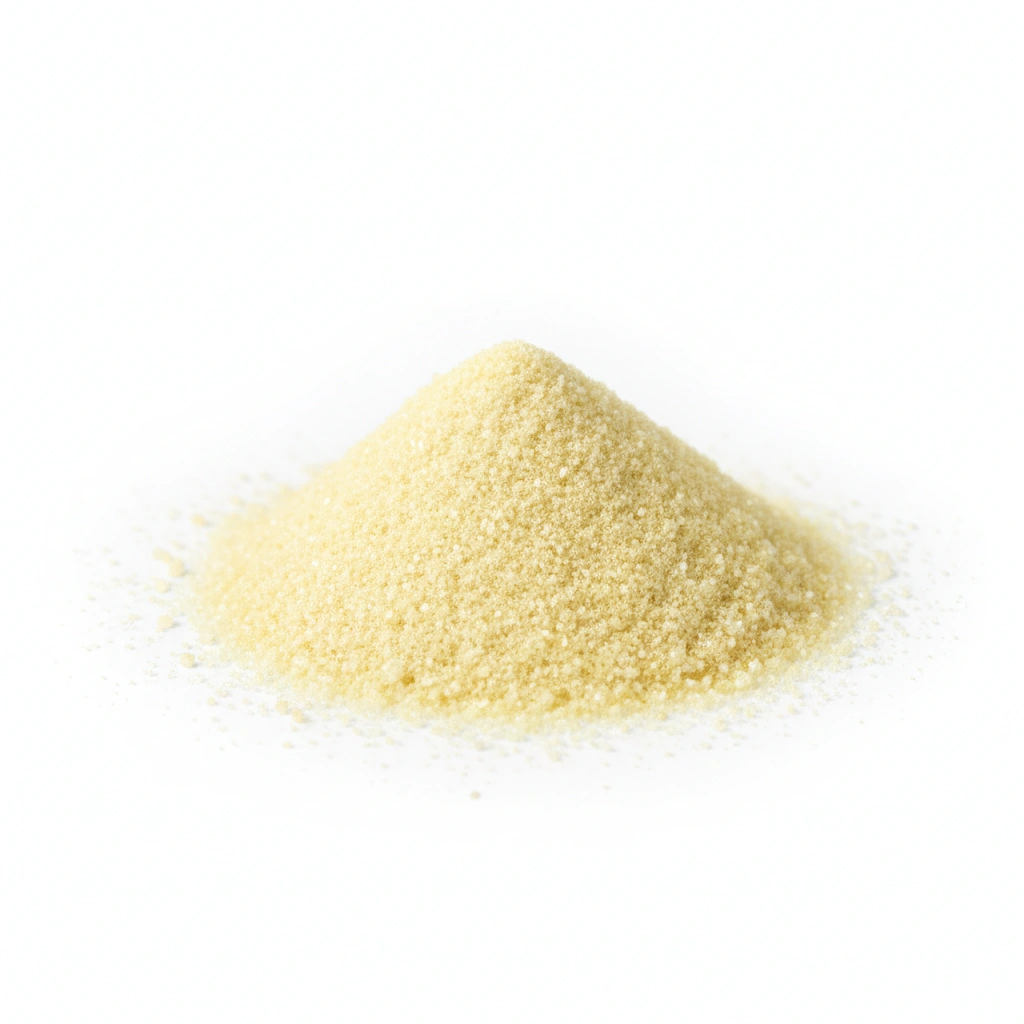
Product Image: For visualization purposes only. All ingredients are supplied as raw materials in bulk form. Available in Other Dietary Claim Ingredient form.
Alpha Lipoic Acid (ALA) is a unique, amphipathic antioxidant and metabolic coenzyme essential for cellular energy production and free radical scavenging. It supports healthy glucose metabolism, nerve function, and regenerates other vital antioxidants like Vitamin C and E, making it a versatile ingredient for comprehensive wellness and anti-aging formulations.
Alpha Lipoic Acid (ALA) is a naturally occurring disulfide compound found in every cell of the human body, playing a crucial role in cellular energy production. It functions as a coenzyme in the mitochondria, specifically within the pyruvate dehydrogenase complex and alpha-ketoglutarate dehydrogenase complex, which are vital for the Krebs cycle and ATP synthesis. ALA is unique due to its amphipathic nature, meaning it is both water-soluble and fat-soluble. This allows it to exert its effects in various cellular environments, including cell membranes and the aqueous cytosol, distinguishing it from other antioxidants like Vitamin C (water-soluble) or Vitamin E (fat-soluble). While the body synthesizes ALA, dietary sources such as red meat, organ meats (liver, kidney), broccoli, spinach, and yeast also contribute to its presence. However, the amount obtained from diet is generally insufficient to achieve the therapeutic levels often explored in scientific research, making supplementation a common approach for leveraging its broad-spectrum benefits. Its distinct chemical structure, featuring a dithiol ring, is central to its powerful antioxidant properties and metabolic functions, making it a subject of extensive scientific inquiry in various health contexts.
The primary health benefits of Alpha Lipoic Acid stem from its potent antioxidant capabilities and its role in metabolic processes. ALA directly scavenges free radicals, such as hydroxyl radicals and singlet oxygen, and also regenerates other antioxidants, including Vitamin C, Vitamin E, glutathione, and coenzyme Q10, thereby amplifying the body's overall antioxidant defense system. This regeneration mechanism is critical for maintaining cellular integrity and reducing oxidative stress, a key contributor to various chronic conditions. Furthermore, ALA is a vital cofactor for mitochondrial enzymes involved in glucose metabolism. Research indicates that ALA can improve insulin sensitivity and glucose uptake by modulating signaling pathways like the PI3K/Akt pathway, as demonstrated in various in vitro and in vivo studies. Its ability to chelate metal ions, such as iron and copper, further contributes to its protective effects by preventing pro-oxidant reactions. The R-lipoic acid isomer is considered the biologically active form, naturally synthesized in the body, and generally exhibits superior bioavailability and efficacy compared to the synthetic S-lipoic acid or racemic mixtures, although both forms offer benefits.
Alpha Lipoic Acid finds widespread application in supplement formulations targeting metabolic support, nerve health, and antioxidant defense. It is commonly utilized in capsules or tablets, often in dosages ranging from 300 mg to 600 mg daily, with some clinical studies exploring higher doses for specific conditions. Quality considerations are paramount, with particular emphasis on sourcing the R-alpha lipoic acid isomer, which, despite its higher cost and stability challenges, is recognized for its superior biological activity. Manufacturers often employ stabilization technologies for the R-ALA form to enhance product integrity and shelf-life. Scientific research has extensively investigated ALA's role in supporting healthy nerve function, particularly in studies related to diabetic neuropathy, where it has shown promise in improving symptoms like burning, numbness, and pain, as evidenced by meta-analyses of randomized controlled trials. Additionally, its influence on endothelial function and lipid profiles supports its potential in cardiovascular health. Emerging research also explores its neuroprotective properties and its role in detoxification pathways, solidifying ALA's reputation as a versatile and scientifically backed ingredient in the nutraceutical industry.
Discover more ingredients that complement your selection