In Stock
JCI-336
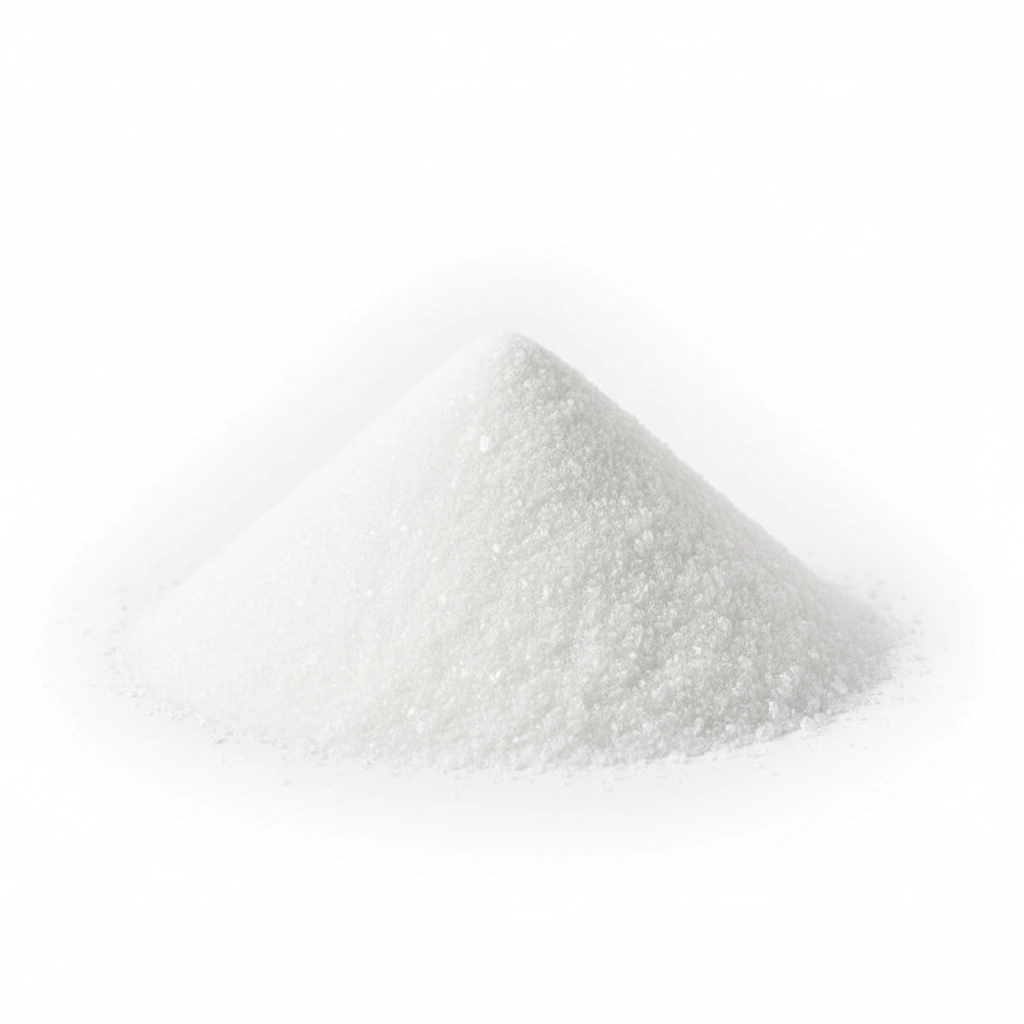
Product Image: For visualization purposes only. All ingredients are supplied as raw materials in bulk form. Available in Filler Ingredient form.
Sodium benzoate is a highly effective, water-soluble antimicrobial preservative widely used in acidic food, beverage, and supplement formulations. It safeguards product integrity by inhibiting the growth of yeasts, molds, and certain bacteria, thereby extending shelf life and ensuring consumer safety. This white, crystalline powder is an essential ingredient for maintaining the quality and stability of liquid and semi-liquid products.
Sodium benzoate is a widely utilized chemical compound, specifically the sodium salt of benzoic acid, renowned for its efficacy as a preservative. While benzoic acid occurs naturally in various plant species, notably cranberries, prunes, and apples, sodium benzoate is typically synthesized for commercial applications to ensure purity and consistent quality. It presents as a white, odorless, crystalline powder, highly soluble in water, making it a versatile additive in liquid and semi-liquid formulations. Its primary characteristic lies in its potent antimicrobial activity, particularly effective against yeast, mold, and certain bacteria, which it exerts most effectively in acidic environments with a pH below 3.6. This pH-dependent mechanism involves the un-dissociated benzoic acid penetrating microbial cell membranes, disrupting cellular functions and inhibiting enzymatic activity, thereby preventing spoilage and extending product shelf life. Its widespread acceptance stems from its established safety profile when used within regulatory limits and its broad-spectrum antimicrobial properties.
The principal "benefit" of sodium benzoate, from a consumer perspective, is its critical role in ensuring the microbiological stability and safety of various products, including dietary supplements, foods, and beverages. By inhibiting the growth of detrimental microorganisms like molds, yeasts, and bacteria, it effectively prevents spoilage, maintains product quality, and safeguards against potential foodborne illnesses. This mechanism of action relies on the compound's ability to interfere with microbial metabolic processes, primarily through intracellular acidification, which impairs glucose uptake and ATP production. While not a nutrient or a compound consumed for direct physiological health benefits, its function as a preservative indirectly contributes to public health by extending the viability of perishable goods and reducing the risk of microbial contamination. Research has consistently affirmed its efficacy in this role, with studies demonstrating its ability to significantly reduce microbial load in various matrices, thereby preserving the integrity and safety of consumer products throughout their intended shelf life.
In supplement formulations, sodium benzoate is primarily employed as an antimicrobial preservative in liquid, gel, or emulsion-based products where water activity and pH levels are conducive to microbial growth. Its application ensures the stability and safety of products such as liquid vitamins, protein shakes, and functional beverages, preventing degradation and contamination over time. Quality considerations for sodium benzoate are paramount, requiring adherence to stringent specifications such as those outlined by the Food Chemicals Codex (FCC) or United States Pharmacopeia (USP) to guarantee purity and absence of contaminants. Extensive scientific research has explored its safety profile, including studies on its metabolism and excretion in humans. The compound is readily absorbed and conjugated with glycine in the liver to form hippuric acid, which is then excreted via urine, a process well-documented in toxicological studies. A key area of research involves its potential interaction with ascorbic acid (Vitamin C) in certain conditions, which can lead to the formation of benzene, a known carcinogen. Reputable manufacturers mitigate this risk through careful formulation, pH control, and avoiding co-formulation in environments that promote benzene formation, ensuring product safety and regulatory compliance.
Discover more ingredients that complement your selection