In Stock
HFC000P
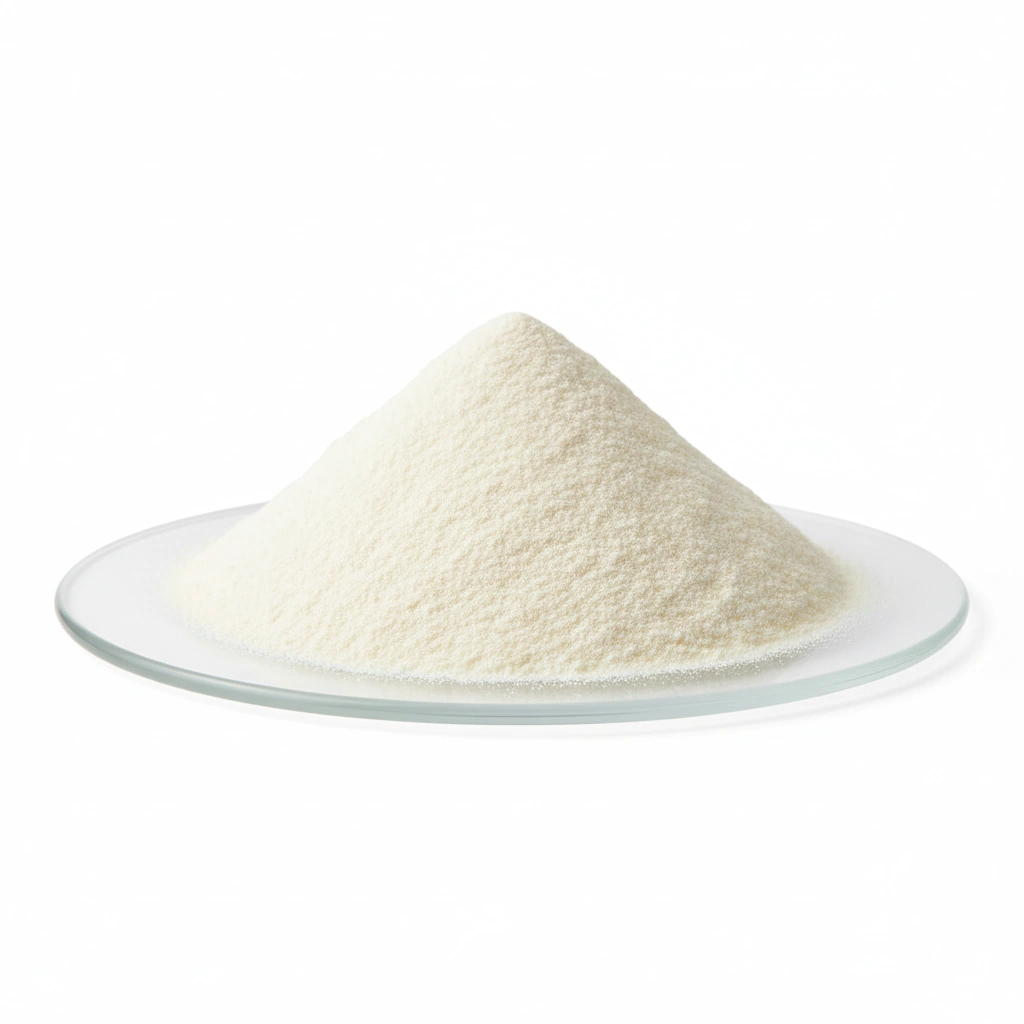
Product Image: For visualization purposes only. All ingredients are supplied as raw materials in bulk form. Available in Botanical Ingredient form.
Cranberry Extract (Vaccinium macrocarpon), standardized to 30% Proanthocyanidins (PACs), is a potent botanical ingredient renowned for its targeted support of urinary tract health. Its unique A-type PACs inhibit bacterial adhesion, while a rich profile of polyphenols provides significant antioxidant benefits, making it an essential component for preventative health formulations.
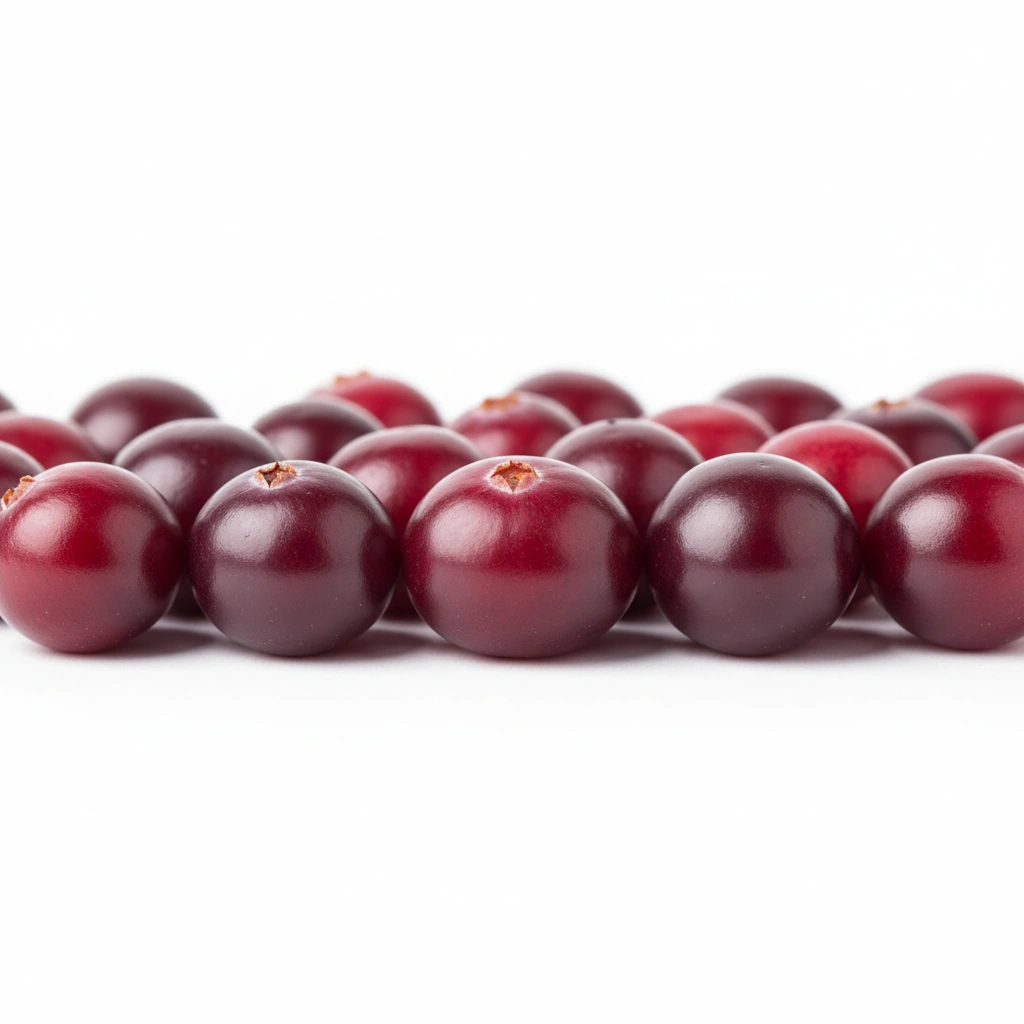
Cranberry Extract, derived from the Vaccinium macrocarpon berry, is a highly valued botanical ingredient in the supplement industry, primarily recognized for its potent health-promoting properties. This specific extract is standardized to contain 30% Proanthocyanidins (PACs), a crucial quality marker ensuring consistent efficacy and a concentrated profile of the berry's most active compounds. Native to North America, cranberries have a long history of traditional use for various ailments, with modern science now substantiating many of these applications. The extraction process focuses on isolating and concentrating the beneficial phytochemicals, moving beyond simple whole-fruit powders to deliver a targeted and scientifically validated ingredient for specialized health formulations. This standardization to a specific PAC content provides manufacturers with a reliable and verifiable active component, distinguishing it from generic cranberry products.
Discover more ingredients that complement your selection