In Stock
DMS000P
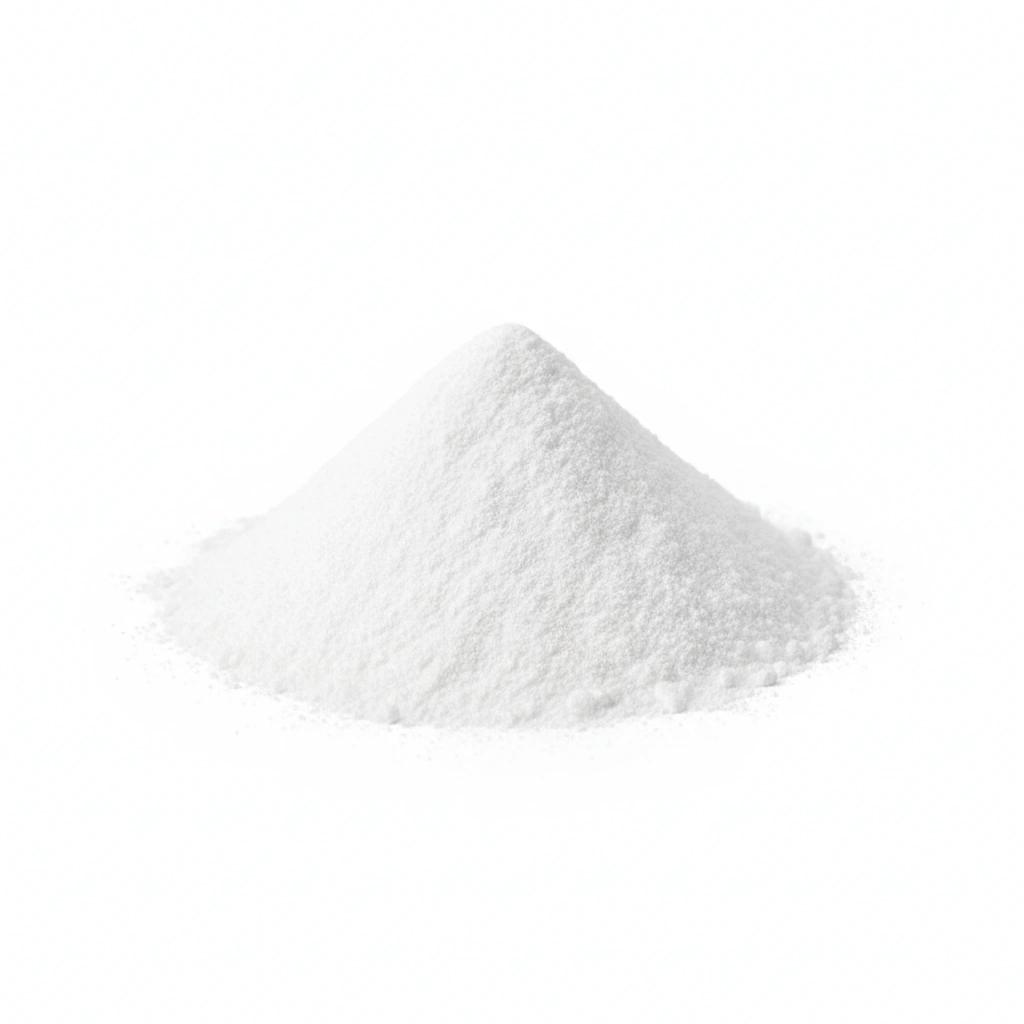
Product Image: For visualization purposes only. All ingredients are supplied as raw materials in bulk form. Available in NON-FOOD Ingredient form.
Carbomer {Carbopol® 940} is a high-performance synthetic polyacrylate polymer supplied as a white powder, recognized for its exceptional rheological properties. It functions as a highly efficient thickening, gelling, suspending, and emulsifying agent, crucial for creating stable and aesthetically pleasing cosmetic and personal care formulations. This versatile ingredient significantly enhances product texture, consistency, and stability at low concentrations, making it invaluable for a wide range of topical applications.
Carbomer, notably exemplified by Carbopol® 940, represents a class of synthetic, high molecular weight cross-linked polyacrylate polymers. Sourced from the polymerization of acrylic acid, this material is supplied as a fine, white, fluffy powder. Its primary characteristic lies in its exceptional ability to swell significantly and form clear gels upon neutralization, making it an indispensable rheology modifier in various topical formulations. Unlike many natural gums, carbomers offer superior clarity and consistency, providing formulators with precise control over viscosity and texture. Its inert nature and compatibility with a wide range of cosmetic and pharmaceutical ingredients underscore its versatility, establishing it as a foundational component in the development of stable and aesthetically pleasing personal care products. The carefully controlled cross-linking density in Carbopol® 940 ensures optimal performance, delivering high viscosity and excellent clarity even at low concentrations, a hallmark of its efficiency and efficacy in cosmetic science. This polymer's unique structure allows it to interact with water molecules, leading to the formation of a highly viscous network upon pH adjustment, a process critical for its functional attributes.
Carbomer's functional benefits are rooted in its sophisticated polymeric structure, which allows it to act as a highly efficient thickening, suspending, and emulsifying agent. Upon neutralization with a base (e.g., triethanolamine or NaOH), the carboxylic acid groups along the polymer chain deprotonate, leading to electrostatic repulsion and uncoiling of the polymer. This expansion significantly increases the hydrodynamic volume, resulting in a dramatic rise in viscosity and the formation of a stable gel or thickened system. Research in polymer rheology consistently demonstrates that carbomers provide excellent yield value and shear-thinning properties, which are crucial for suspending insoluble ingredients without sedimentation and for achieving desirable spreadability and skin feel in finished products. Furthermore, its ability to stabilize oil-in-water emulsions by increasing the viscosity of the aqueous phase and forming a protective barrier around oil droplets is well-documented in cosmetic formulation science, contributing to product integrity and shelf-life. This mechanism ensures uniform distribution of active ingredients and prevents phase separation, a critical factor for product efficacy and consumer satisfaction.
The application of Carbomer {Carbopol® 940} spans a broad spectrum of cosmetic and personal care products, including clear gels, creams, lotions, serums, and toothpastes. Its selection in formulations is often driven by its capacity to enhance product elegance, stability, and delivery of active components. Quality control measures for carbomers focus on parameters such as viscosity, pH, residual monomer content, and heavy metal impurities, ensuring compliance with strict regulatory standards for topical use. Scientific literature, including studies published in journals like the *International Journal of Pharmaceutics* and *Cosmetics*, frequently details the optimization of carbomer concentrations and neutralization techniques to achieve specific rheological profiles for various product types. For instance, research has explored its role in controlled release systems for topical drug delivery, leveraging its gelling properties to extend contact time with the skin. Its excellent safety profile, characterized by low irritation and sensitization potential upon topical application, further solidifies its position as a preferred rheology modifier in dermatological and cosmetic preparations globally, reflecting decades of safe and effective use in the industry.
Discover more ingredients that complement your selection