In Stock
JCI-254
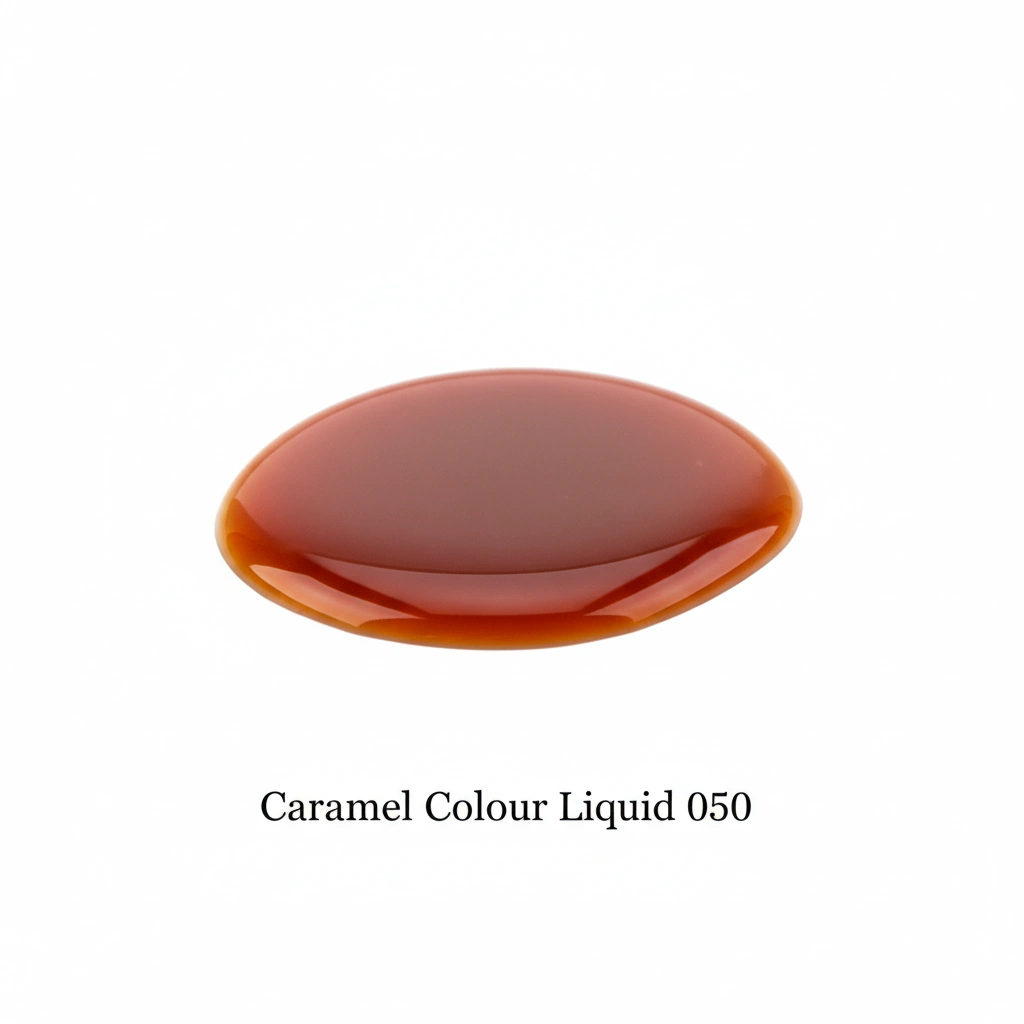
Product Image: For visualization purposes only. All ingredients are supplied as raw materials in bulk form. Available in Color Ingredient form.
Caramel Colour Liquid 050 is a versatile, natural-source food colorant derived from controlled carbohydrate caramelization, offering stable and consistent brown hues. Ideal for enhancing the visual appeal of a wide array of food and beverage applications, it ensures product integrity and consumer satisfaction with its excellent solubility and regulatory compliance.
Caramel Colour, specifically in its Liquid 050 form, is a widely utilized and versatile food additive derived from the controlled heat treatment of carbohydrates. This process, known as caramelization, involves heating edible sugars like glucose, fructose, or sucrose under carefully controlled conditions, leading to a complex mixture of brown-pigmented compounds. Unlike simple sugar browning, industrial caramel color production is optimized to create stable, consistent colorants. The "050" designation often refers to specific color strength or processing characteristics within a manufacturer's range, indicating a highly concentrated and robust liquid form. It is one of the oldest and most widely used food colorings, recognized for its ability to impart a stable and appealing brown hue, ranging from light tan to dark brown, depending on the concentration and type. Its global acceptance stems from its natural-source origin and broad applicability across diverse food and beverage categories, making it an indispensable ingredient for visual product appeal.
The formation of Caramel Colour involves intricate chemical reactions, primarily non-enzymatic browning processes such as the Maillard reaction and caramelization, yielding a complex mixture of polymers with varying molecular weights. These polymers are responsible for its characteristic brown color and excellent stability across a wide pH range, a critical factor for its use in acidic beverages and other challenging matrices. Research into the chemical structure reveals a heterogeneous composition including dianhydrides, oligosaccharides, and various nitrogen-containing heterocyclic compounds, depending on the specific class of caramel color (I, II, III, or IV). The Liquid 050 variant is typically formulated for optimal dispersion and integration into liquid systems, ensuring homogenous coloration without precipitation or off-notes. While primarily a colorant, some caramel colors can impart subtle flavor notes, adding depth to products like colas and baked goods, though its primary function remains aesthetic enhancement. Its robust nature against light and heat degradation is a key advantage in maintaining product integrity throughout shelf life.
In supplement and food formulations, Caramel Colour Liquid 050 is valued for its consistency, ease of use, and regulatory compliance. The production adheres to stringent quality controls to ensure purity and identity, meeting specifications set by global regulatory bodies such as the U.S. Food and Drug Administration (FDA) and the European Food Safety Authority (EFSA). These agencies rigorously assess the safety of caramel colors, including detailed toxicological studies and exposure assessments, confirming their suitability for consumption within approved limits. For instance, Class IV caramel color, produced with ammonium sulfite compounds, has specific regulatory considerations regarding 4-methylimidazole (4-MeI) levels, which are carefully monitored and kept below established safe thresholds. This liquid form offers excellent solubility and dispersibility, simplifying integration into beverages, sauces, confectionery, and savory applications. Formulators rely on high-quality caramel color to achieve desired visual appeal, which significantly influences consumer perception and product acceptance.
Discover more ingredients that complement your selection