Low Stock
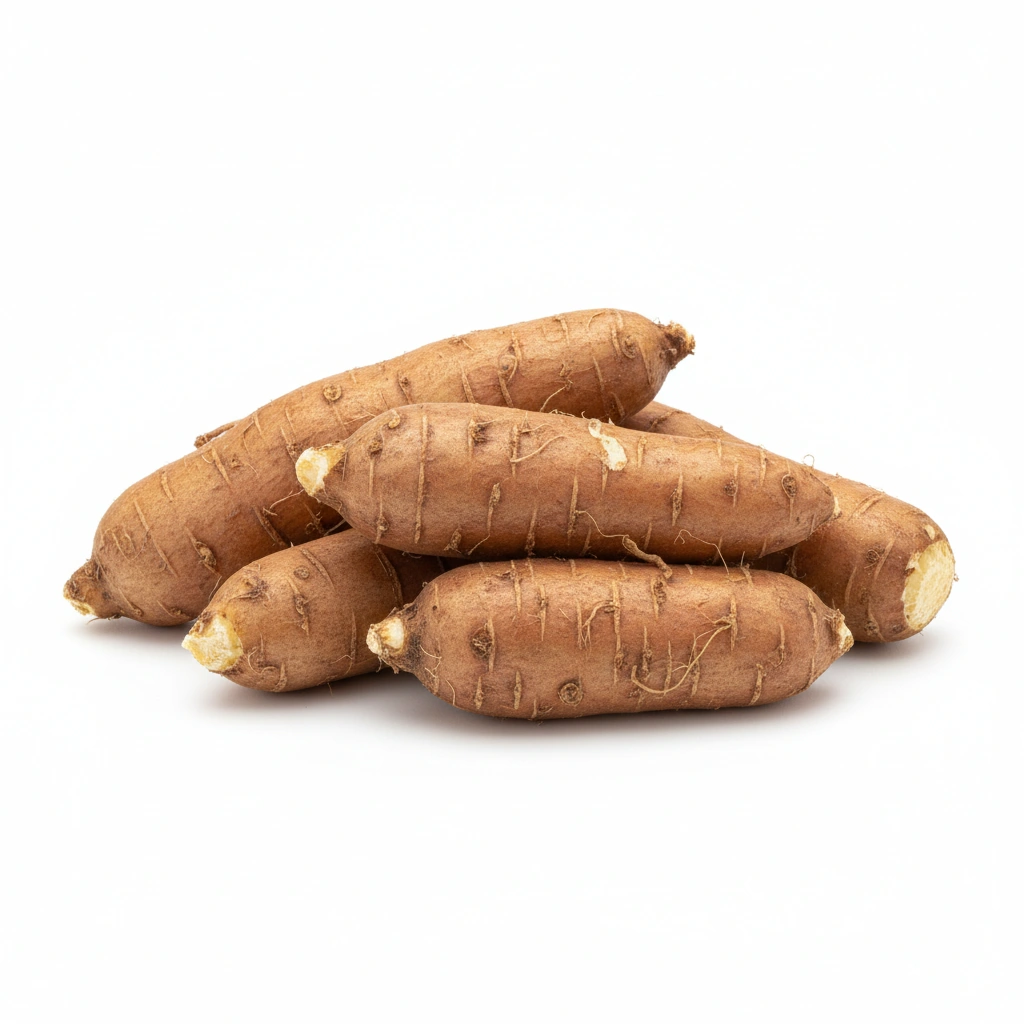

Product Image: For visualization purposes only. All ingredients are supplied as raw materials in bulk form. Available in Botanical Ingredient form.
Corydalis Powder, derived from the revered Corydalis yanhusuo rhizome, is a potent botanical known for its traditional and scientifically-backed pain-modulating and anti-inflammatory properties. Rich in isoquinoline alkaloids like tetrahydropalmatine (THP), it offers a multi-targeted approach to discomfort, making it ideal for formulations supporting natural pain relief and relaxation.
Corydalis yanhusuo, a revered herb in Traditional Chinese Medicine (TCM), is derived from the rhizome of the Corydalis plant, primarily found in Siberia, Northern China, and Japan. This botanical ingredient is recognized for its historical use in alleviating various forms of discomfort and promoting overall well-being. The rhizome, typically processed into a fine powder, possesses a distinct earthy aroma and a slightly bitter taste. Its historical application dates back centuries, where it was extensively documented in ancient pharmacopoeias for its analgesic and anti-inflammatory properties. Modern supplement formulations incorporate Corydalis powder as a natural ingredient targeting pain management and relaxation. The careful selection and processing of the rhizome are crucial to preserve its intricate phytochemical profile, ensuring the integrity and efficacy of the final product for diverse health applications.
The therapeutic efficacy of Corydalis powder is primarily attributed to its rich array of isoquinoline alkaloids, with tetrahydropalmatine (THP) and dehydrocorybulbine (DHCB) being the most prominent. Scientific research indicates that THP exerts its analgesic effects through modulating dopamine receptors (D1, D2, D3), alpha-adrenergic receptors, and potentially opioid receptors, offering a multi-targeted approach to pain relief. DHCB, another key alkaloid, has been shown in preclinical studies to interact with mu-opioid receptors, contributing to its pain-modulating properties without the significant addictive potential associated with conventional opioids. This unique mechanism of action makes Corydalis a compelling ingredient for addressing neuropathic, inflammatory, and acute pain conditions. Studies, such as those published in "Current Biology," highlight THP's ability to alleviate chronic pain by targeting different pathways than traditional painkillers, suggesting a broad spectrum of analgesic activity.
Corydalis rhizome powder is increasingly utilized in dietary supplement formulations, often incorporated into capsules, tablets, or standalone bulk powders for versatile consumer application. When formulating with Corydalis, quality considerations are paramount, including rigorous testing for alkaloid content standardization, heavy metals, and microbial purity to ensure product safety and efficacy. Research has consistently demonstrated the potential of Corydalis alkaloids. For instance, a study in "Pain" journal investigated THP's role in attenuating pain-related behaviors in rodent models, indicating its therapeutic promise. Further clinical investigations are exploring its role in managing chronic pain conditions, offering a natural adjunct to conventional therapies. The extract's adaptogenic qualities also suggest applications in stress management and mood support, broadening its appeal beyond just pain relief.
Discover more ingredients that complement your selection