In Stock
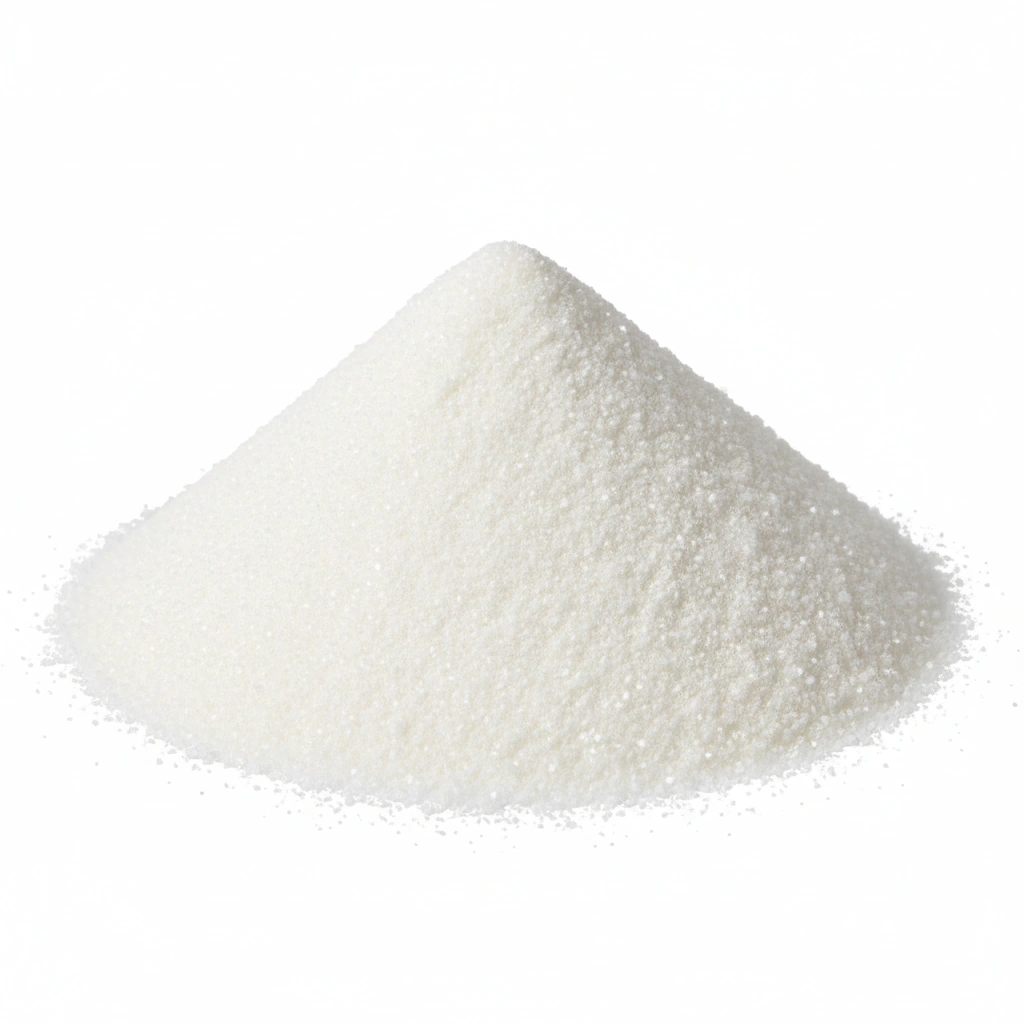
Product Image: For visualization purposes only. All ingredients are supplied as raw materials in bulk form. Available in Nutrient Ingredient form.
D-Aspartic Acid (DAA) is a naturally occurring amino acid recognized for its specialized role in neuroendocrine regulation. It is a popular ingredient in sports nutrition and men's health supplements, primarily studied for its potential to support natural testosterone production and modulate luteinizing hormone levels, contributing to overall vitality and muscle development.
D-Aspartic Acid (DAA) is a non-essential amino acid, naturally occurring in the body and certain foods. It's distinct from L-aspartic acid, its L-isomer, which is a common proteinogenic amino acid. DAA plays a specialized role in the neuroendocrine system, particularly in the pituitary gland, hypothalamus, and testes. Its presence in these tissues suggests a regulatory function, influencing hormone synthesis and release. DAA is synthesized endogenously from L-aspartate by aspartate racemase. It's found in significant concentrations in the brain and endocrine glands, indicating its importance in neurological and hormonal pathways. This amino acid is a key player in the intricate biochemical signaling cascades that govern physiological processes related to vitality and well-being. Its unique stereoisomeric structure is crucial for its distinct biological activities, setting it apart from its more abundant L-form counterpart.
DAA is primarily recognized for its potential role in modulating hormone levels, specifically luteinizing hormone (LH) and testosterone. Research suggests that DAA can accumulate in the testes and stimulate the production of steroidogenic acute regulatory (StAR) protein, a critical component in the initial steps of steroidogenesis. This mechanism is thought to lead to increased testosterone synthesis. Furthermore, DAA may act in the hypothalamus to promote the release of gonadotropin-releasing hormone (GnRH), which in turn stimulates LH and follicle-stimulating hormone (FSH) secretion from the pituitary gland. Studies, such as those published in "Reproductive Biology and Endocrinology," have explored DAA's impact on male reproductive health and muscle anabolism, indicating its potential as a natural ergogenic aid. Beyond hormonal effects, DAA has been investigated for its involvement in neurotransmission, acting as a neuromodulator in the brain, potentially influencing cognitive functions and mood, though this area requires further extensive research.
D-Aspartic Acid is widely utilized in sports nutrition and men's health formulations, often incorporated into testosterone boosters or vitality supplements. It is typically supplied as a white, crystalline powder, offering excellent solubility and ease of integration into various dosage forms, including capsules, tablets, and powdered drink mixes. For optimal efficacy and safety, sourcing high-purity DAA is paramount, with manufacturers often providing certificates of analysis verifying its identity, purity, and absence of contaminants. Clinical trials on DAA have yielded mixed results; some studies, like those by Topo et al. (2009), demonstrated significant increases in testosterone levels in infertile and healthy men, while others have shown less pronounced effects, particularly in resistance-trained individuals with already healthy testosterone levels. This variability underscores the importance of individual physiological differences and dosage considerations. Ongoing research continues to refine our understanding of DAA's optimal application and its long-term effects on endocrine function and athletic performance.