In Stock

COR040S
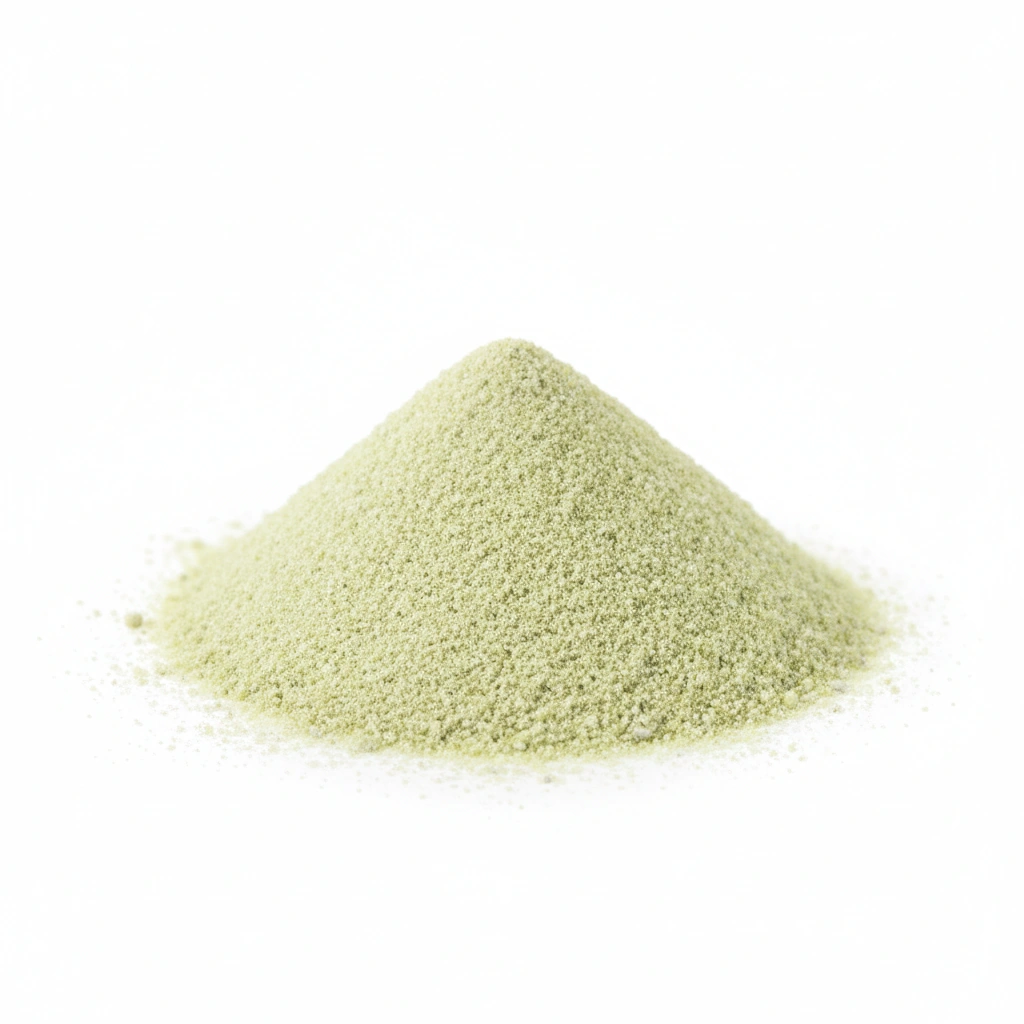
Product Image: For visualization purposes only. All ingredients are supplied as raw materials in bulk form. Available in Vitamin or Element Ingredient form.
Ferrous Gluconate is a highly bioavailable and well-tolerated form of iron crucial for oxygen transport, energy metabolism, and immune health. This essential mineral effectively combats iron deficiency and anemia, supporting vital physiological functions without significant gastrointestinal discomfort. It is an ideal choice for replenishing iron stores and enhancing overall vitality.
Ferrous gluconate is a highly bioavailable form of iron, essential for numerous physiological processes. Derived from gluconic acid, an organic compound, and ferrous iron, this salt presents as a fine, yellowish-gray or pale greenish-yellow powder, readily soluble in water. Its excellent solubility contributes to its enhanced absorption profile compared to other iron salts, making it a preferred choice in dietary supplements and food fortification. Iron, as a vital trace mineral, is indispensable for the synthesis of hemoglobin, the protein in red blood cells responsible for oxygen transport from the lungs to tissues throughout the body. It also plays a crucial role in myoglobin formation, facilitating oxygen storage in muscle cells. Historically, iron deficiency, known as anemia, has been recognized and treated with various iron compounds, with ferrous gluconate emerging as a well-tolerated and effective option due to its gastric tolerability and efficacy in replenishing iron stores. This form is particularly valued for its reduced incidence of gastrointestinal side effects often associated with other iron supplements.
The primary health benefit of ferrous gluconate supplementation is its efficacy in preventing and treating iron deficiency and iron deficiency anemia. Iron is a key component of various enzymes involved in energy metabolism, DNA synthesis, and cellular respiration. For instance, it is a cofactor for cytochromes, which are central to the electron transport chain, driving ATP production. Research published in journals like *Blood* has demonstrated the effectiveness of ferrous gluconate in improving hemoglobin levels and ferritin stores in iron-deficient individuals, often with fewer adverse effects than ferrous sulfate. Beyond oxygen transport, iron contributes significantly to immune function, supporting the proliferation and maturation of immune cells. It is also involved in neurological development and cognitive function, with studies indicating that iron deficiency can impair learning and memory. The gluconate moiety itself, while primarily serving as a carrier, may contribute to the overall tolerability by forming a complex that is less irritating to the gastric mucosa, facilitating smoother absorption in the duodenum and proximal jejunum.
Ferrous gluconate is widely applied in nutritional supplements, particularly those targeting pregnant women, menstruating individuals, infants, children, athletes, and vegans, all of whom are at higher risk for iron deficiency. It is commonly found in multivitamin/mineral formulations, standalone iron supplements, and pediatric drops. Quality considerations for ferrous gluconate include ensuring high purity, low heavy metal content, and consistent particle size for optimal formulation and bioavailability. Manufacturers often adhere to monographs from pharmacopeias like USP or EP to guarantee product integrity. Clinical studies, such as a meta-analysis in the *Cochrane Database of Systematic Reviews*, consistently support the use of oral iron supplementation for iron deficiency anemia, with ferrous gluconate often highlighted for its favorable balance of efficacy and tolerability. Evidence suggests that daily supplementation with ferrous gluconate can effectively increase hemoglobin concentrations and improve iron status markers, contributing to enhanced energy levels and reduced fatigue. Its use in liquid formulations is also prevalent due to its high solubility, allowing for flexible dosing and improved compliance.
Discover more ingredients that complement your selection