In Stock
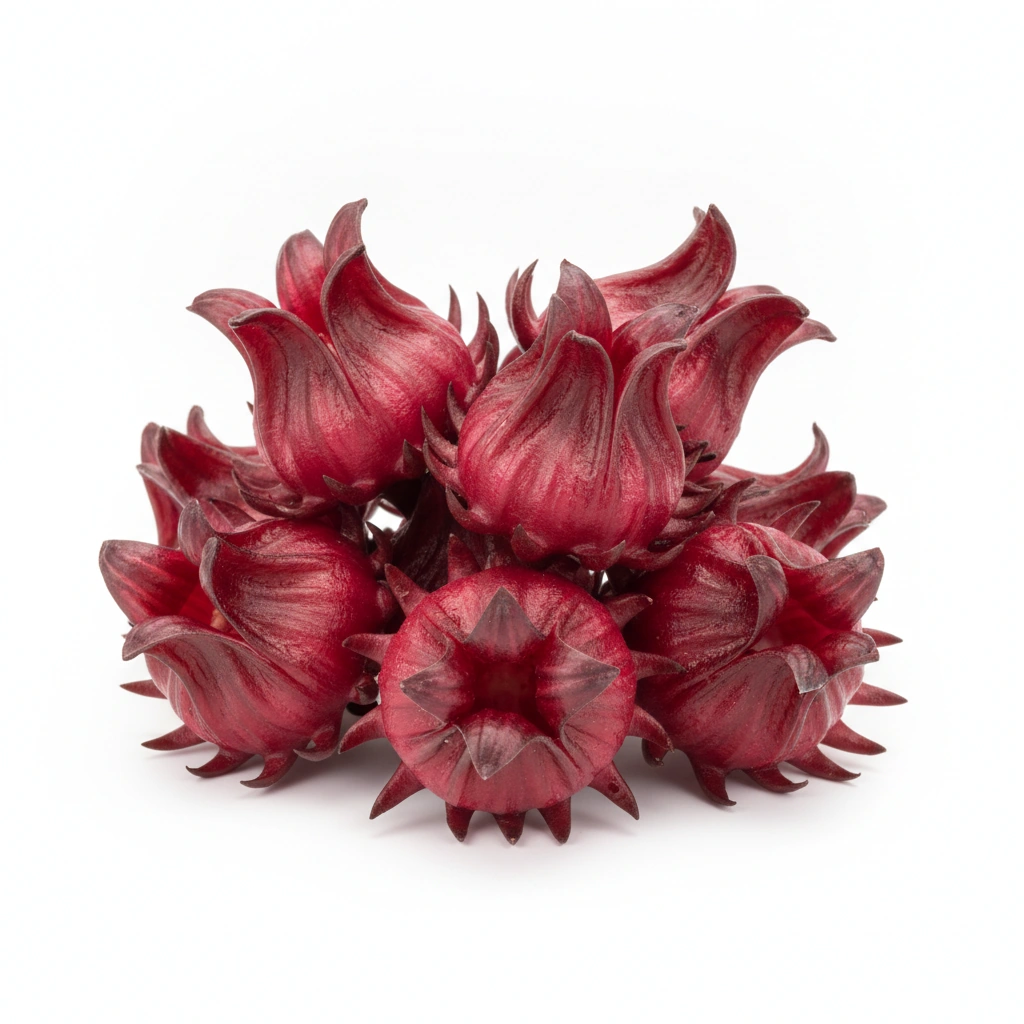
Product Image: For visualization purposes only. All ingredients are supplied as raw materials in bulk form. Available in Specialty Packaging form.
Hibiscus, derived from the vibrant *Hibiscus sabdariffa* calyces, is a powerhouse of anthocyanins and phenolic acids, celebrated for its robust antioxidant properties and significant cardiovascular benefits. It is widely recognized for its ability to support healthy blood pressure and cholesterol levels, making it a valuable ingredient for promoting overall well-being and metabolic health.
Hibiscus, derived from the vibrant calyces of the *Hibiscus sabdariffa* plant, commonly known as roselle, is a botanical ingredient renowned for its distinctive tart flavor and striking crimson hue. Native to West Africa, it has been cultivated and utilized across tropical and subtropical regions worldwide, including Southeast Asia, Mexico, and the Caribbean, for centuries. Traditionally, hibiscus has been incorporated into various culinary applications, serving as a staple in refreshing beverages, jams, and culinary dishes. Beyond its gastronomic appeal, the plant's rich history in ethnomedicine highlights its perceived health-promoting properties, with ancient texts and indigenous practices documenting its use for supporting overall well-being. The calyces, which are the fleshy, deep red sepals that enclose the flower's fruit, are the primary part of the plant used in supplements and teas, valued for their concentration of beneficial compounds. This botanical powerhouse offers a unique profile that bridges traditional wisdom with modern scientific interest, establishing its role as a versatile and sought-after ingredient in the natural health sector.
The health benefits of hibiscus are primarily attributed to its rich array of bioactive compounds, most notably anthocyanins, phenolic acids, and flavonoids. Anthocyanins, such as delphinidin-3-sambubioside and cyanidin-3-sambubioside, are powerful pigments responsible for hibiscus's deep red color and potent antioxidant activity. These compounds work by scavenging free radicals, thereby mitigating oxidative stress, a key factor in cellular damage and various chronic conditions. Research has extensively explored hibiscus's role in cardiovascular health, with multiple clinical studies indicating its potential to support healthy blood pressure levels. A meta-analysis published in the *Journal of Hypertension* suggested that regular consumption of hibiscus tea can significantly lower both systolic and diastolic blood pressure in individuals with hypertension. Furthermore, studies have shown its ability to influence lipid metabolism, contributing to the maintenance of healthy cholesterol levels by reducing low-density lipoprotein (LDL) oxidation. Its mild diuretic properties, often attributed to specific organic acids like citric and malic acid, also contribute to its traditional use in fluid balance and kidney support, although further robust human trials are needed to fully elucidate these mechanisms.
In supplement formulations, hibiscus extract or dried calyces are highly versatile, commonly found in teas, capsules, powders, and liquid extracts. Its distinct flavor profile also makes it an excellent natural flavoring agent and colorant in functional beverages and foods. When sourcing hibiscus, emphasis on quality and purity is paramount. Suppliers should ensure the material is free from pesticides, heavy metals, and microbial contaminants, often achieved through rigorous testing and adherence to good manufacturing practices (GMP). Scientific research continues to validate and expand upon the traditional uses of hibiscus. For instance, a study in *Phytomedicine* highlighted its hepatoprotective effects, suggesting it may help protect liver cells from damage due to its antioxidant and anti-inflammatory properties. Other research focuses on its metabolic benefits, including preliminary findings on its potential role in supporting healthy blood sugar management and weight management, likely through modulating digestive enzyme activity and fat absorption. The growing body of evidence underscores hibiscus as a valuable ingredient, offering broad spectrum support for cardiovascular, metabolic, and antioxidant health, making it a compelling addition to a diverse range of health and wellness products.
Discover more ingredients that complement your selection