In Stock
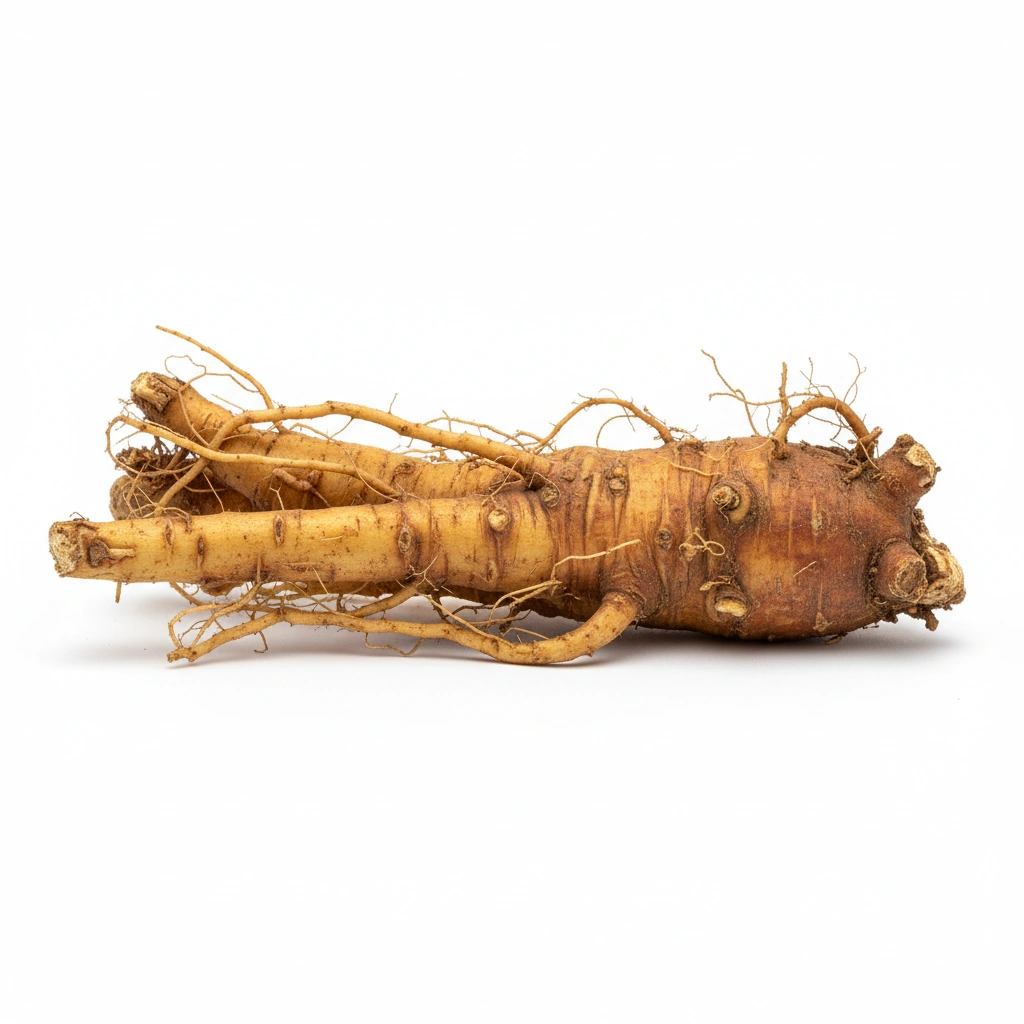
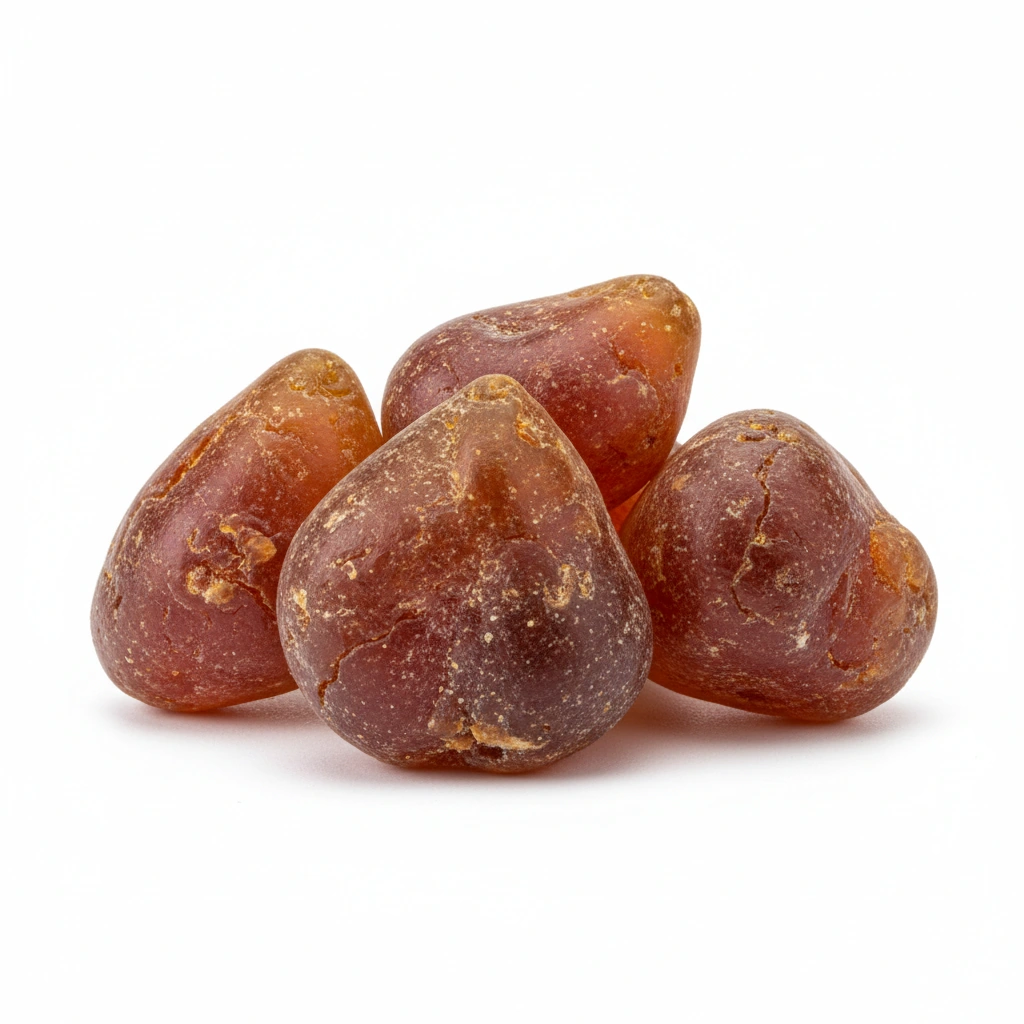
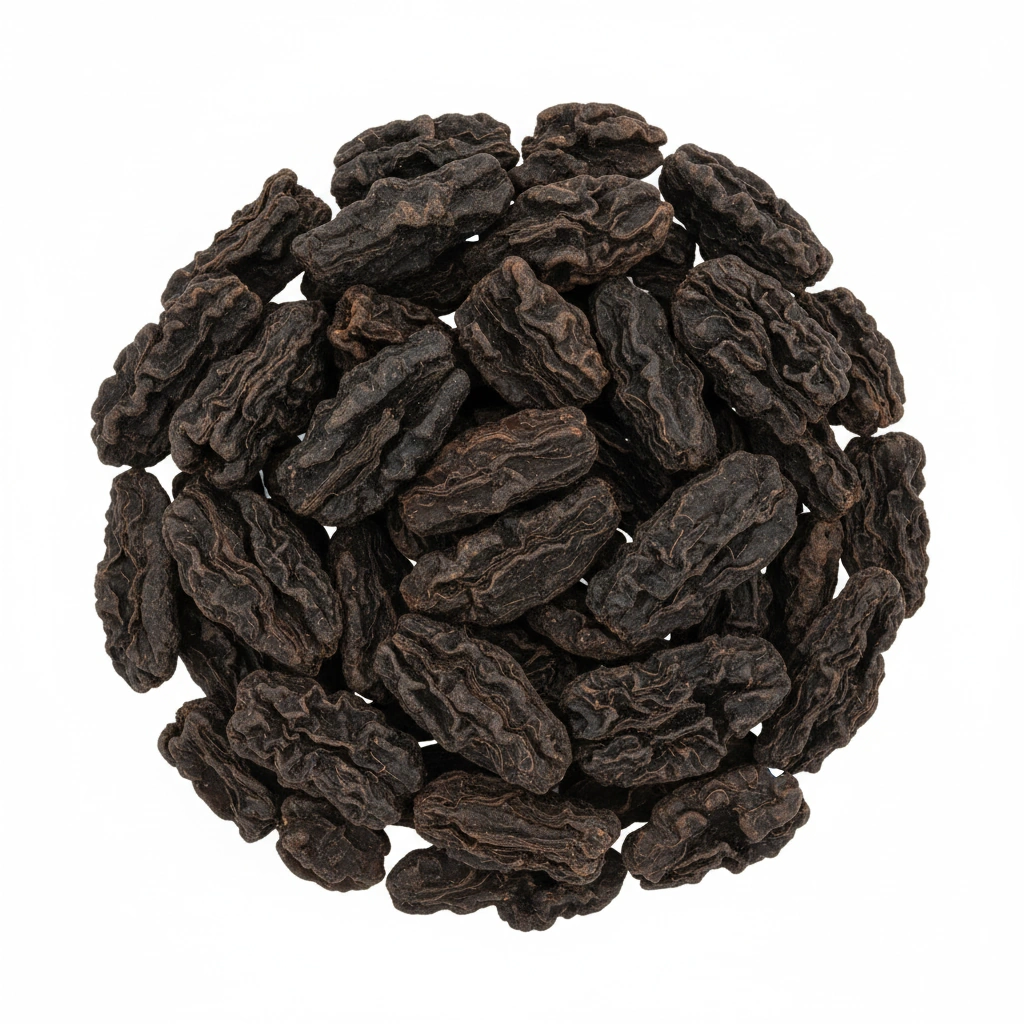
Product Image: For visualization purposes only. All ingredients are supplied as raw materials in bulk form. Available in Botanical Ingredient form.
Guggul powder, derived from the *Commiphora wightii* tree's gum resin, is a revered Ayurvedic botanical known for its active guggulsterones. It supports cardiovascular health by modulating lipid metabolism and offers anti-inflammatory benefits, making it a valuable ingredient for promoting overall metabolic and joint wellness.
Guggul powder, derived from the gum resin of the *Commiphora wightii* tree (also known as *Commiphora mukul*), is a time-honored botanical ingredient deeply rooted in Ayurvedic medicine. This thorny shrub, native to arid regions of India, Bangladesh, and Pakistan, exudes a yellowish, balsamic oleo-gum resin when its bark is incised. For centuries, this resin has been revered in traditional health systems for its purported balancing properties and broad-spectrum wellness support. The raw gum resin is typically processed into a fine powder, making it a versatile ingredient for modern supplement formulations. Its distinctive aromatic profile and complex phytochemical composition contribute to its historical efficacy, making it a subject of significant contemporary scientific interest. The careful harvesting and processing of guggul resin are crucial to preserve its inherent bioactivity, ensuring a high-quality raw material for the nutraceutical industry.
The therapeutic potential of guggul is primarily attributed to a class of triterpenoids known as guggulsterones, specifically E- and Z-guggulsterone. These compounds have been extensively studied for their impact on lipid metabolism and inflammatory pathways. Research suggests that guggulsterones act as antagonists of the farnesoid X receptor (FXR), a nuclear receptor that plays a critical role in bile acid and cholesterol homeostasis. By modulating FXR activity, guggul may help support healthy cholesterol levels already within the normal range, as evidenced in various preclinical and some clinical studies. Furthermore, guggul's anti-inflammatory properties are thought to stem from its ability to inhibit NF-κB activation, a key regulator of immune responses, thereby potentially alleviating discomfort associated with inflammatory processes. Its traditional use also points towards benefits in weight management and metabolic health, an area where ongoing research continues to explore its mechanisms.
Guggul powder is widely incorporated into dietary supplements targeting cardiovascular health, joint support, and weight management. Formulators often seek standardized guggul extracts, typically concentrated to contain a specific percentage of guggulsterones (e.g., 2.5% or 10%), to ensure consistent potency and efficacy. Clinical trials, such as those published in the *Journal of the Association of Physicians of India*, have explored guggul's role in supporting lipid profiles, often noting its tolerability. The quality of guggul powder is paramount, necessitating rigorous testing for purity, identity, and the absence of contaminants like heavy metals and microbial impurities. Sourcing from reputable suppliers who adhere to sustainable harvesting practices and employ advanced extraction techniques is essential. Its versatility allows for inclusion in capsules, tablets, and powdered blends, often synergistically combined with other botanicals like turmeric or triphala for enhanced effects in holistic health formulations.
Discover more ingredients that complement your selection