In Stock
JCI-041
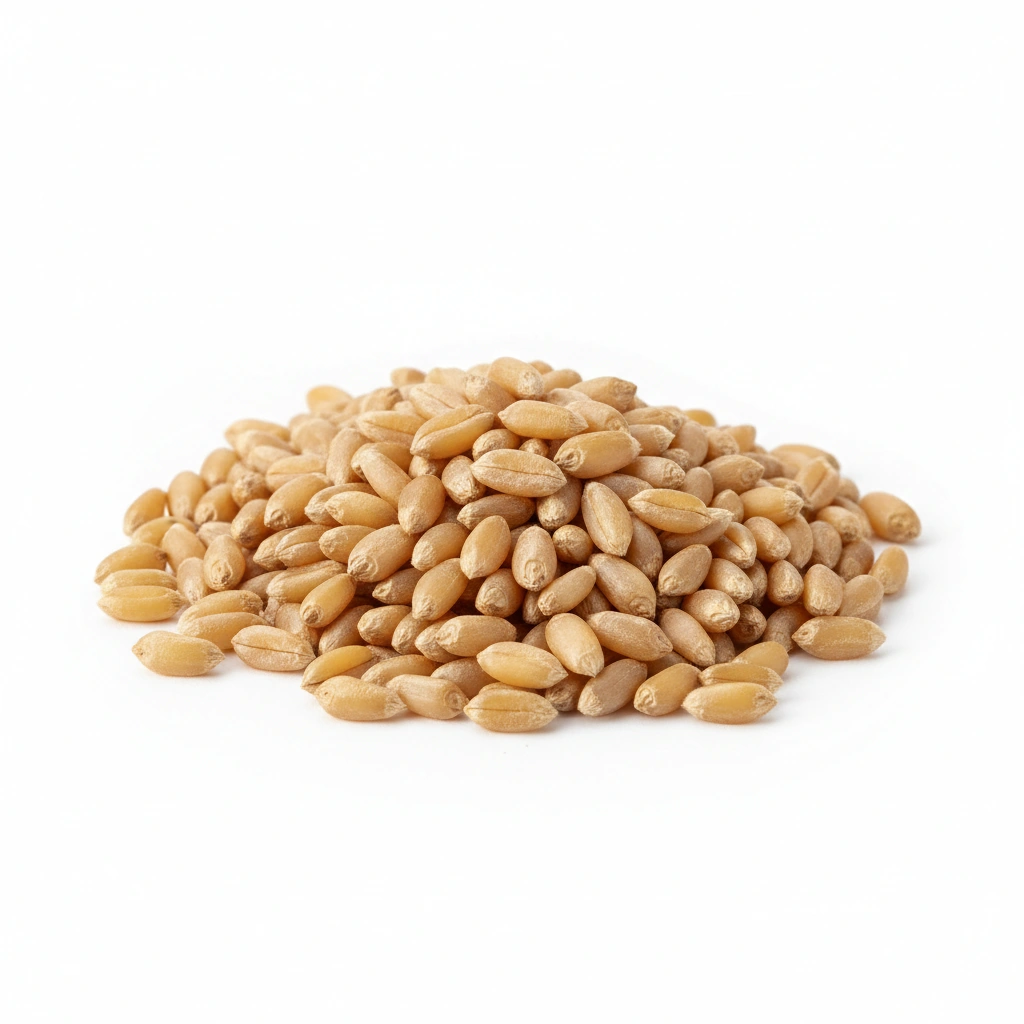
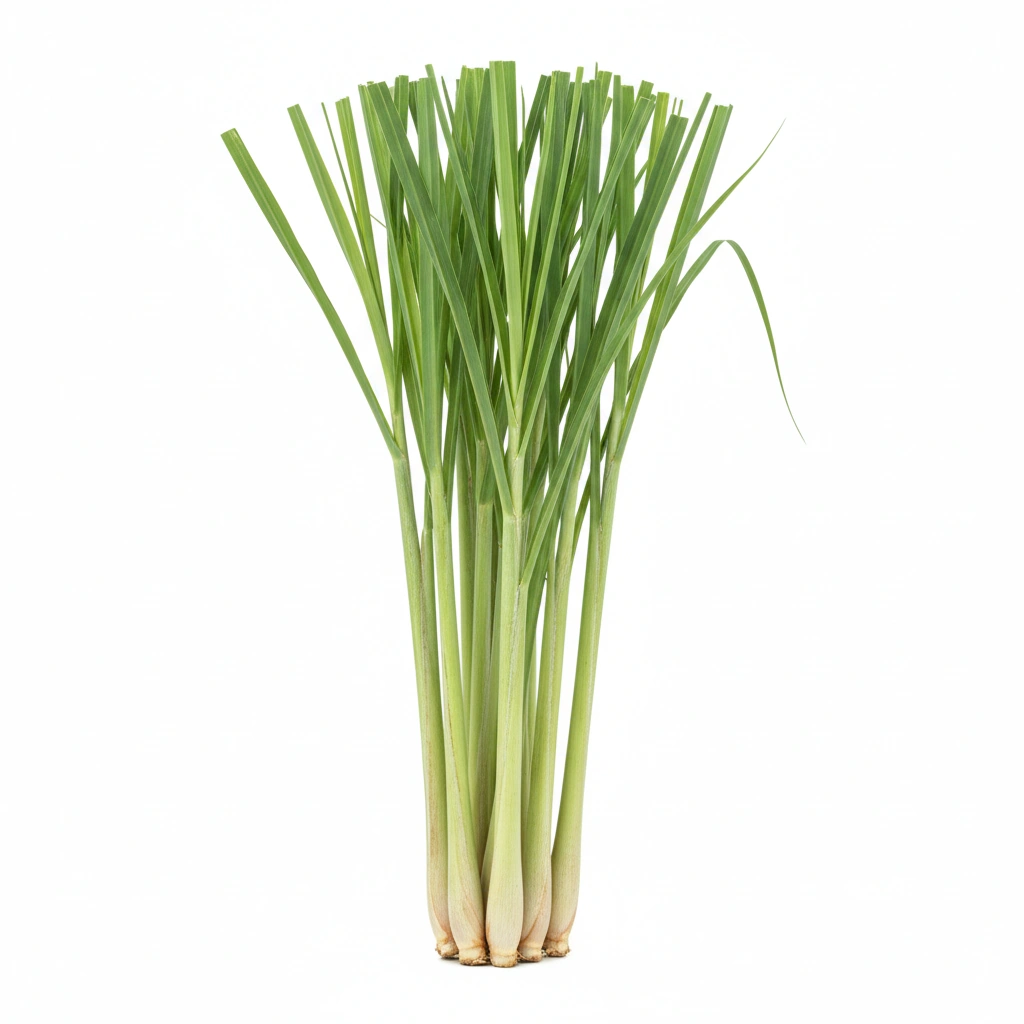
Product Image: For visualization purposes only. All ingredients are supplied as raw materials in bulk form. Available in NON-FOOD Ingredient form.
Azelaic Acid, a naturally occurring dicarboxylic acid found in grains, is renowned for its versatile dermatological benefits. It provides antibacterial, anti-inflammatory, and keratolytic properties, making it highly effective in addressing skin conditions like acne and rosacea while also contributing to improved skin tone and texture.
Azelaic Acid, a naturally occurring dicarboxylic acid, is widely recognized for its diverse therapeutic properties, primarily in dermatological applications. Sourced from common grains such as barley, rye, and wheat, it is also endogenously produced by *Malassezia furfur*, a yeast found on human skin. This C9 saturated dicarboxylic acid possesses a unique chemical structure that underpins its multifaceted biological activities. Its stability and compatibility make it a versatile raw material for various formulations, ranging from topical creams to more advanced delivery systems. The ingredient's foundational characteristics position it as a valuable component for health and beauty products, emphasizing its natural origin and efficacy profile.
The therapeutic efficacy of Azelaic Acid stems from its distinct mechanisms of action, encompassing antibacterial, anti-inflammatory, and keratolytic effects. Research published in the *Journal of Clinical and Aesthetic Dermatology* highlights its significant antibacterial activity against *Propionibacterium acnes* and *Staphylococcus epidermidis*, key bacteria implicated in acne pathogenesis, by inhibiting microbial protein synthesis. Furthermore, its anti-inflammatory properties are well-documented, involving the reduction of reactive oxygen species and inhibition of pro-inflammatory enzymes like 5-alpha-reductase and tyrosinase. Studies indicate its capacity to modulate cytokine expression and suppress neutrophil activity, thereby mitigating inflammatory responses. As a keratolytic agent, Azelaic Acid normalizes epidermal keratinization, preventing follicular hyperkeratosis and pore obstruction, which is crucial for managing conditions involving clogged pores. It also exhibits antioxidant capabilities, contributing to cellular protection.
In formulation science, Azelaic Acid is predominantly utilized in topical treatments for acne vulgaris, rosacea, and post-inflammatory hyperpigmentation. Its successful incorporation into creams, gels, and serums requires careful consideration of its solubility and pH stability, often necessitating micronization or specialized solvent systems due to its crystalline nature. Ensuring high purity and consistent particle size from reputable manufacturers is paramount for optimal efficacy and safety in end products. Clinical trials, including a comprehensive meta-analysis in *Dermatology and Therapy*, have consistently demonstrated Azelaic Acid's comparable effectiveness to other conventional treatments for acne and rosacea, alongside a favorable safety profile. Its established role in inhibiting tyrosinase activity provides a scientific basis for its use in addressing hyperpigmentation, further supported by extensive *in vitro* and *in vivo* research, solidifying its position as a scientifically-backed ingredient.
Discover more ingredients that complement your selection