In Stock
JCI-375
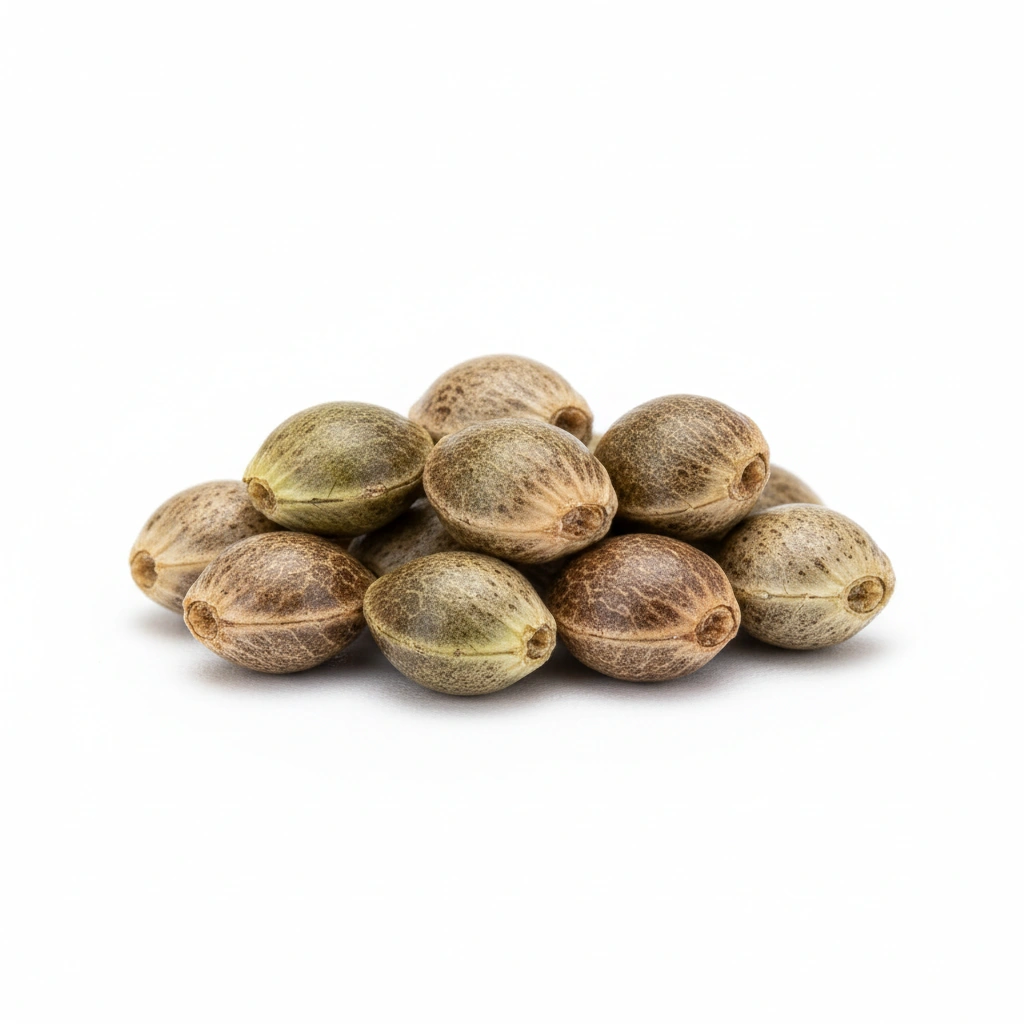
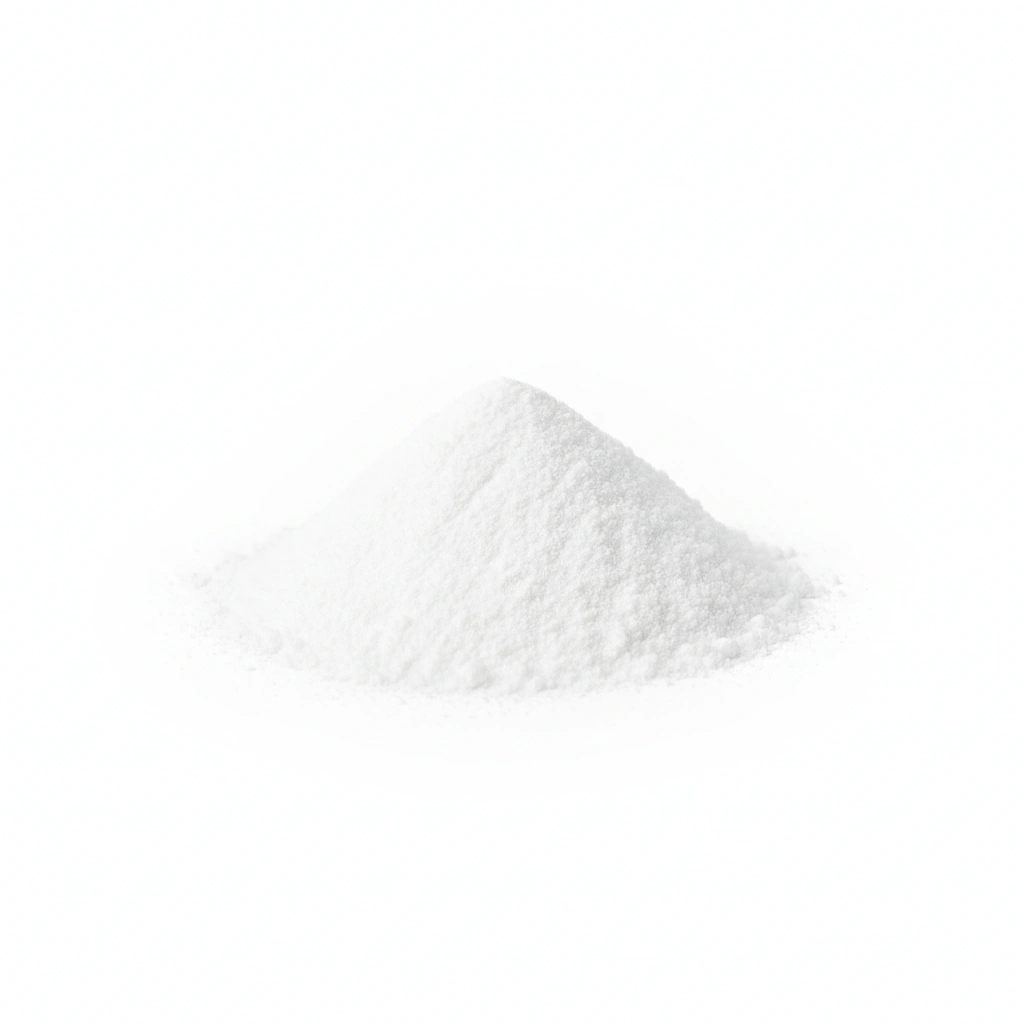
Product Image: For visualization purposes only. All ingredients are supplied as raw materials in bulk form. Available in Botanical Ingredient form.
Hemp Seed Oil is a premium, cold-pressed botanical oil rich in essential omega-3 and omega-6 fatty acids, including beneficial GLA, provided in an optimal 3:1 ratio. This non-psychoactive oil supports cardiovascular health, cognitive function, and skin integrity, making it ideal for diverse dietary supplement and cosmetic formulations seeking a natural source of vital polyunsaturated fats and antioxidants.
Hemp seed oil, derived from the seeds of the Cannabis sativa plant, is a highly valued botanical ingredient in the nutraceutical and functional food industries. Unlike cannabis oil from other parts of the plant, hemp seed oil is extracted via cold-pressing processes, ensuring a rich profile of beneficial nutrients without significant levels of tetrahydrocannabinol (THC), typically below 0.3%. This makes it a non-psychoactive and legally compliant ingredient for a wide range of applications. Its distinctive light green to dark green color and mild, nutty flavor are indicative of its natural purity and nutrient density. The oil is particularly renowned for its exceptional fatty acid composition, providing a balanced ratio of omega-6 and omega-3 essential fatty acids, crucial for various physiological functions. This unique lipid profile is a cornerstone of its appeal as a premium dietary supplement and food additive, offering a natural source of vital polyunsaturated fatty acids.
The health benefits of hemp seed oil are largely attributed to its optimal fatty acid ratio, typically around 3:1 for omega-6 (linoleic acid, LA) to omega-3 (alpha-linolenic acid, ALA). This ratio is considered ideal for human health, supporting cellular integrity and reducing systemic inflammation. Research, such as studies published in the Journal of Agricultural and Food Chemistry, highlights ALA's role as a precursor to longer-chain omega-3s like EPA and DHA, which are vital for cardiovascular health, cognitive function, and immune modulation. Additionally, hemp seed oil contains gamma-linolenic acid (GLA), an omega-6 fatty acid known for its anti-inflammatory properties, which can be beneficial in managing conditions like atopic dermatitis, as indicated by clinical trials. Beyond essential fatty acids, the oil also provides tocopherols (Vitamin E), phytosterols, and a spectrum of other antioxidants, contributing to its overall protective effects against oxidative stress and promoting skin health.
In supplement formulations, hemp seed oil is a versatile ingredient, commonly incorporated into softgels, liquid tinctures, and topical applications. Its stability, when properly stored and processed, makes it suitable for diverse product lines targeting general wellness, skin health, and cardiovascular support. Quality considerations are paramount; suppliers should provide certificates of analysis verifying THC levels, fatty acid profiles, and absence of contaminants like heavy metals and pesticides. Scientific evidence continues to build, with epidemiological studies associating higher intake of omega-3 fatty acids with reduced risk of chronic diseases. For instance, a review in Nutrients emphasized the role of ALA from plant sources in cardiovascular protection. Traditional uses of hemp seeds date back millennia, with ancient cultures utilizing them for their nutritional and medicinal properties, reinforcing their historical efficacy. Modern research is now validating these traditional applications, solidifying hemp seed oil's position as an evidence-based functional ingredient.
Discover more ingredients that complement your selection