In Stock
JCI-267
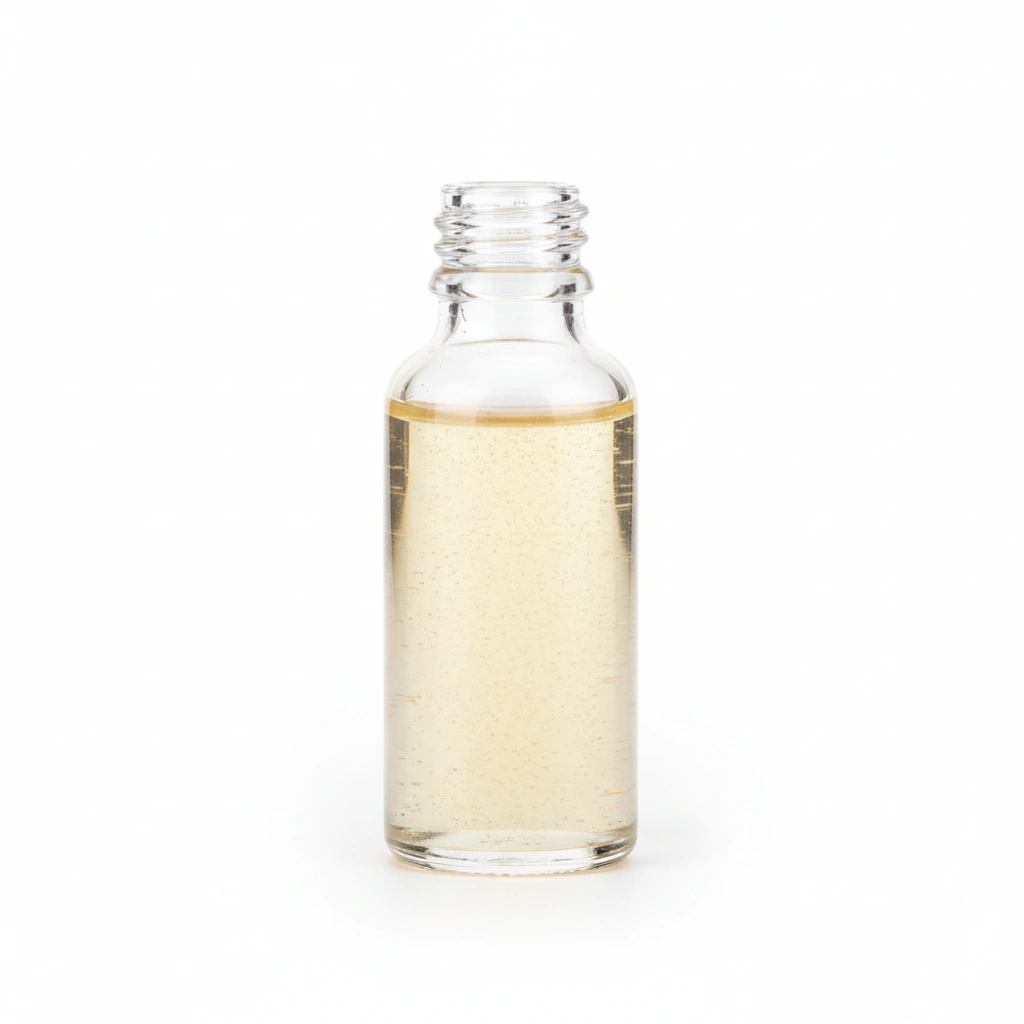
Product Image: For visualization purposes only. All ingredients are supplied as raw materials in bulk form. Available in NON-FOOD Ingredient form.
Neem oil, derived from the Azadirachta indica tree, is a versatile botanical ingredient renowned for its rich profile of bioactive limonoids, including azadirachtin and nimbin. Traditionally used in Ayurvedic medicine, it offers significant anti-inflammatory, antimicrobial, and antioxidant properties. This cold-pressed oil is primarily utilized in topical formulations to support skin health, promote microbial balance, and provide natural protection.
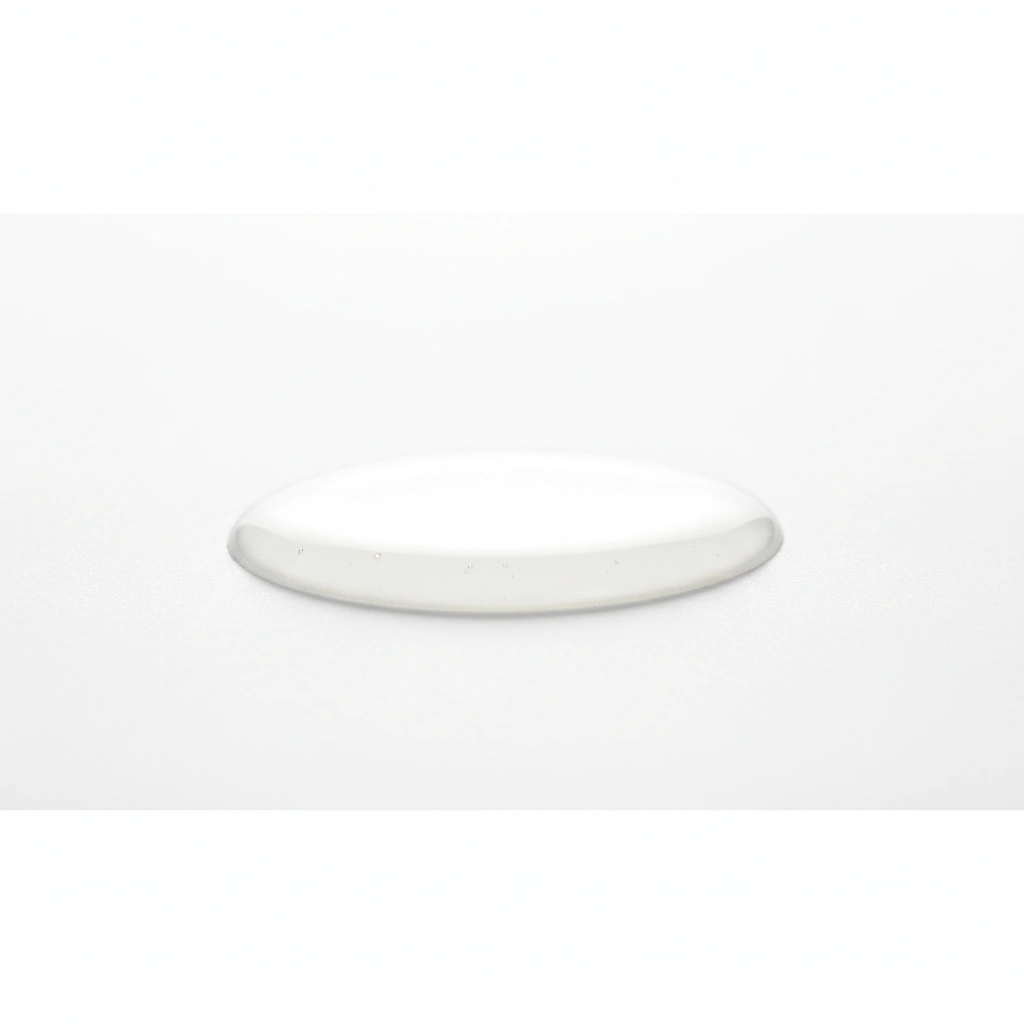
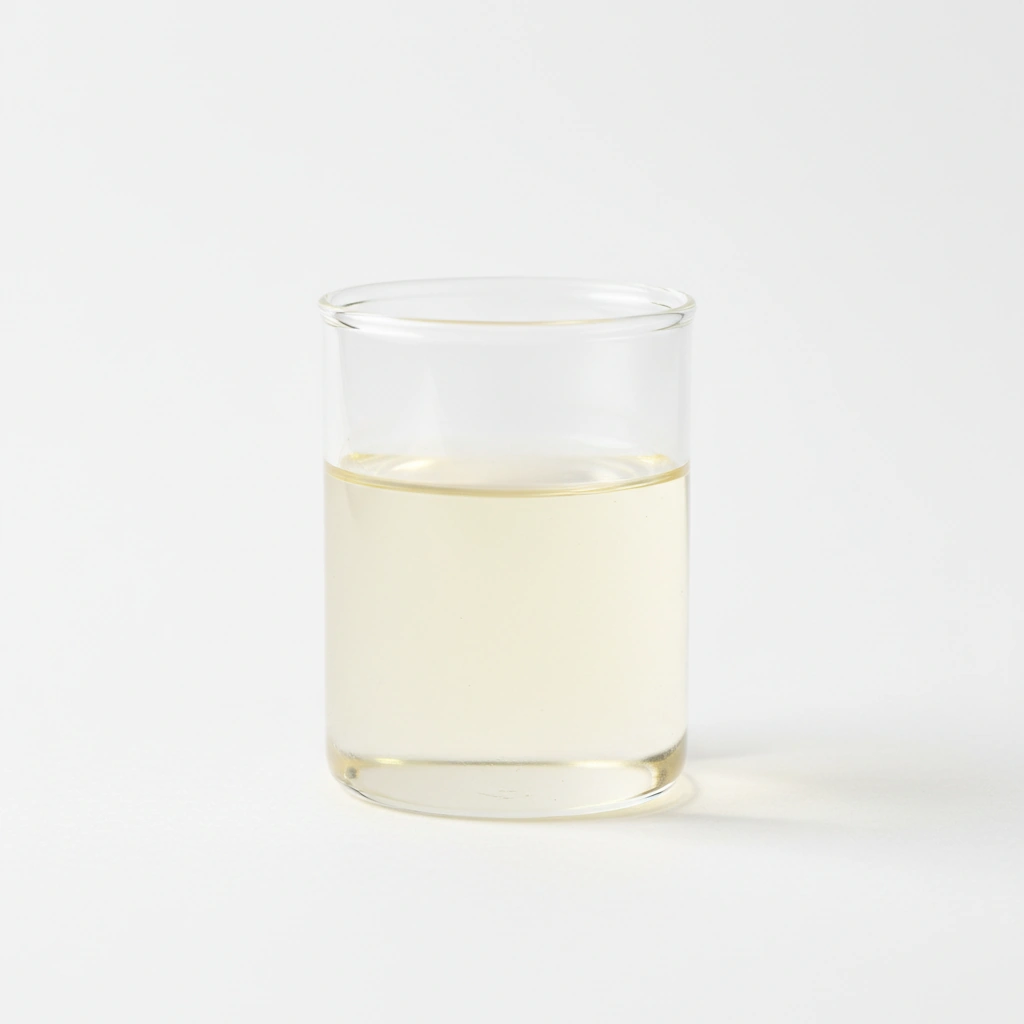
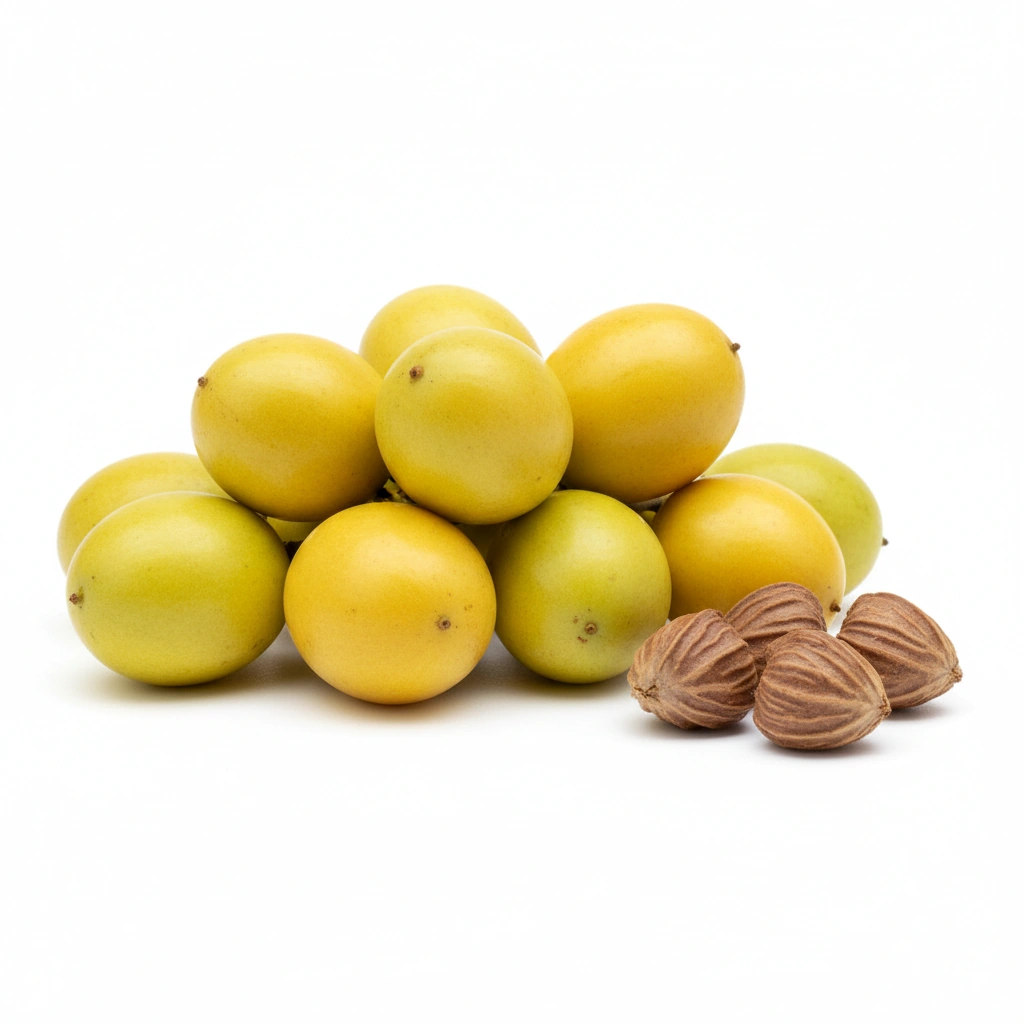
Neem oil, scientifically known as Azadirachta indica, is a highly valued vegetable oil derived from the fruits and seeds of the neem tree, an evergreen indigenous to the Indian subcontinent. For millennia, it has been a cornerstone of Ayurvedic medicine and traditional practices across South Asia, esteemed for its diverse array of purported health and wellness applications. The oil is distinctively characterized by its strong, pungent garlic-sulfur like odor and bitter taste, features largely attributed to its intricate phytochemical profile. Optimal processing, such as cold-pressing, is crucial to maintain the integrity and potency of its heat-sensitive bioactive constituents, which are vital for its efficacy. Its appearance can vary from a golden yellow to a yellowish-brown hue, influenced by the specific extraction method and the ripeness of the seeds. This rich history underscores its significance as a natural remedy.
The extensive biological activities associated with neem oil are predominantly attributed to its complex array of triterpenes, particularly a class of limonoids including azadirachtin, nimbin, nimbidin, and salannin. These bioactive compounds orchestrate various mechanisms of action, encompassing significant anti-inflammatory, antimicrobial, and antioxidant properties. Scientific investigations, such as those published in the Journal of Ethnopharmacology, have elucidated neem's potent efficacy against a broad spectrum of pathogens, underscoring its potential utility in bolstering immune responses and fostering a healthy microbial equilibrium. For example, while azadirachtin is widely recognized for its insecticidal and pest-repellent qualities, nimbin and nimbidin have demonstrated notable anti-inflammatory and antiseptic effects in both in vitro and preliminary in vivo studies. Additionally, the presence of essential fatty acids like oleic acid and linoleic acid enhances its emollient and skin-conditioning attributes.
In the realm of supplement and cosmetic formulations, neem oil finds its primary application in topical preparations such as creams, lotions, shampoos, and specialized skincare products, owing to its well-documented benefits for dermal and scalp health. Its characteristic pungent aroma frequently necessitates careful formulation alongside complementary essential oils or fragrances to enhance overall product appeal and consumer compliance. Rigorous quality control is imperative, with preferences for cold-pressed, virgin neem oil or standardized extracts to guarantee optimal potency, purity, and freedom from contaminants. Emerging research, including studies published in the Indian Journal of Dermatology, Venereology, and Leprology, continues to explore its efficacy in managing various dermatological conditions. While its internal uses are traditionally recognized, commercial supplement applications largely focus on external formulations. Manufacturers must strictly adhere to Good Manufacturing Practices (GMPs), including comprehensive testing for heavy metals and pesticides, and verifying the concentration of key active compounds, to ensure both safety and efficacy for the end-user.
Discover more ingredients that complement your selection