In Stock

JCI-225
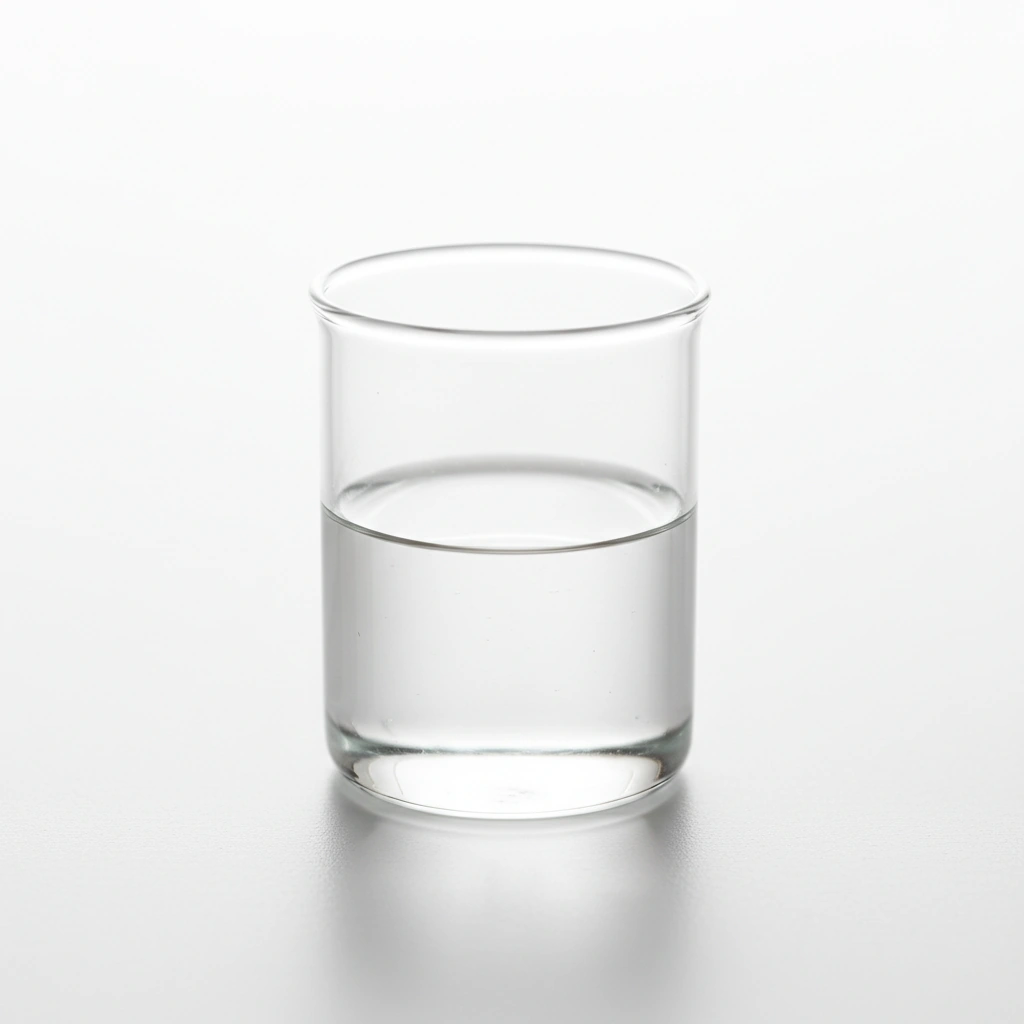
Product Image: For visualization purposes only. All ingredients are supplied as raw materials in bulk form. Available in NON-FOOD Ingredient form.
Mineral oil is a highly refined, inert petroleum derivative, recognized for its lubricating and protective properties. Primarily used in pharmaceutical and industrial applications, it acts mechanically to ease occasional constipation when ingested, though it offers no nutritional value and can interfere with fat-soluble vitamin absorption.
Mineral oil, also known as liquid paraffin, is a highly refined, colorless, odorless, and tasteless mixture of saturated hydrocarbons derived from petroleum. Its inert chemical nature and physical properties make it a versatile substance with a long history of use in various industries, including pharmaceuticals, cosmetics, and food processing. The refinement process ensures the removal of aromatic hydrocarbons and other impurities, resulting in a product that meets stringent purity standards, often adhering to pharmacopoeial grades such as USP (United States Pharmacopeia) or BP (British Pharmacopoeia). Historically, it has been recognized for its lubricating properties and its ability to act as a protective barrier, making it a staple in formulations where a non-reactive, stable base is required. Its hydrophobic nature prevents water absorption, contributing to its role in specific applications where moisture repulsion is desired. This inert character is key to understanding its functional profile across different sectors.
In terms of physiological interaction, mineral oil primarily acts as a lubricant within the gastrointestinal tract, facilitating the passage of stool. Its mechanism involves softening fecal matter by preventing water reabsorption and creating a slippery surface, thereby easing bowel movements. While historically employed for its laxative properties in cases of occasional constipation, it is crucial to note that mineral oil is not absorbed systemically and offers no nutritional value. Prolonged or excessive internal use has been associated with potential concerns, including the malabsorption of fat-soluble vitamins (A, D, E, K) due to its interference with their uptake. Research, such as studies published in the American Journal of Clinical Nutrition, has documented this effect, underscoring the importance of careful consideration in its internal application. Its inertness means it does not contain bioactive compounds in the traditional sense of promoting cellular or metabolic health.
For supplement formulations, mineral oil's application is primarily restricted to non-ingestible uses or as a processing aid, given its non-absorbable nature and potential for nutrient interference when ingested. It can serve as a lubricant in manufacturing processes for tablets and capsules, or as a protective coating for certain ingredients to prevent degradation from moisture or air. Quality control is paramount, with pharmaceutical-grade mineral oil ensuring minimal impurities and adherence to strict specifications for specific gravity, viscosity, and absence of toxic compounds. Scientific literature primarily focuses on its physical properties and its role as a mechanical agent rather than a source of health-promoting constituents. Modern supplement development largely favors ingredients that offer direct nutritional or physiological benefits, making mineral oil a niche component typically reserved for its physical characteristics in specific non-nutritive applications within the broader health product industry.
Discover more ingredients that complement your selection