In Stock
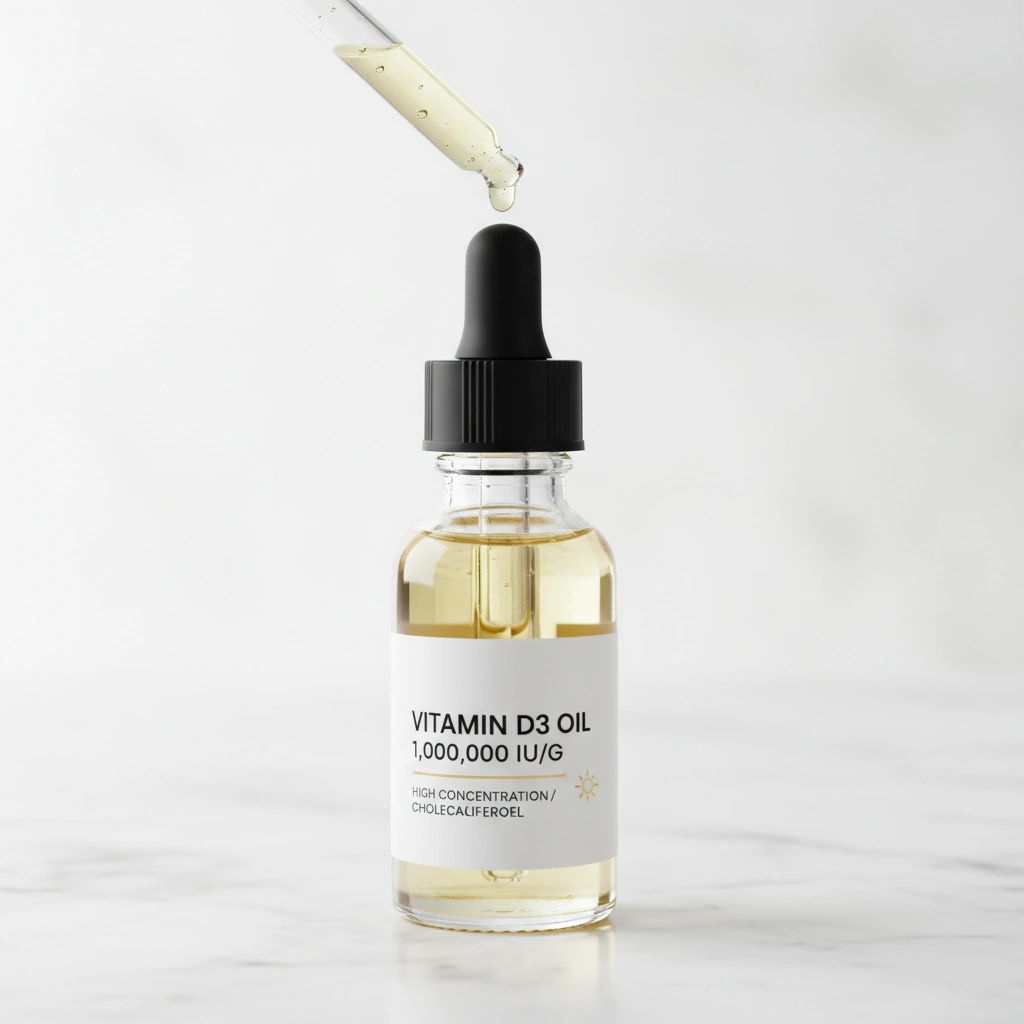

Product Image: For visualization purposes only. All ingredients are supplied as raw materials in bulk form. Available in NON-FOOD Ingredient form.
Canola oil, derived from low-erucic acid rapeseed, is a versatile and heart-healthy ingredient rich in monounsaturated and polyunsaturated fats, including essential omega-3 alpha-linolenic acid (ALA). It supports cardiovascular wellness by aiding in the maintenance of healthy cholesterol levels, making it an excellent choice for a variety of supplement and food applications due to its neutral flavor and stability.
Canola oil, derived from specific cultivars of the rapeseed plant (Brassica napus), is a widely utilized vegetable oil recognized for its favorable fatty acid profile and versatility in both culinary and supplement applications. Originating from Canada, its name is a portmanteau of "Canadian" and "ola" (oil low acid), highlighting its key characteristic: significantly reduced erucic acid levels compared to traditional rapeseed oil. This light-colored, mild-flavored oil is characterized by a high smoke point, making it suitable for various cooking methods. Its primary composition includes a high proportion of monounsaturated fatty acids (MUFAs), predominantly oleic acid, alongside a balanced blend of polyunsaturated fatty acids (PUFAs), including essential omega-3 alpha-linolenic acid (ALA) and omega-6 linoleic acid, while being notably low in saturated fat. The refinement process typically involves degumming, neutralizing, bleaching, and deodorizing to ensure stability, extend shelf life, and achieve a neutral taste and aroma, which are critical for its broad application across industries.
The health benefits associated with canola oil are largely attributed to its unique fatty acid composition, particularly its high content of MUFAs and PUFAs. Scientific research, including numerous observational studies and randomized controlled trials, consistently demonstrates that replacing dietary saturated fats with unsaturated fats can significantly contribute to improved cardiovascular health. For instance, a meta-analysis published in the British Medical Journal indicated that higher consumption of PUFAs, particularly omega-3s, is linked to a reduced risk of coronary heart disease. Canola oil's rich supply of alpha-linolenic acid (ALA), an essential omega-3 fatty acid, plays a crucial role as a precursor to eicosapentaenoic acid (EPA) and docosahexaenoic acid (DHA) in the body, although conversion rates vary. Furthermore, its oleic acid content, a monounsaturated fat, is known to support healthy cholesterol levels by helping to lower low-density lipoprotein (LDL) cholesterol without reducing beneficial high-density lipoprotein (HDL) cholesterol, a mechanism supported by extensive dietary intervention studies.
In supplement formulations, canola oil serves as an excellent carrier for fat-soluble vitamins (A, D, E, K), coenzyme Q10, and various botanical extracts, enhancing their bioavailability. Its neutral flavor and aroma make it a preferred choice over oils with stronger sensory profiles, ensuring product palatability. Quality considerations are paramount; sourcing non-GMO canola oil and ensuring it undergoes rigorous testing for contaminants like heavy metals and pesticides is essential for premium supplement applications. The stability of canola oil, particularly its resistance to oxidation compared to oils higher in highly unsaturated fatty acids, is enhanced through careful processing and packaging, such as nitrogen blanketing and dark containers, to preserve its nutritional integrity. Research continues to explore the optimal omega-6 to omega-3 ratio in the diet, with canola oil's relatively balanced ratio (approximately 2:1) often cited as beneficial compared to many other common vegetable oils, aligning with recommendations for a healthier lipid intake profile.
Discover more ingredients that complement your selection