In Stock
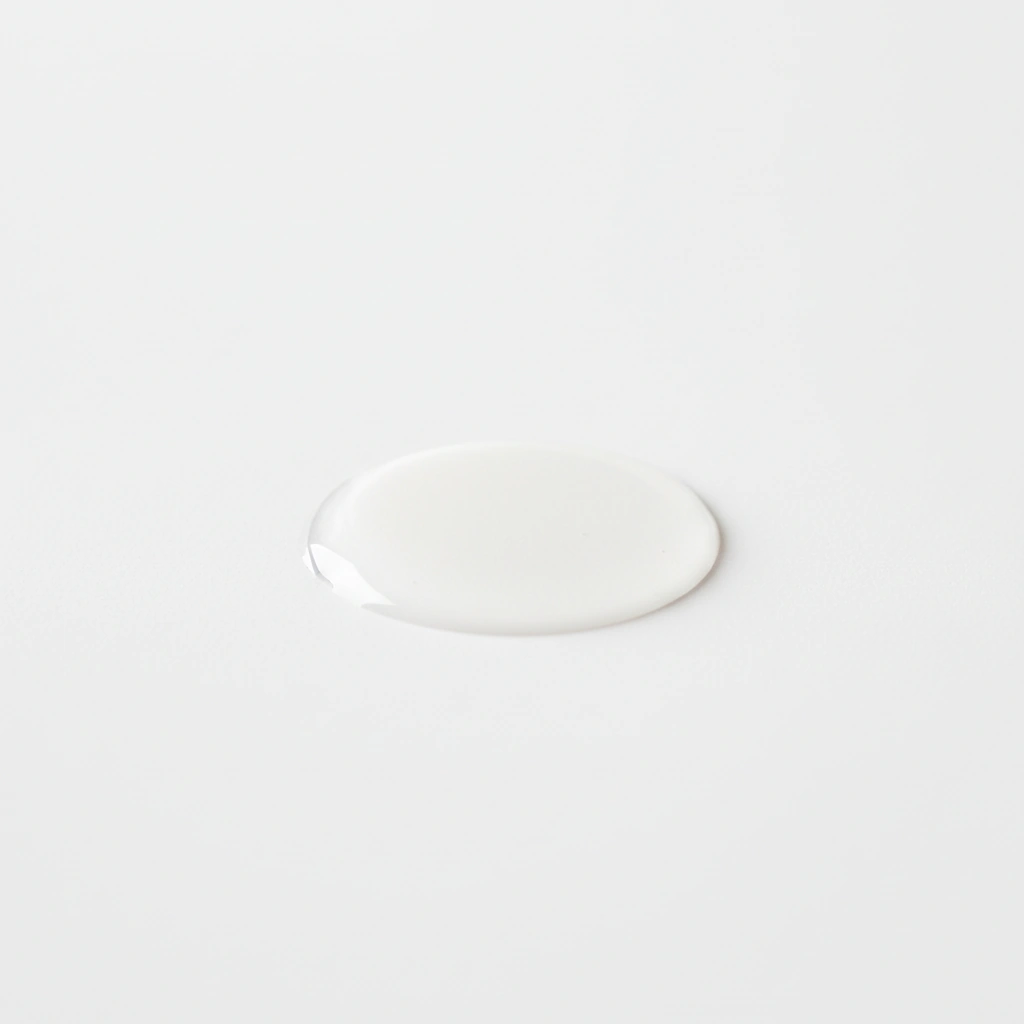
Product Image: For visualization purposes only. All ingredients are supplied as raw materials in bulk form. Available in NON-FOOD Ingredient form.
Polypropylene Glycol Oil (PPG) is a versatile, high-purity synthetic polymer widely utilized as an excipient in supplement formulations. Valued for its excellent solvent capabilities, it significantly enhances the solubility and bioavailability of lipophilic active ingredients, ensuring optimal delivery and absorption. PPG also acts as a humectant and plasticizer, contributing to product stability and integrity across various liquid and softgel applications.
Polypropylene Glycol Oil (PPG), specifically referring to various grades of polypropylene glycol, is a synthetic polymer derived from the polymerization of propylene oxide. Unlike natural oils, PPG is a clear, colorless, odorless, and viscous liquid, characterized by its low toxicity and excellent solvent properties. It is available in different molecular weights, denoted by numbers like PPG-400 or PPG-2000, which dictate its physical properties such as viscosity and water solubility. These varying molecular weights allow for tailored applications across numerous industries, including pharmaceuticals, cosmetics, and increasingly, nutraceuticals. Its inert nature and compatibility with a wide range of organic and inorganic compounds make it a highly valued excipient in complex formulations. Strict manufacturing processes ensure high purity grades, often meeting pharmacopoeial standards like USP/NF, critical for its use in products intended for human consumption or application. This synthetic versatility positions PPG as a foundational component for enhancing product stability and delivery.
While Polypropylene Glycol Oil does not possess direct bioactive compounds or exert intrinsic health benefits in the manner of a vitamin or botanical extract, its primary utility lies in its functional role within supplement formulations, indirectly supporting the efficacy and safety of the final product. As a highly effective solvent and solubilizer, PPG significantly enhances the bioavailability of poorly water-soluble active pharmaceutical ingredients (APIs) and nutraceutical compounds. Research, such as studies on drug delivery systems, demonstrates that PPG can improve the dissolution rate and absorption of lipophilic substances by forming micellar structures or acting as a co-solvent. This mechanism ensures that beneficial compounds are more readily absorbed and utilized by the body. Furthermore, PPG acts as a humectant, helping to maintain moisture content in certain dosage forms, and a plasticizer, contributing to the flexibility and integrity of softgel capsules. Its low irritation potential and metabolic inertness, particularly for higher molecular weight grades, contribute to a favorable safety profile, making it a preferred choice for internal and topical applications when formulated appropriately.
Polypropylene Glycol Oil finds extensive application in the nutraceutical industry, particularly in liquid supplements, topical creams, and softgel formulations. In liquid supplements, it serves as a robust solvent and carrier for fat-soluble vitamins (e.g., A, D, E, K), coenzyme Q10, and various herbal extracts, ensuring uniform dispersion and stability. For softgel capsules, PPG acts as an integral component of the fill material, often combined with other lipids to optimize ingredient solubility and prevent precipitation. Quality considerations are paramount; suppliers must adhere to stringent Good Manufacturing Practices (GMP) and provide comprehensive Certificates of Analysis (CoA) to verify purity, molecular weight, and absence of impurities such as heavy metals or ethylene glycol residues. Scientific evidence supporting its utility stems from numerous pharmacokinetic studies where PPG-based formulations have shown superior absorption profiles for various active ingredients compared to traditional delivery methods. For instance, research published in journals like Pharmaceutical Research frequently explores the role of glycols in enhancing drug permeability across biological membranes, underscoring PPG's established efficacy as a pharmaceutical excipient.
Discover more ingredients that complement your selection