In Stock
JCI-212
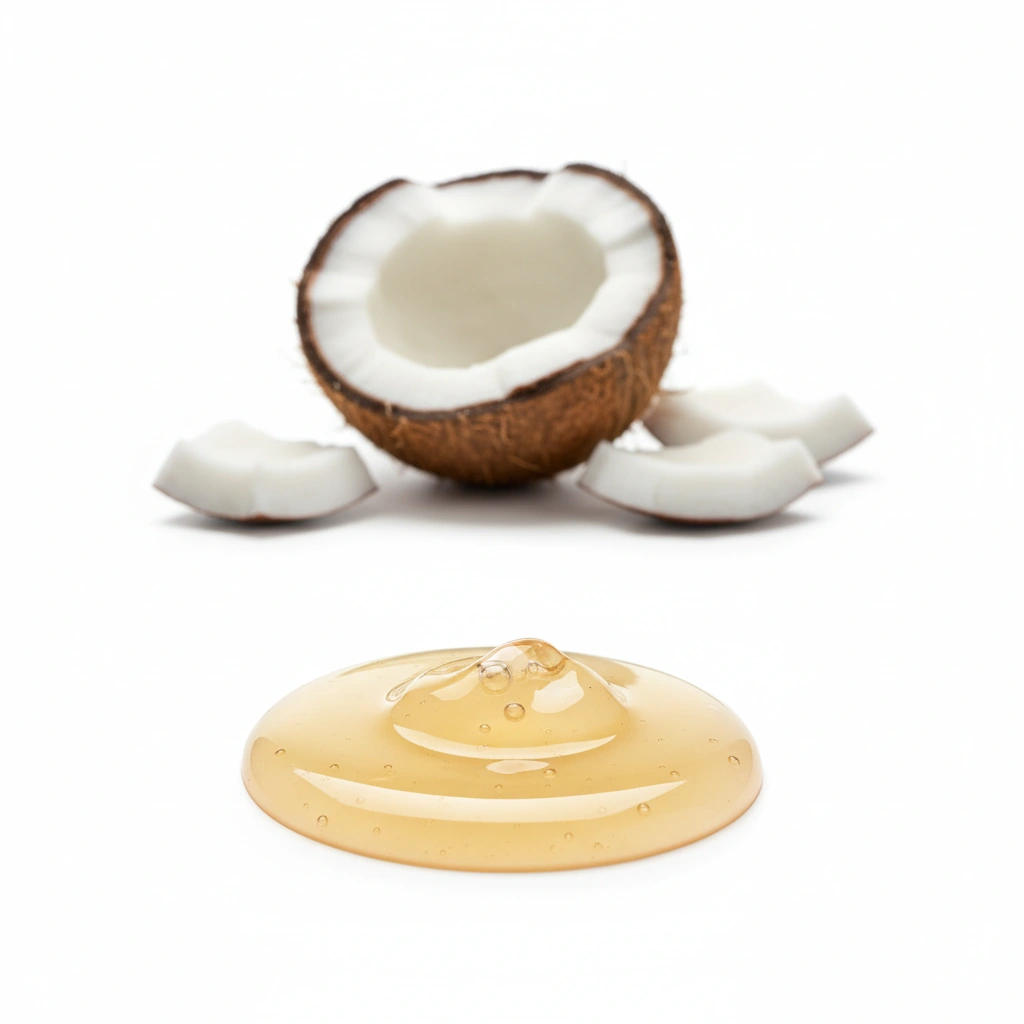
Product Image: For visualization purposes only. All ingredients are supplied as raw materials in bulk form. Available in NON-FOOD Ingredient form.
Cocamidopropyl Betaine (CAPB) is a versatile amphoteric surfactant derived from coconut oil, widely used in personal care products for its mild cleansing, foam-boosting, and conditioning properties. It enhances lather quality and reduces irritation potential in shampoos, body washes, and facial cleansers, contributing to a gentle and effective user experience.
Cocamidopropyl Betaine (CAPB) is a synthetic amphoteric surfactant widely utilized across the personal care industry for its excellent foaming, cleansing, and conditioning properties. Derived primarily from coconut oil (specifically, cocamide and glycine betaine), it represents a common ingredient in shampoos, body washes, and cleansers. Its chemical structure, featuring both cationic and anionic groups that vary with pH, allows it to function effectively over a broad pH range. This adaptability contributes to its mildness compared to other surfactants, making it suitable for sensitive skin formulations. As a co-surfactant, CAPB helps to boost foam stability, improve lather quality, and reduce the irritation potential of more aggressive anionic surfactants, creating a more pleasant user experience. Its natural origin from coconut fatty acids often leads to its perception as a 'natural' or 'naturally derived' ingredient, though it undergoes significant chemical processing.
While Cocamidopropyl Betaine is primarily recognized for its functional attributes in topical applications, it does not possess direct nutritional or systemic health benefits when ingested, nor is it classified as an active compound for internal supplementation. Its mechanism of action is limited to its surfactant properties: reducing surface tension, emulsifying oils, and suspending dirt for effective cleansing. In formulations designed for skin and hair, its amphoteric nature contributes to a conditioning effect, leaving skin feeling soft and hair manageable. Research into its interaction with biological membranes primarily focuses on its potential for dermal irritation or sensitization in susceptible individuals, rather than any beneficial physiological effects. Studies, such as those published in the Journal of the American Academy of Dermatology, investigate its role as a contact allergen in a small percentage of the population, highlighting the importance of formulation quality and purity. It does not contain vitamins, minerals, or other traditional "active compounds" found in dietary supplements.
In the context of ingredient sourcing for various industries, the quality and purity of Cocamidopropyl Betaine are paramount, particularly to minimize potential irritants like residual amidoamine and dimethylaminopropylamine, which are by-products of its synthesis. High-purity CAPB is essential for its application in hypoallergenic or 'tear-free' formulations. While not applied in dietary supplements, its presence in personal care items underscores a broader consumer demand for ingredients perceived as milder or naturally derived. Manufacturers often provide Certificates of Analysis to confirm the absence of impurities and adherence to strict quality control standards. The scientific literature predominantly addresses CAPB from a dermatological and toxicological perspective, focusing on its safety profile in topical products. For instance, comprehensive reviews by organizations like the Cosmetic Ingredient Review (CIR) Expert Panel evaluate its safety for use in cosmetics, concluding it is safe in current practices and concentrations when formulated to be non-irritating. This rigorous evaluation ensures its suitability for external applications, reflecting an industry commitment to ingredient integrity.
Discover more ingredients that complement your selection