In Stock
JCI-085
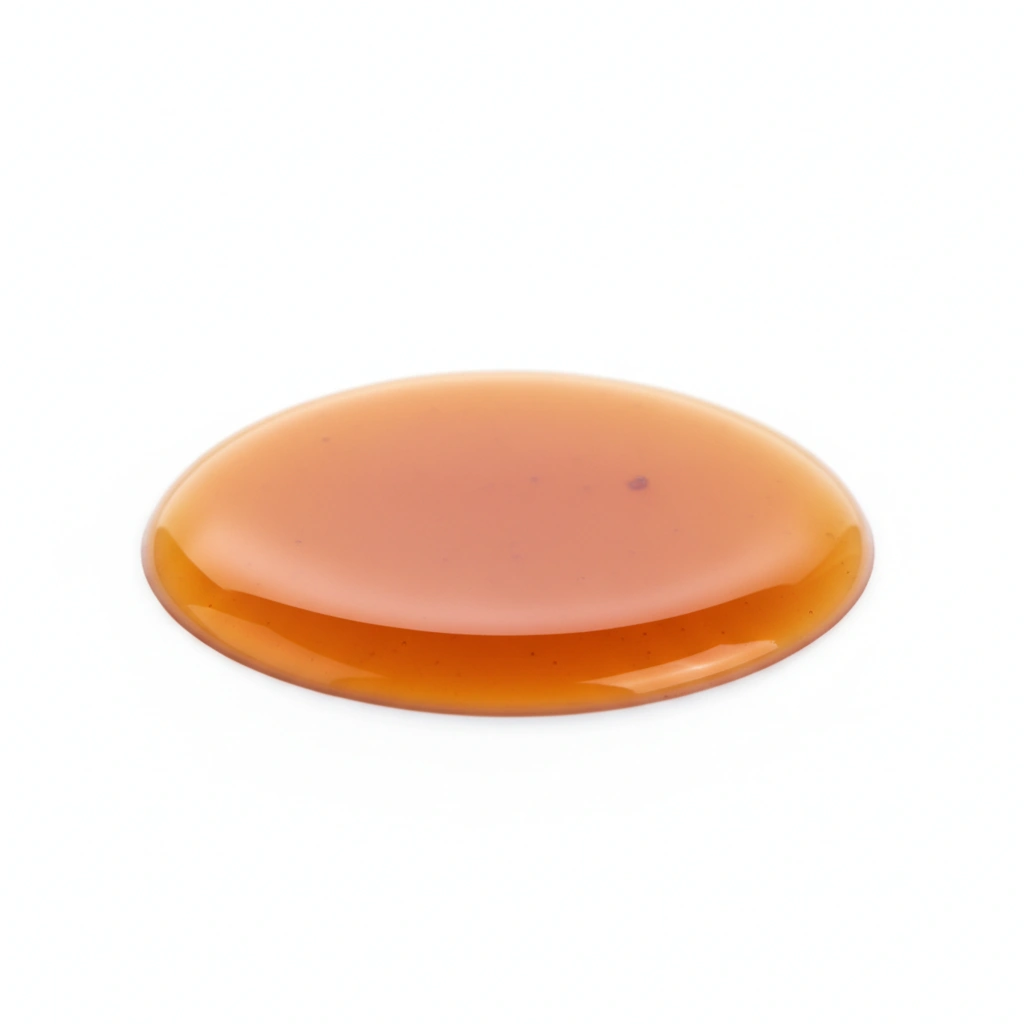
Product Image: For visualization purposes only. All ingredients are supplied as raw materials in bulk form. Available in NON-FOOD Ingredient form.
Green tea extract is a highly versatile, water-soluble liquid botanical standardized in a gentle glycerin and water vehicle to preserve the plant's rich spectrum of natural polyphenols and catechins, particularly epigallocatechin gallate (EGCG). Widely utilized in clean-label personal care, topical cosmeceuticals, and wellness formulations, this premium brown liquid extract delivers robust antioxidant protection, calms inflammation, and defends structural integrity against environmental oxidative stress to promote healthy, radiant, and resilient skin.
Green tea extract derived from the unfermented leaves of Camellia sinensis is a premier botanical raw material renowned for its extensive concentration of bioactive constituents. Supplied in a standardized liquid base of vegetable glycerin and purified water, this brown liquid extract captures the native spectrum of polyphenols while providing exceptional water solubility and versatility in product development. Historically consumed for centuries across East Asia as both a revitalizing beverage and an herbal tonic, Camellia sinensis leaves undergo minimal oxidation during processing. This gentle handling preserves the naturally occurring phytochemical profile, specifically maintaining high concentrations of monomeric flavan-3-ols. The hydroglycerolic solvent system utilized in this liquid preparation stabilizes these delicate botanical constituents without the necessity of harsh chemical solvents, yielding an ingredient that integrates cleanly into liquid formulations, topical cosmetic bases, and nutricosmetic solutions where homogeneous blending and long-term shelf stability are paramount.
The physiological and biological activity of green tea extract is largely governed by its high concentration of polyphenolic catechins, most notably epigallocatechin gallate (EGCG), epigallocatechin (EGC), epicatechin gallate (ECG), and epicatechin (EC). Scientific research demonstrates that these compounds act as formidable free-radical scavengers, neutralizing reactive oxygen species and mitigating cellular oxidative stress. At the molecular level, epigallocatechin gallate has been shown to downregulate pro-inflammatory signaling pathways, including nuclear factor kappa B (NF-kB), while modulating enzymes such as matrix metalloproteinases that degrade structural collagen and elastin fibers. In addition to catechins, the botanical matrix delivers natural methylxanthines, including caffeine, and trace amino acids such as L-theanine, which act synergistically to support microcirculation and metabolic vitality. When applied topically or incorporated into wellness regimes, these bioactive constituents support dermal integrity, improve cellular resilience, soothe irritated tissues, and promote enhanced protection against environmental aggressors like ultraviolet radiation and ambient atmospheric pollutants.
In modern commercial applications, this standardized liquid green tea extract serves as an essential functional component across personal care formulations, topical cosmeceuticals, and specialized ingestible wellness tonics. The glycerin-based liquid medium facilitates effortless dispersion in water-based phases, oil-in-water emulsions, facial serums, clarifying cleansers, and soothing toners, bypassing the dissolution hurdles common to powdered botanical extracts. Rigorous quality assurance protocols ensure batch-to-batch consistency, verifying the absence of heavy metal contaminants, residual synthetic solvents, and microbial impurities in adherence to Good Manufacturing Practices. Extensive dermatological and clinical investigations substantiate the efficacy of green tea catechins in calming cutaneous erythema, regulating excess sebum production, and fortifying the epidermal barrier against photoaging. Formulators frequently combine this versatile extract with complementary antioxidants like vitamin C, niacinamide, and hyaluronic acid to deliver synergistic protective outcomes. Its botanical pedigree and substantiated mechanism of action make it an indispensable asset for evidence-based clean-label product portfolios.
Discover more ingredients that complement your selection