In Stock
SCD000P

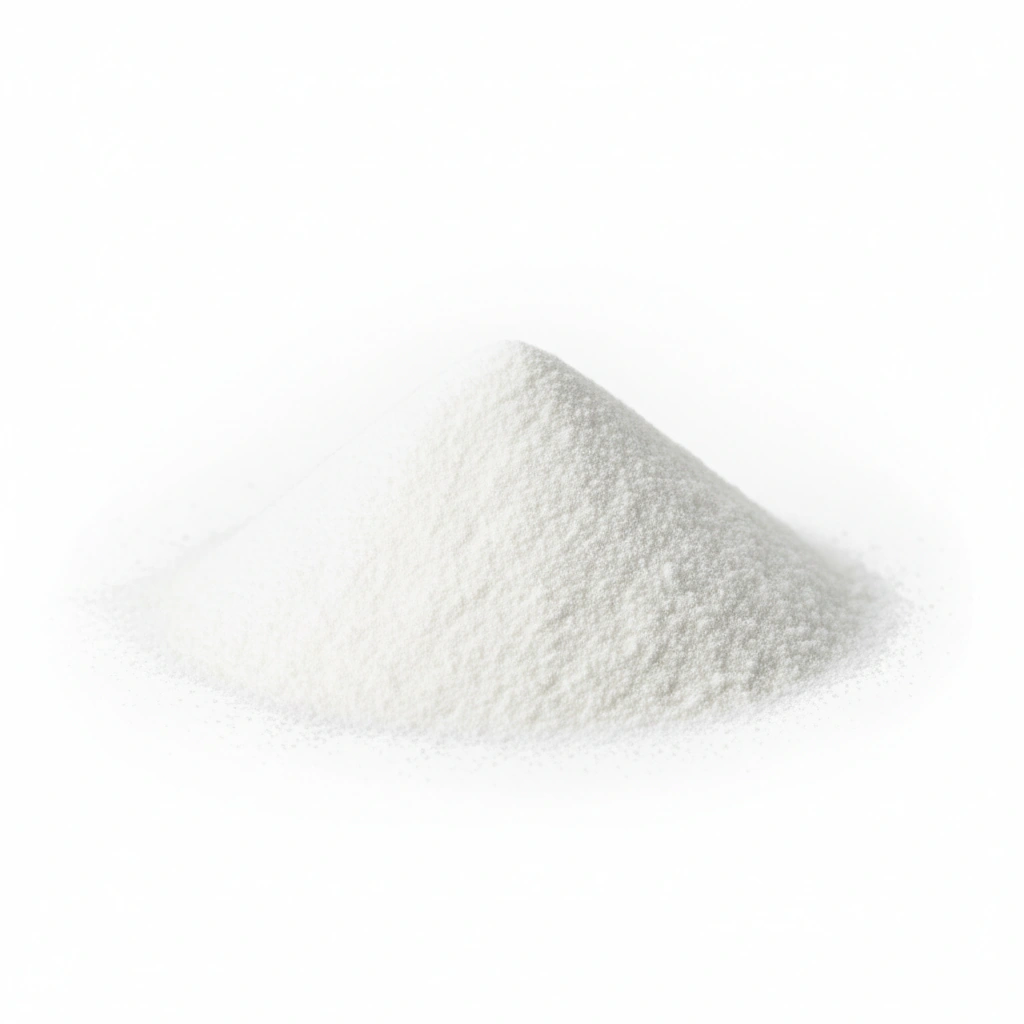
Product Image: For visualization purposes only. All ingredients are supplied as raw materials in bulk form. Available in Flavor Ingredient form.
Malic Acid is a naturally occurring alpha-hydroxy acid, crucial for cellular energy production via the Krebs cycle, widely found in fruits like apples. It supports energy metabolism, muscle function, and contributes to overall cellular health. Often utilized in supplements for fatigue reduction and as a chelation agent, it's a versatile ingredient for enhancing vitality and recovery.
Malic acid, a naturally occurring dicarboxylic acid, is widely recognized for its pivotal role in cellular metabolism and its ubiquitous presence in the plant kingdom, particularly in fruits like apples, grapes, and cherries. Derived from the Latin word 'malum' for apple, this organic acid contributes significantly to the characteristic tart flavor profile of many foods. Beyond its gustatory attributes, malic acid is an essential intermediate in the Krebs cycle (also known as the citric acid cycle), a fundamental biochemical pathway responsible for generating cellular energy in the form of adenosine triphosphate (ATP). The biologically active L-malic acid enantiomer is endogenously produced in the human body, underscoring its inherent compatibility and importance in maintaining physiological functions. Its chemical structure allows for facile integration into various metabolic processes, making it a versatile compound in both biological systems and commercial applications. Its natural abundance and metabolic significance position malic acid as a key ingredient for nutritional and functional formulations.
The primary health benefits of malic acid are intrinsically linked to its central role in energy production. As an intermediate in the Krebs cycle, it facilitates the conversion of carbohydrates, fats, and proteins into ATP, thereby supporting overall energy levels and reducing feelings of fatigue. Research, including preliminary studies on conditions like fibromyalgia, has explored malic acid's potential to alleviate muscle pain and tenderness, particularly when combined with magnesium (e.g., Abraham & Flechas, 1992, Journal of Nutritional Medicine). This synergistic effect is thought to stem from malic acid's ability to enhance magnesium absorption and its direct involvement in muscle cell energy metabolism. Furthermore, malic acid can act as a chelating agent, capable of binding to certain metal ions, which may play a role in various physiological processes, though this area requires further comprehensive investigation to fully elucidate its implications for human health.
In supplement formulations, malic acid is frequently incorporated to support energy, endurance, and muscle recovery. It is a popular component in pre-workout supplements and post-exercise recovery blends, often paired with other ingredients like creatine or branched-chain amino acids. One particularly common and effective application is in the form of Magnesium Malate, where malic acid enhances the bioavailability of magnesium, offering combined benefits for muscle, nerve, and cellular health. Quality considerations for malic acid include ensuring high purity, minimal heavy metal content, and confirming the presence of the L-malic acid enantiomer for optimal biological efficacy. While robust large-scale human clinical trials are ongoing for all its purported benefits, existing scientific literature and traditional use consistently support its role in metabolic function. Studies on exercise performance, for instance, suggest malic acid's potential in improving ATP regeneration and buffering lactate, contributing to enhanced physical output and reduced fatigue (e.g., Russell et al., 1995, Journal of Rheumatology).
Discover more ingredients that complement your selection