In Stock
LYS000P
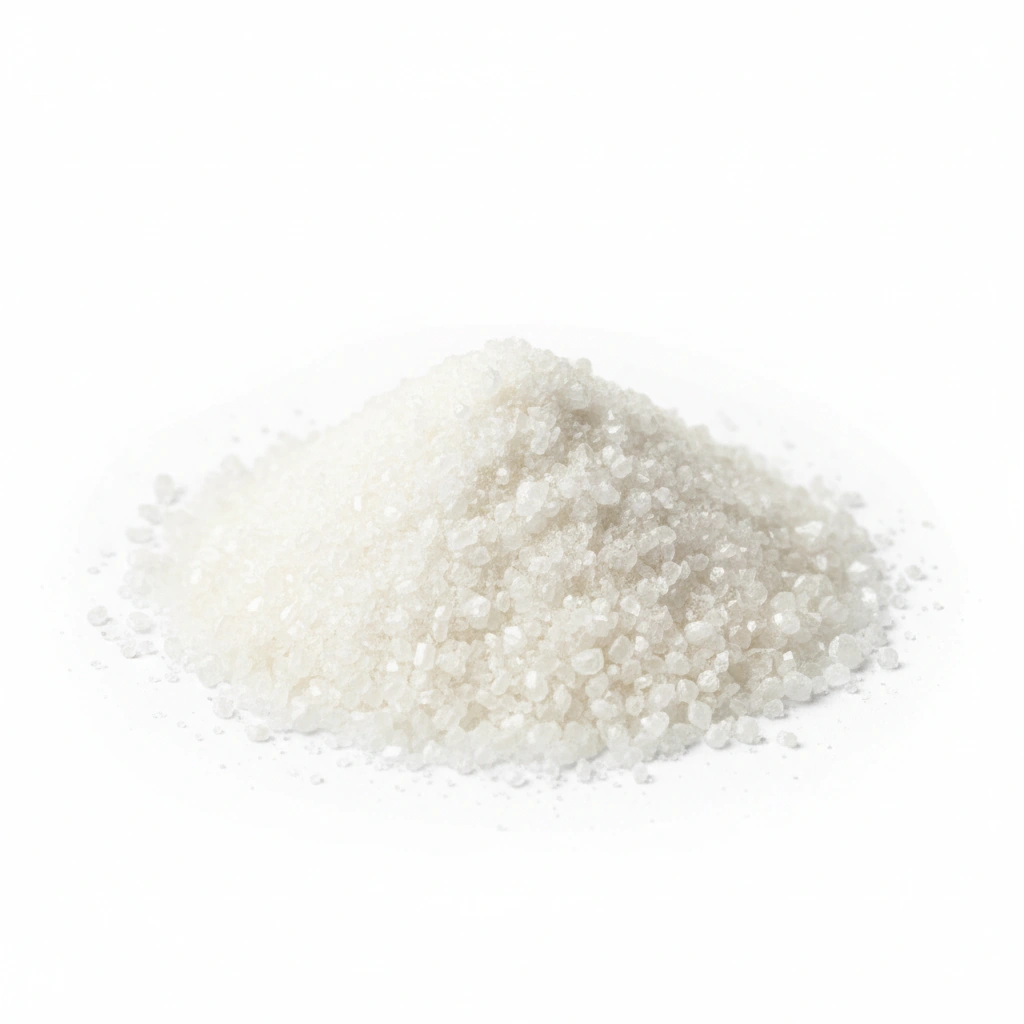
Product Image: For visualization purposes only. All ingredients are supplied as raw materials in bulk form. Available in Vitamin or Element Ingredient form.
Magnesium Carbonate is a highly bioavailable source of elemental magnesium, an essential mineral crucial for over 300 biochemical reactions, including energy production, muscle function, and nerve transmission. This stable, white powder is commonly used in supplements to support bone health, cardiovascular function, and provide natural digestive comfort by neutralizing stomach acid.
Magnesium carbonate (MgCO3) is a naturally occurring mineral compound widely recognized for its high magnesium content and antacid properties. Sourced from various geological deposits, it presents as a white, odorless powder, often utilized in pharmaceutical and supplement industries due to its stability and efficacy. This inorganic salt serves as a readily available source of elemental magnesium, an essential mineral crucial for over 300 enzymatic reactions in the human body. Its composition allows for a high elemental magnesium yield, making it an efficient option for dietary supplementation. Historically, magnesium compounds have been used for their laxative and digestive properties, with magnesium carbonate specifically valued for its ability to neutralize stomach acid, as documented in traditional pharmacopeias. Its fine particulate nature also contributes to its ease of incorporation into various formulations, ensuring consistent dispersion and bioavailability.
The primary health benefits of magnesium carbonate stem from its dissociation into magnesium ions (Mg2+) within the digestive tract, which are then absorbed and utilized throughout the body. Magnesium is a critical cofactor for ATP production, DNA and RNA synthesis, and protein synthesis, underpinning its role in energy metabolism and cellular function. Research highlights magnesium's involvement in nerve impulse transmission and muscle contraction, contributing to normal neurological and muscular function. A meta-analysis published in Nutrients (2018) indicated that adequate magnesium intake is inversely associated with the risk of cardiovascular disease, partly due to its role in maintaining electrolyte balance and vascular tone. Furthermore, magnesium contributes to bone mineral density by influencing osteoblast and osteoclast activity and regulating calcium and vitamin D metabolism, as supported by studies in Bone journal. Its role as an electrolyte is vital for maintaining fluid balance and cellular communication.
Magnesium carbonate is a versatile ingredient, frequently incorporated into dietary supplements, antacids, and functional foods. In supplement formulations, it is commonly found in powder blends, capsules, and chewable tablets, often combined with other minerals or vitamins to create comprehensive health products. For example, its antacid properties make it suitable for formulations targeting digestive comfort. Quality considerations for magnesium carbonate include purity, particle size, and heavy metal content, with reputable suppliers adhering to strict USP or EP standards to ensure safety and efficacy. Clinical studies have explored its effectiveness in various applications; for instance, a double-blind, placebo-controlled trial in Magnesium Research demonstrated its potential in supporting bone health in postmenopausal women. Further research continues to elucidate its broad spectrum of physiological roles, reinforcing its status as a foundational nutrient in human health and a valuable component in well-formulated supplements.