In Stock
AEO000L
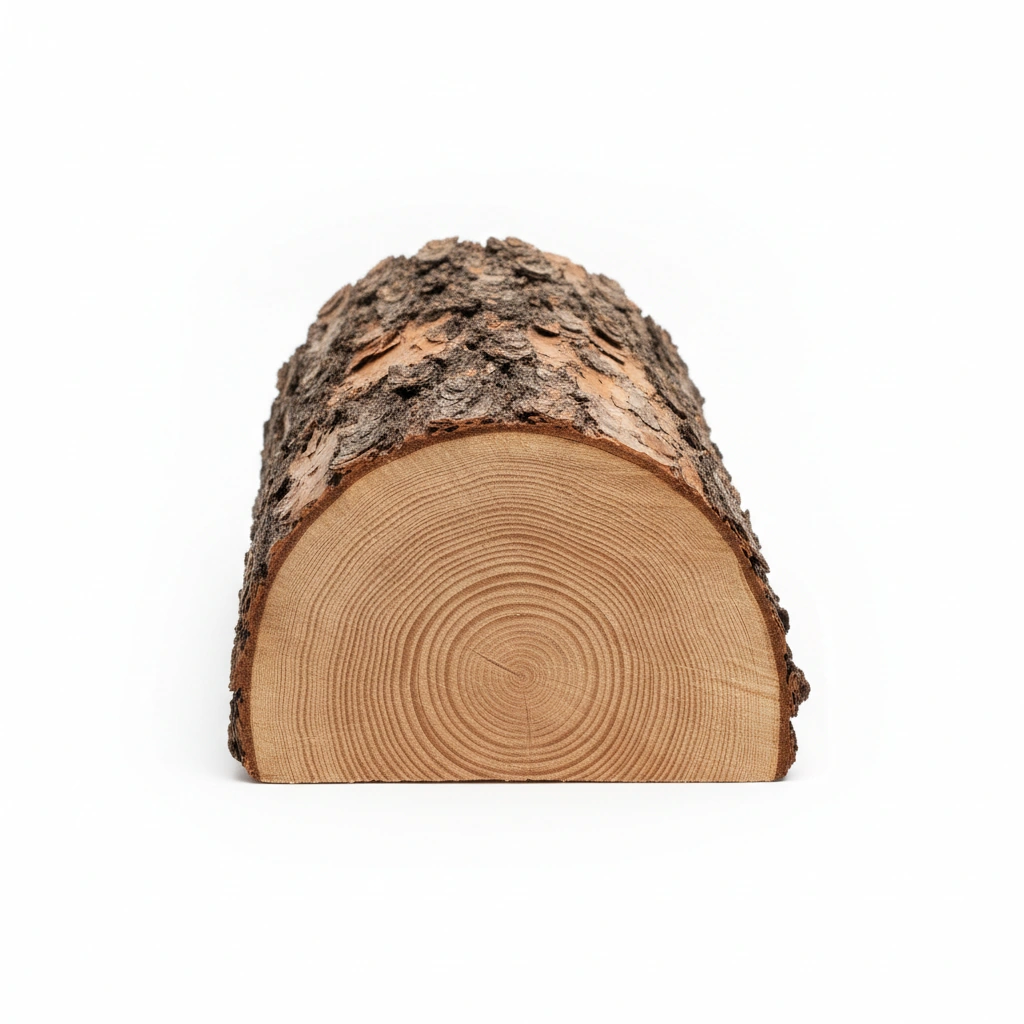
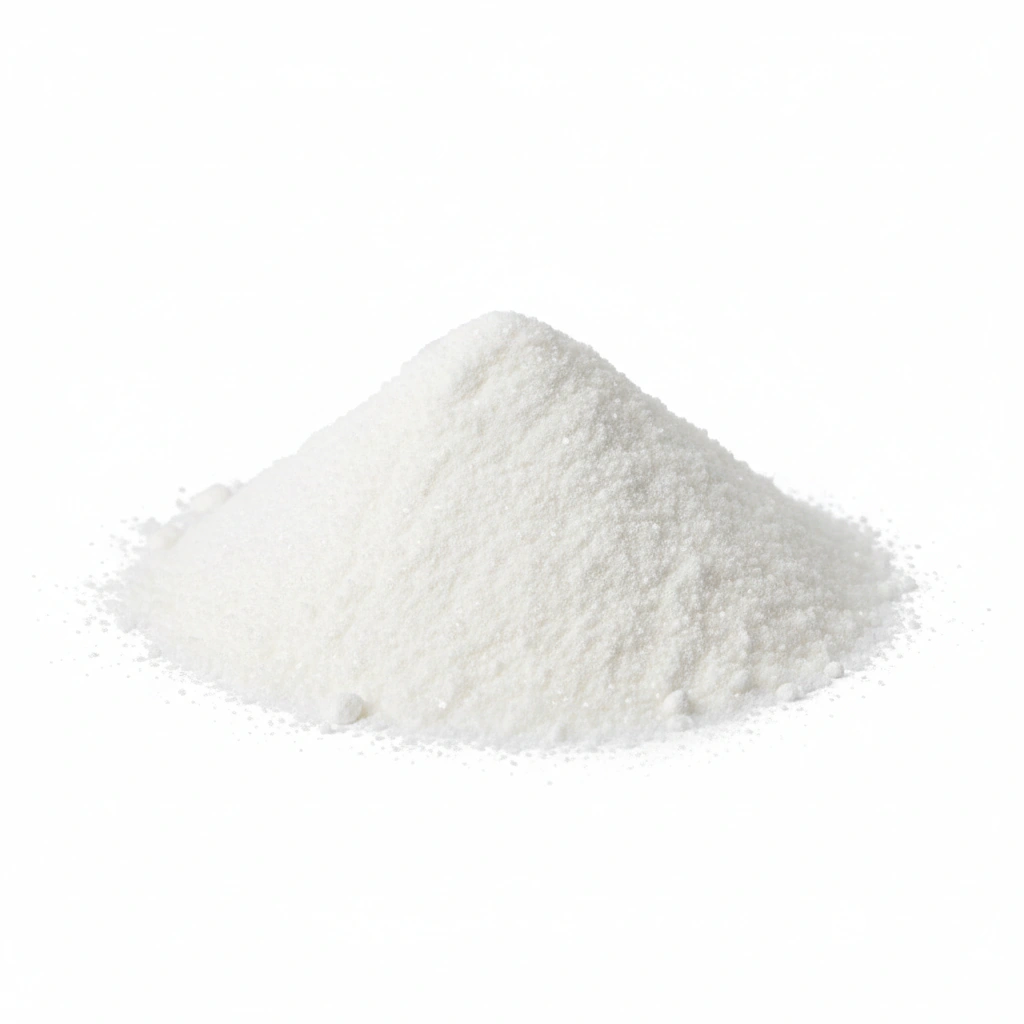
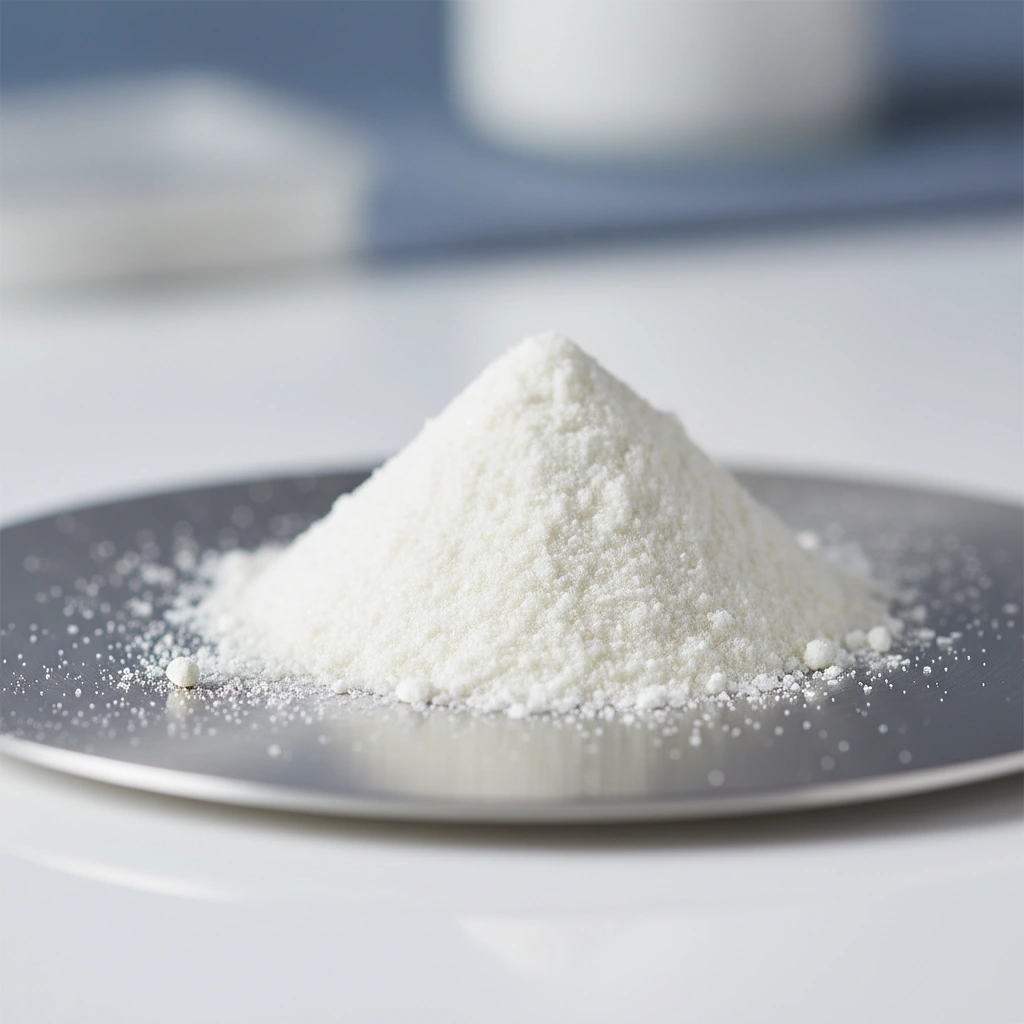
Product Image: For visualization purposes only. All ingredients are supplied as raw materials in bulk form. Available in Filler Ingredient form.
Microcrystalline Cellulose (MCC) 101 is a premium, highly purified excipient derived from wood pulp, renowned for its exceptional binding, diluent, and disintegrant properties. It is widely utilized in tablet and capsule formulations to ensure optimal hardness, content uniformity, and dissolution, while also contributing insoluble dietary fiber for digestive support. This versatile ingredient enhances manufacturability and product stability, making it an essential component for high-quality nutraceutical and pharmaceutical products.
Microcrystalline Cellulose (MCC) 101 is a highly purified, partially depolymerized cellulose derived from premium wood pulp, typically from sustainable coniferous sources. This inert excipient is manufactured through a controlled acid hydrolysis process, which breaks down the amorphous regions of cellulose fibers, followed by purification and spray-drying to yield a fine, white, free-flowing powder. MCC 101 is characterized by its exceptional compactibility, high surface area, and chemical inertness, making it an indispensable ingredient in pharmaceutical and nutraceutical formulations. It is odorless, tasteless, and insoluble in water, dilute acids, and most organic solvents. Its unique crystalline structure provides superior binding and disintegrating properties, crucial for solid dosage forms. MCC is generally recognized as safe (GRAS) by regulatory bodies and adheres to stringent pharmacopeial standards such as USP/NF, EP, and JP, ensuring consistent quality and performance across various applications.
While primarily recognized for its functional properties in formulation, Microcrystalline Cellulose also acts as a source of insoluble dietary fiber when ingested. This indigestible polysaccharide passes through the human gastrointestinal tract largely unaltered, contributing to stool bulk and promoting regular bowel movements. Research indicates that adequate insoluble fiber intake is crucial for maintaining digestive health, as it helps to normalize transit time and prevent constipation. A study published in the "American Journal of Clinical Nutrition" highlighted the role of various fiber types, including cellulose, in supporting gut motility. Unlike soluble fibers that form gels and ferment in the colon, MCC's mechanism is physical, enhancing the mechanical stimulation of the intestinal wall. This contributes to a healthy gut environment by facilitating waste elimination. As an inert compound, MCC does not provide caloric value or systemic nutritional benefits, but its fiber content aligns with recommendations for increased dietary fiber intake, supporting overall gastrointestinal wellness without being absorbed.
MCC 101 is extensively utilized in the nutraceutical and pharmaceutical industries due to its multifaceted functionality. It serves as an excellent dry binder, providing superior tablet hardness at low compression forces, which is critical for formulations containing sensitive active ingredients. Its high dilution potential allows for high-dose active pharmaceutical ingredients (APIs) or nutrient compounds while maintaining tablet integrity. Furthermore, MCC acts as an effective disintegrant, facilitating the rapid breakdown of tablets upon ingestion, thereby optimizing the release and potential absorption of active ingredients. Its role as a diluent ensures content uniformity, especially for low-dose formulations, by providing sufficient bulk. Quality considerations for MCC 101 involve precise particle size distribution, typically around 50 micrometers for this grade, and controlled moisture content, both of which are critical for consistent flowability and compaction properties. Extensive research, including studies in "Pharmaceutical Development and Technology," continues to validate MCC's efficacy in improving tablet characteristics, such as friability and dissolution profiles, making it a cornerstone excipient for robust and reliable solid oral dosage forms.
Discover more ingredients that complement your selection