In Stock
JCI-258
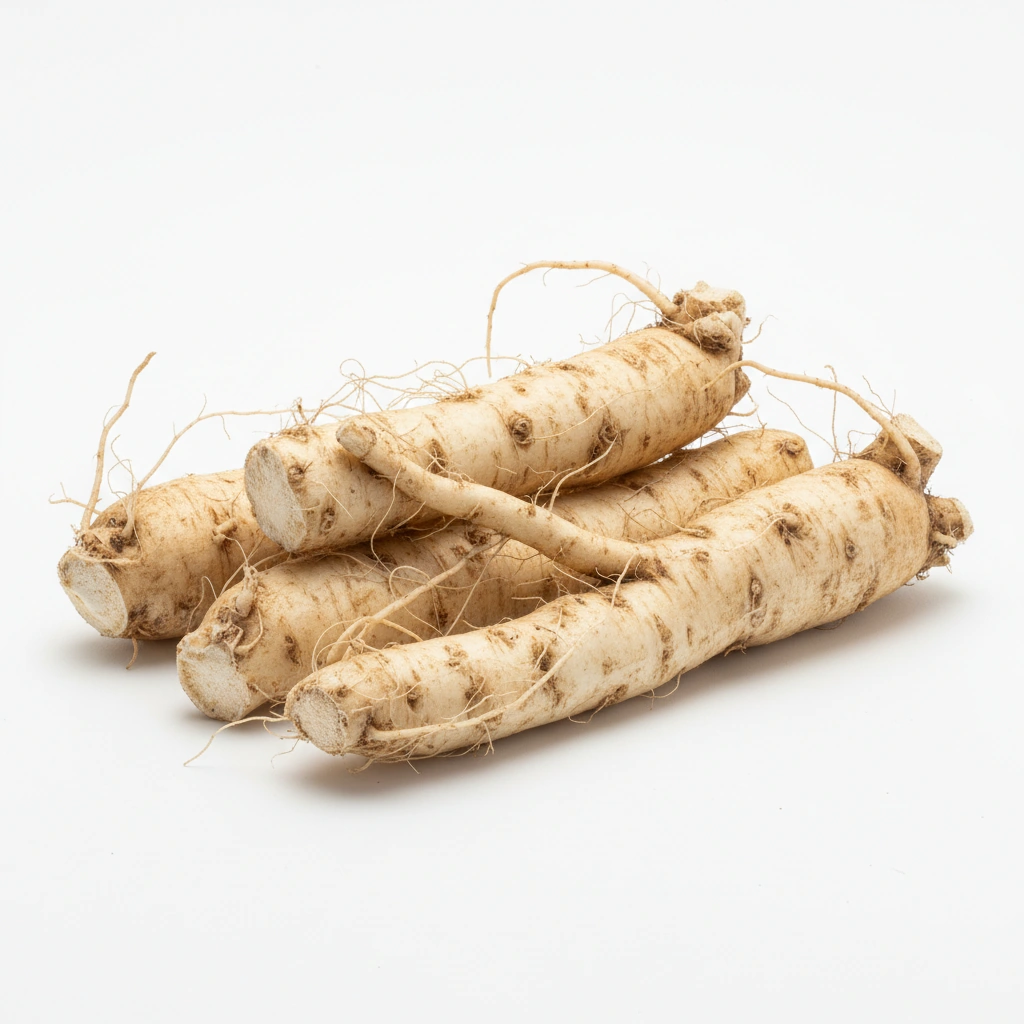
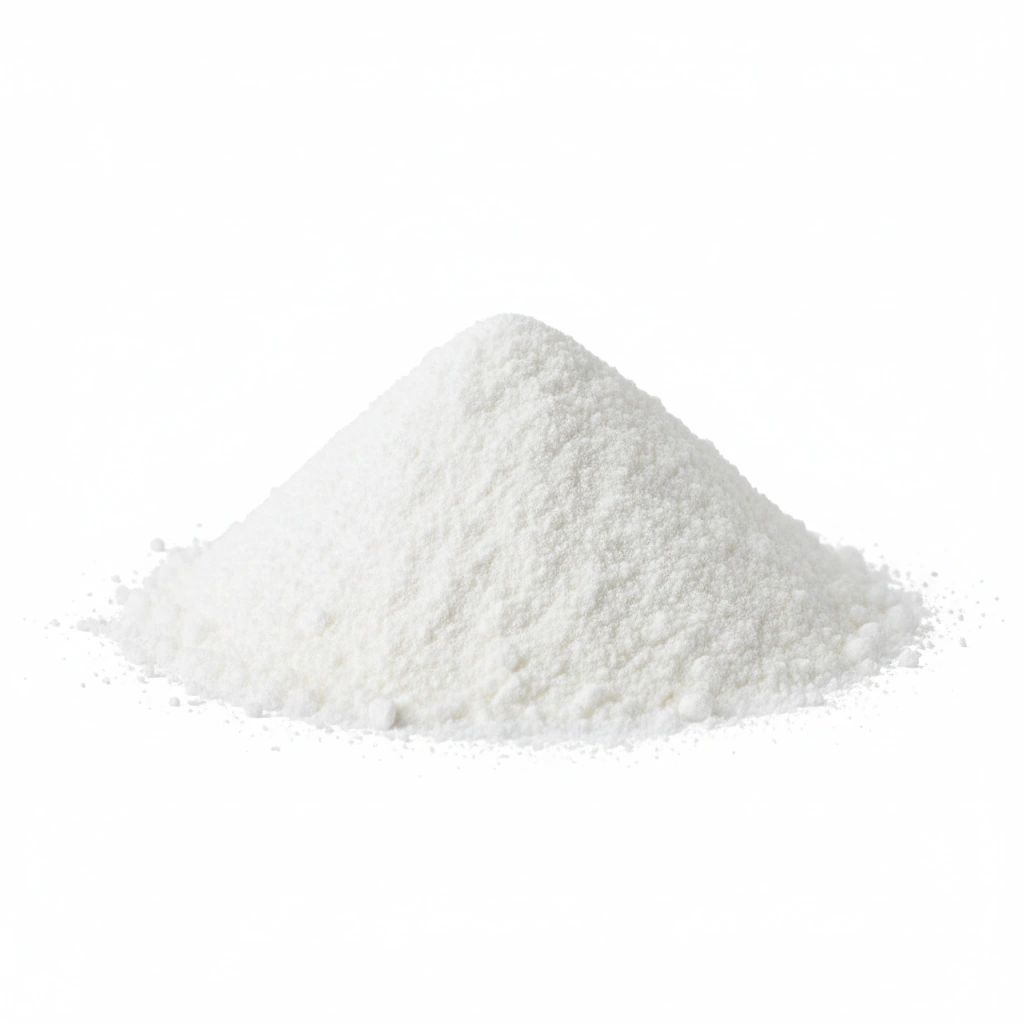
Product Image: For visualization purposes only. All ingredients are supplied as raw materials in bulk form. Available in Botanical Ingredient form.
Marshmallow root powder, derived from Althaea officinalis, is renowned for its high mucilage content, offering significant demulcent and soothing properties. This traditional botanical supports digestive and respiratory mucosal health by forming a protective barrier, making it ideal for formulations aimed at alleviating irritation and promoting overall comfort.
Marshmallow root (Althaea officinalis) is a traditional botanical celebrated for centuries across various cultures, including ancient Egyptian, Greek, and Roman medicine, primarily for its mucilaginous properties. Sourced from the root of the marshmallow plant, a perennial herb native to Europe, North Africa, and Western Asia, this ingredient is carefully processed into a fine powder. The distinctive characteristic of marshmallow root powder is its high concentration of polysaccharides, which form a gel-like substance when mixed with water. This unique composition contributes to its soothing and protective qualities, making it a staple in herbal traditions for supporting mucosal tissues throughout the body. The plant's name, "Althaea," derives from the Greek word "althainein," meaning "to heal," underscoring its historical therapeutic applications. Its mild flavor and texture make it versatile for various supplement formulations.
The primary health benefits of marshmallow root are largely attributed to its mucilage content, which acts as a demulcent. This means it forms a protective layer over mucous membranes, providing soothing relief and reducing irritation. Research indicates that the polysaccharides, such as arabinan, galacturonorhamnans, and glucans, are responsible for this action. For instance, a study published in the *Journal of Ethnopharmacology* highlighted the gastroprotective effects of *Althaea officinalis* extracts, demonstrating their ability to reduce gastric lesions and inflammation. Beyond its demulcent properties, marshmallow root also exhibits mild anti-inflammatory and immunomodulatory effects, potentially supporting the body's natural defense mechanisms. These actions contribute to its traditional use in supporting respiratory and digestive tract health by helping to alleviate discomfort and promote a healthy mucosal barrier.
Marshmallow root powder is a versatile ingredient, commonly incorporated into formulations targeting digestive, respiratory, and skin health. It is frequently found in capsules, powder blends for reconstitution, and even topical preparations due to its soothing properties. When selecting marshmallow root powder, quality considerations are paramount, including ensuring the botanical identity, purity, and standardization of mucilage content. Reputable suppliers often provide Certificates of Analysis (CoAs) verifying the absence of heavy metals, pesticides, and microbial contaminants. Modern scientific investigations continue to validate its traditional uses; for example, a review in *Fitoterapia* discussed its efficacy in alleviating coughs and throat irritation, attributing these effects to its protective mucilage. Its gentle nature makes it suitable for a broad demographic, and it is often combined with other botanicals like slippery elm or licorice root to enhance synergistic effects in soothing formulations.
Discover more ingredients that complement your selection