Low Stock
AGI088S
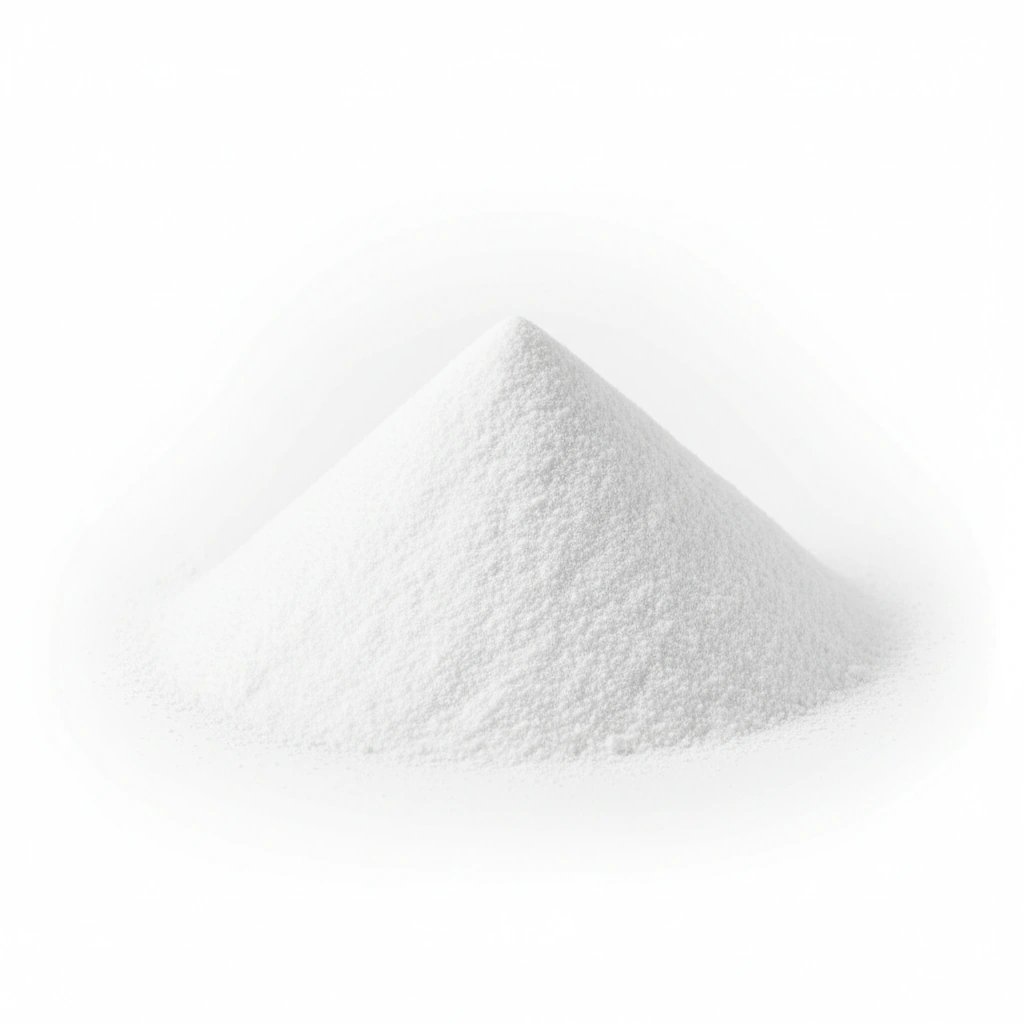
Product Image: For visualization purposes only. All ingredients are supplied as raw materials in bulk form. Available in Other Dietary Claim Ingredient form.
PABA (Para-Aminobenzoic Acid) is a non-protein amino acid often associated with the B-vitamin complex, naturally found in various foods. Valued for its potential to support skin and hair health, PABA also exhibits antioxidant properties, contributing to cellular protection. It is a versatile ingredient, frequently used in formulations targeting dermatological and aesthetic wellness.
Para-Aminobenzoic Acid, commonly known as PABA, is a naturally occurring organic compound frequently classified as a non-protein amino acid and sometimes informally grouped with the B-complex vitamins, though it is not a true vitamin for humans. It is found ubiquitously in various food sources, including whole grains, eggs, milk, yeast, and organ meats, highlighting its natural presence in a balanced diet. PABA serves as a crucial biochemical precursor for the synthesis of folate (folic acid) in bacteria and certain other microorganisms, making it vital for their growth and survival. This role underscores its fundamental importance in metabolic pathways, particularly those involving nucleic acid synthesis and cellular division in these organisms. In the supplement industry, PABA is valued for its diverse potential applications, often provided in a pure powder form to ensure versatility in formulation. Its molecular structure, featuring an amino group and a carboxyl group, contributes to its biological activity and makes it a subject of continued interest in nutritional science.
PABA's purported health benefits are largely associated with its roles in skin and hair health, as well as its antioxidant properties. Mechanistically, PABA has been explored for its potential to support skin integrity and elasticity, possibly by influencing fibroblast function and collagen synthesis. Early research and traditional use suggest its involvement in protecting skin cells from certain environmental stressors, although it is not a primary UV-blocking agent in humans. Furthermore, PABA has historically been investigated for its role in maintaining natural hair pigmentation, with some anecdotal evidence and older studies suggesting a potential benefit in preventing premature graying, possibly by influencing melanin production or protecting hair follicle cells from oxidative damage. As an antioxidant, PABA may help neutralize free radicals, thereby mitigating oxidative stress at a cellular level. While humans do not synthesize folate from PABA in the same manner as bacteria, its metabolic interplay within the broader B-vitamin complex is still a subject of ongoing biochemical interest, potentially influencing cellular processes related to growth and repair.
In supplement formulations, PABA is typically incorporated into products aimed at promoting skin, hair, and nail health, often alongside other B-vitamins, antioxidants, and collagen-supporting ingredients. It is commonly available as a fine powder, allowing for precise dosing in capsules, tablets, or blends. Quality considerations for PABA include ensuring high purity, verified through analytical testing for identity and potency, as well as stringent checks for heavy metals and microbial contaminants to meet industry standards. Scientific research on PABA, while spanning several decades, presents a mixed landscape. Early clinical studies, particularly in the mid-20th century, explored its use for conditions like Peyronie's disease and scleroderma, with some promising but often unreplicated findings. More contemporary research continues to investigate its antioxidant capacity and its potential influence on cellular health, though robust, large-scale human trials are still needed to definitively establish many of its proposed benefits. The evidence base, therefore, relies on a combination of historical use, in vitro studies, and limited human data, guiding its current application in nutritional supplements.
Discover more ingredients that complement your selection