In Stock
JCI-288
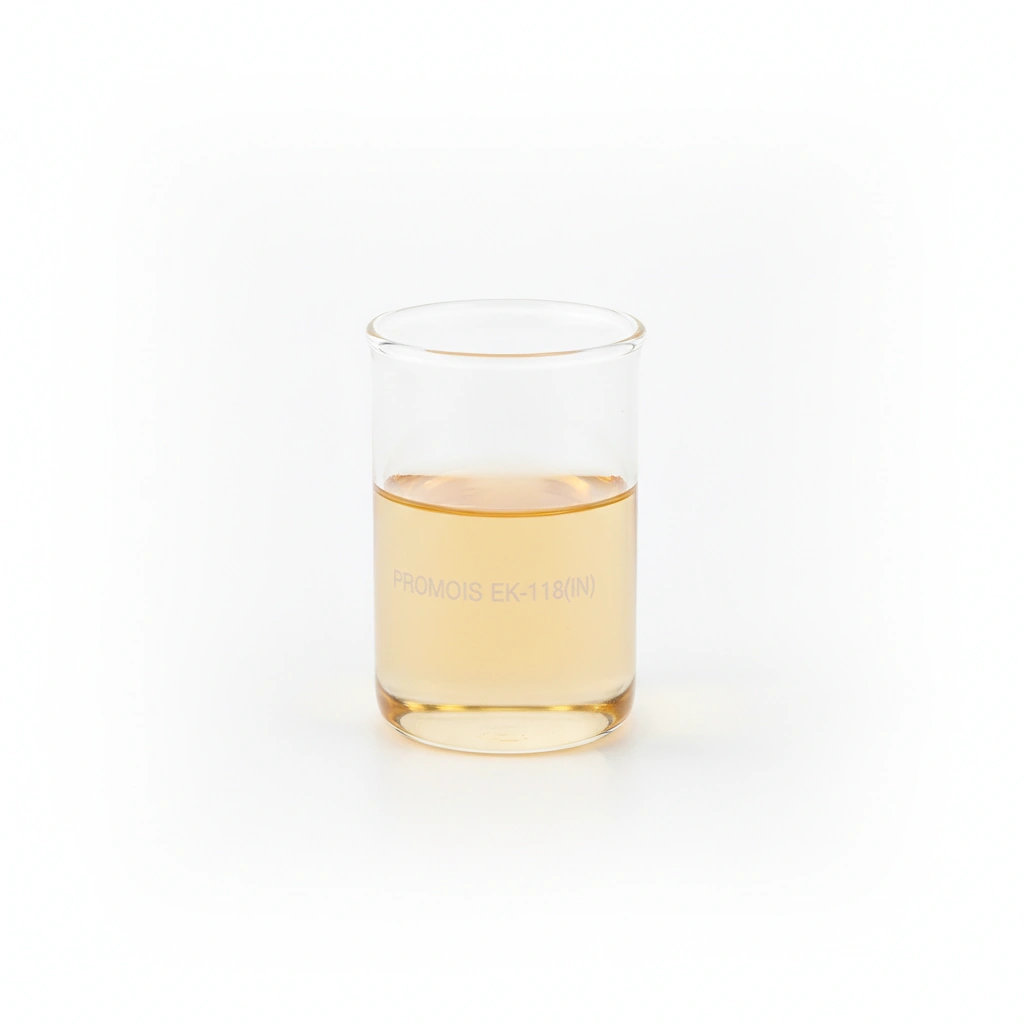
Product Image: For visualization purposes only. All ingredients are supplied as raw materials in bulk form. Available in NON-FOOD Ingredient form.
Phenoxyethanol is a widely used, broad-spectrum synthetic preservative critical for cosmetic and personal care products. It effectively inhibits the growth of bacteria, yeasts, and molds, ensuring product safety, stability, and extended shelf-life by preventing microbial contamination. Its efficacy and compatibility make it a staple in various formulations, protecting consumers from potential health risks associated with spoiled products.
Phenoxyethanol, a globally recognized and widely utilized synthetic glycol ether, serves as a critical broad-spectrum preservative in a vast array of cosmetic and personal care formulations. Chemically identified as 2-phenoxyethanol (C8H10O2), it is characterized by its oily, colorless liquid form and mild rose-like scent, making it aesthetically compatible with diverse product profiles. While naturally occurring in trace amounts in green tea and chicory, the form used commercially is synthetically produced to ensure consistent purity, efficacy, and stability. Its primary function is to inhibit the growth of bacteria, yeasts, and molds, which can otherwise lead to product spoilage, degradation, and potential consumer health risks. Its excellent solubility and stability across a wide pH range make it a versatile choice for maintaining the integrity and safety of water-based cosmetic products. This ingredient is foundational in modern cosmetic science for extending product shelf-life and preventing microbial contamination from both manufacturing processes and consumer use.
The antimicrobial efficacy of Phenoxyethanol stems from its ability to disrupt the cellular membranes of microorganisms, leading to leakage of intracellular components and ultimately inhibiting their growth and reproduction. Research has demonstrated its potent activity against a broad spectrum of common cosmetic spoilage organisms, including Gram-negative bacteria such as *Pseudomonas aeruginosa* and Gram-positive bacteria like *Staphylococcus aureus*, as well as fungi such as *Candida albicans* and *Aspergillus niger*. Studies, including those published in the International Journal of Toxicology, have consistently affirmed its effectiveness at low concentrations, typically between 0.5% and 1.0% in finished products. This mechanism ensures that cosmetic formulations remain microbiologically stable and safe for consumer application throughout their intended shelf-life, preventing the potential for skin irritations or infections that could arise from contaminated products.
In cosmetic formulation, Phenoxyethanol is favored for its compatibility with numerous other ingredients and its minimal impact on product aesthetics. It is commonly incorporated into creams, lotions, shampoos, conditioners, sunscreens, and various makeup products. Regulatory bodies worldwide, including the European Union and the U.S. Food and Drug Administration (FDA) via the Cosmetic Ingredient Review (CIR) Expert Panel, have thoroughly assessed its safety profile. The CIR Expert Panel concluded that phenoxyethanol is safe as a cosmetic ingredient in the present practices of use and concentration, particularly up to 1%. Its role is often complemented by other preservatives to create a robust, synergistic preservative system, ensuring comprehensive protection against a wider range of microbial challenges and enhancing product stability over time. This scientific backing underscores its status as a reliable and indispensable component in ensuring the quality and safety of consumer cosmetic goods.
Discover more ingredients that complement your selection