In Stock
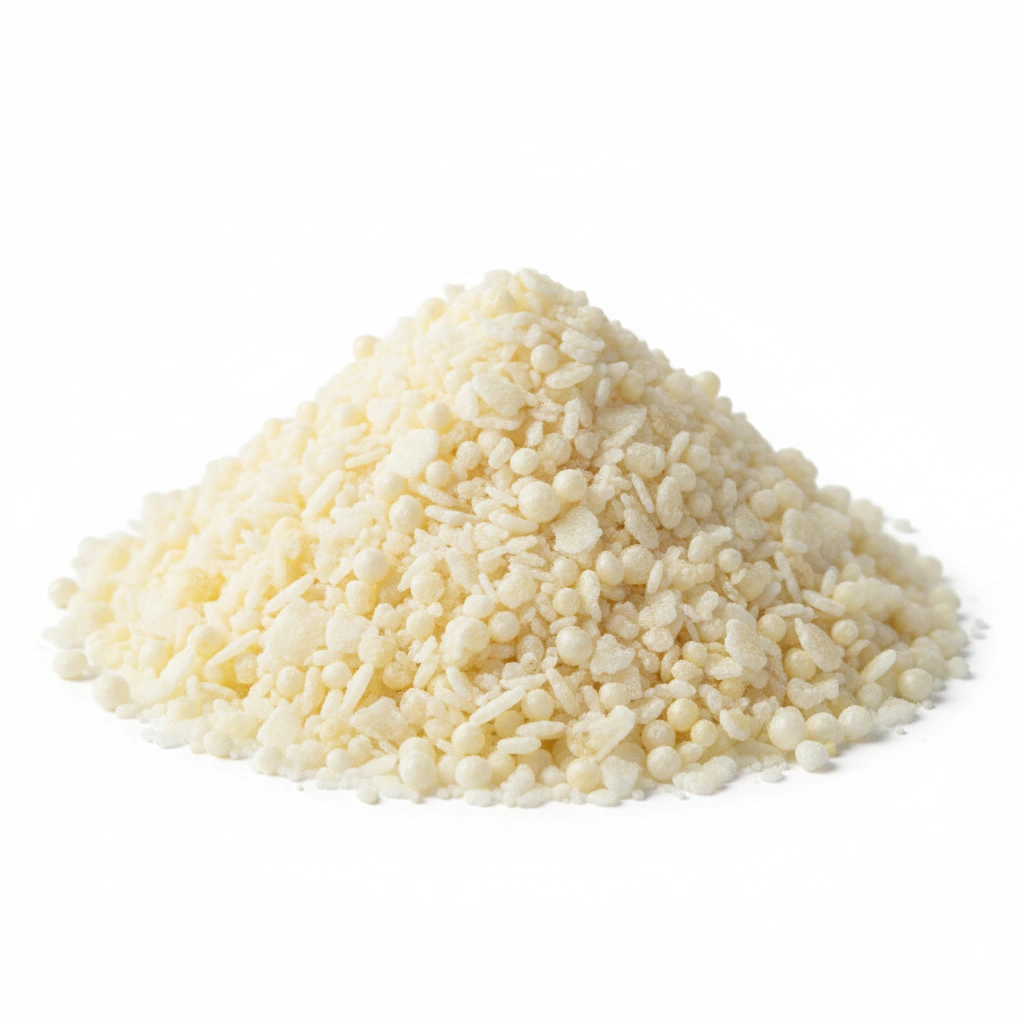
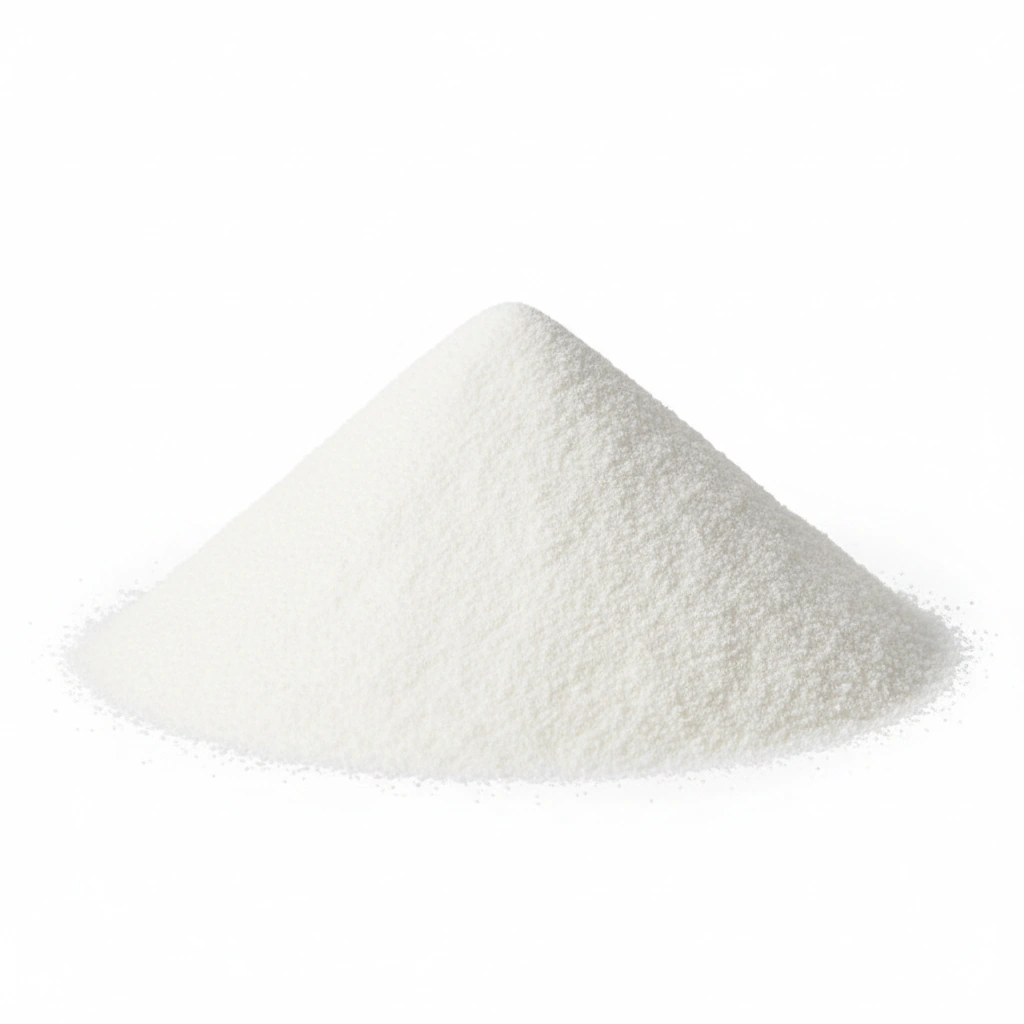
Product Image: For visualization purposes only. All ingredients are supplied as raw materials in bulk form. Available in NON-FOOD Ingredient form.
Tetrasodium EDTA is a powerful chelating agent crucial for enhancing the stability and efficacy of cosmetic and personal care products. By binding to metal ions, it prevents oxidation, maintains product integrity, and improves the performance of cleansing agents in hard water, ensuring longer shelf life and consistent product quality.
Tetrasodium EDTA (Ethylenediaminetetraacetic Acid, Tetrasodium Salt) is a highly effective chelating agent widely utilized across various industries, particularly in personal care and cosmetic formulations. This synthetic amino acid derivative is characterized by its ability to form stable, water-soluble complexes with metal ions, especially calcium, magnesium, and iron. Its chemical structure allows it to bind these multivalent cations, effectively sequestering them and preventing their interaction with other components in a formulation. Typically provided as a white, crystalline powder, Tetrasodium EDTA is highly soluble in water, making it easy to incorporate into aqueous solutions. Its primary function is to enhance product stability, efficacy, and appearance by neutralizing the detrimental effects of trace metal impurities often present in raw materials and water sources. This foundational ingredient ensures consistent performance and extends the shelf life of a wide array of cosmetic products.
The chelating action of Tetrasodium EDTA confers several significant benefits to cosmetic formulations. By binding metal ions, it prevents metal-catalyzed oxidation, a common pathway for degradation of sensitive ingredients like fragrances, oils, and vitamins. This helps to maintain product integrity, preventing discoloration, rancidity, and loss of potency over time. Furthermore, in products like shampoos, soaps, and cleansers, Tetrasodium EDTA softens hard water by sequestering calcium and magnesium ions. This action allows surfactants to lather more effectively and rinse cleanly, improving the sensory experience and performance of cleansing products. Research has shown that the inclusion of chelating agents like EDTA can significantly boost the efficacy of preservative systems by depriving microorganisms of essential metal ions required for their growth and survival, thereby allowing for lower concentrations of traditional preservatives.
Tetrasodium EDTA is a staple in the formulation of creams, lotions, shampoos, conditioners, and liquid soaps due to its versatile stabilizing properties. When selecting this ingredient, formulators prioritize high purity grades suitable for cosmetic applications, ensuring minimal impurities that could impact final product quality. Regulatory bodies worldwide, including the Cosmetic Ingredient Review (CIR) Expert Panel, have reviewed the safety of EDTA and its salts, concluding that they are safe for use in cosmetics at current practices and concentrations. Typical inclusion rates range from 0.1% to 0.5%, sufficient to achieve desired chelating effects without adverse reactions. Its compatibility with a broad spectrum of cosmetic ingredients and its non-sensitizing profile at recommended levels make it an invaluable component for ensuring product quality, stability, and consumer safety in modern personal care products.
Discover more ingredients that complement your selection