Low Stock
ORF000P
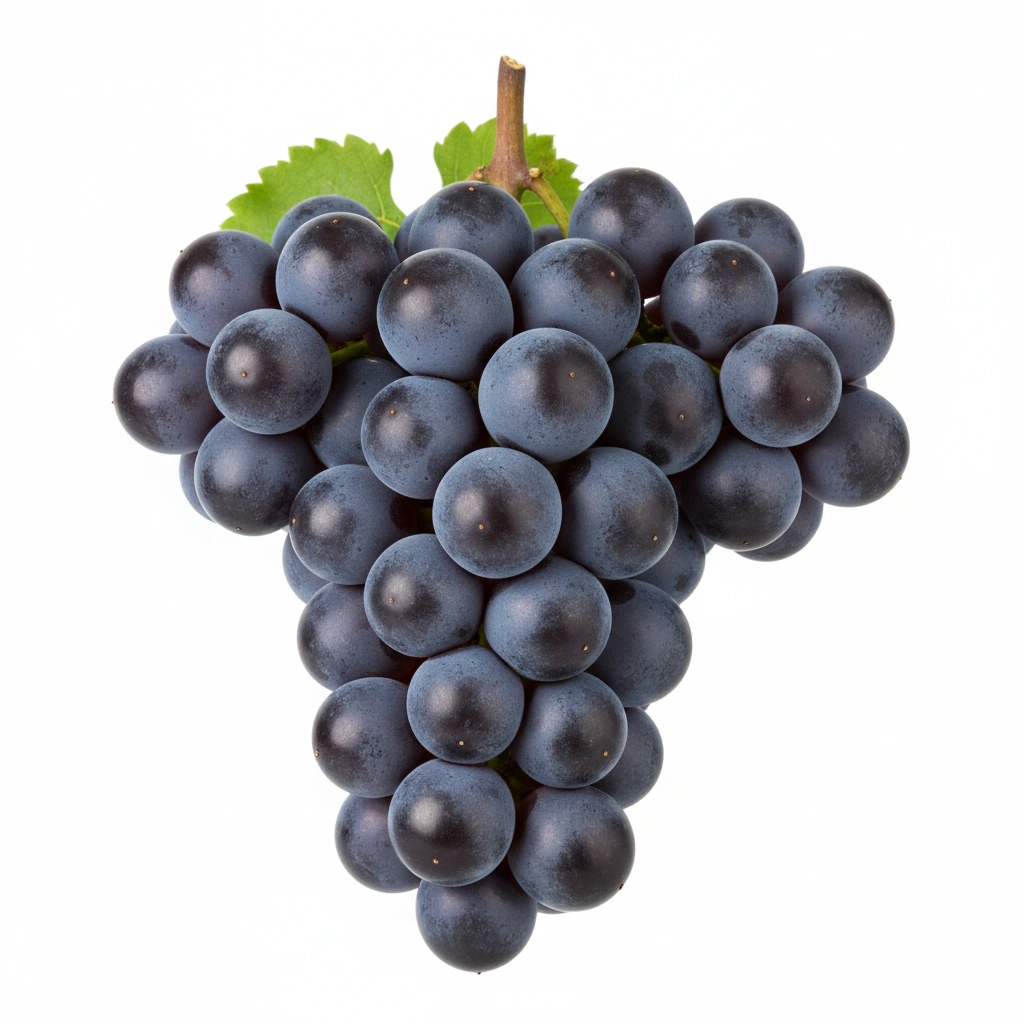
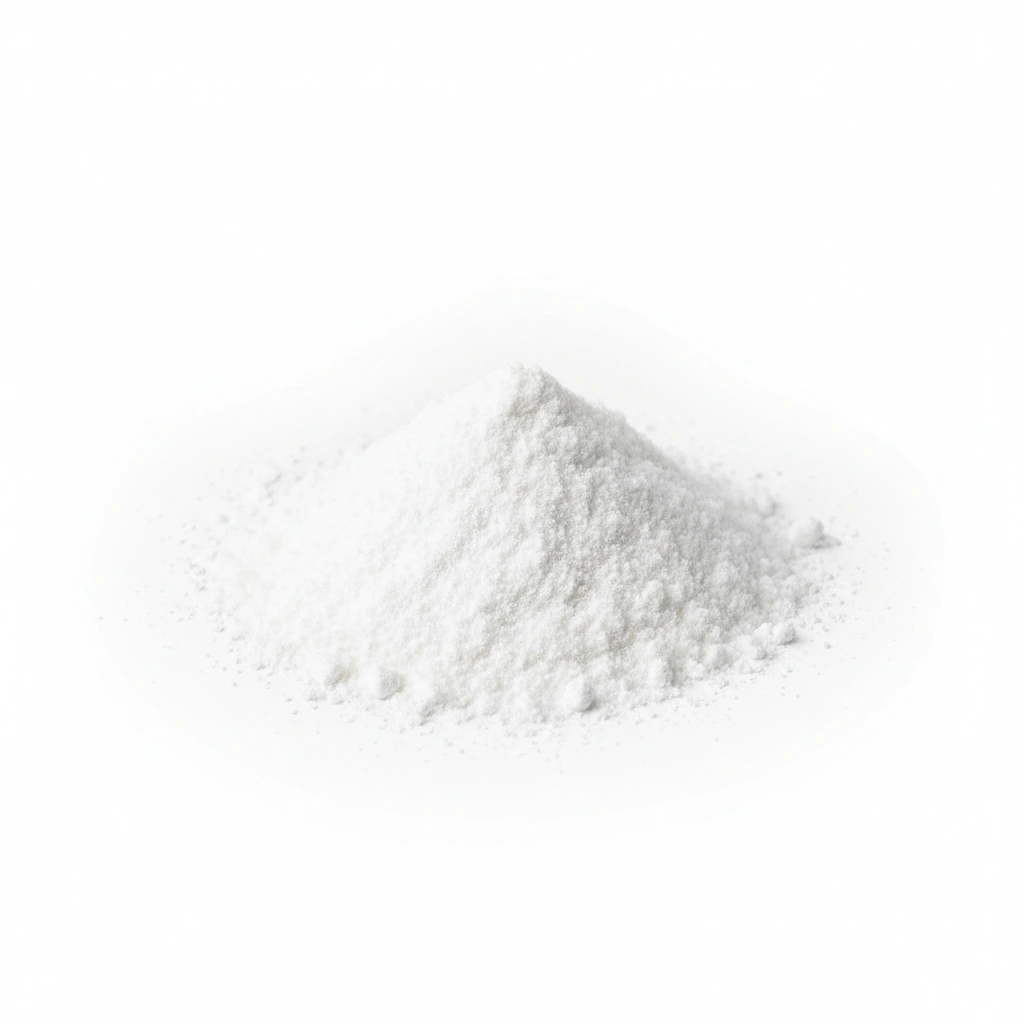
Product Image: For visualization purposes only. All ingredients are supplied as raw materials in bulk form. Available in Other Dietary Claim Ingredient form.
Tartaric acid is a naturally occurring alpha-hydroxy organic acid found abundantly in fruits like grapes, serving as a highly effective acidulant, chelating agent, and flavor enhancer. It is widely utilized in supplement formulations to stabilize pH, improve palatability, and act as an antioxidant synergist, supporting product integrity and bioavailability. Its multifaceted properties make it an invaluable ingredient for diverse applications.
Tartaric acid, a naturally occurring alpha-hydroxy carboxylic acid, is widely recognized for its presence in numerous fruits, most notably grapes, tamarinds, and citrus fruits. It is a white, crystalline organic acid, often found in its L-(+)-tartaric acid enantiomeric form, which is the biologically active isomer. Historically, tartaric acid has been isolated as a byproduct of winemaking, where it precipitates as potassium bitartrate (cream of tartar) during fermentation. Its unique chemical structure, featuring two carboxyl groups and two hydroxyl groups, contributes to its distinct tart taste and excellent chelating properties. This makes it a versatile ingredient, valued not only in the food and beverage industry as an acidulant, flavor enhancer, and preservative but also in various industrial and pharmaceutical applications. Its natural origin and functional attributes position it as a foundational organic acid in diverse formulations.
Beyond its culinary applications, tartaric acid exhibits several functional properties relevant to human physiology and supplement formulations. Research indicates its potential role as an antioxidant synergist, enhancing the efficacy of other antioxidants by chelating metal ions that can catalyze oxidative reactions. Studies, such as those published in the Journal of Agricultural and Food Chemistry, have explored its ability to scavenge free radicals, albeit indirectly, by supporting the stability of other antioxidant compounds. Furthermore, tartaric acid plays a role in digestive processes by influencing gastric pH, which can impact nutrient absorption and enzyme activity. Its presence can subtly modify the environment of the gastrointestinal tract, potentially aiding in the breakdown of food components. This multifaceted interaction with biological systems underscores its importance not merely as an inert acidulant but as a compound with broader metabolic implications, contributing to the overall stability and bioavailability of various nutrients in the diet.
In supplement formulations, tartaric acid serves multiple critical functions, primarily as an acidulant, buffering agent, and chelating agent. Its ability to lower and stabilize pH is invaluable for product stability, preserving the integrity of sensitive active ingredients and extending shelf life, particularly in liquid or effervescent formulations. Manufacturers frequently utilize tartaric acid to achieve specific flavor profiles, imparting a characteristic tartness that can enhance palatability. Quality considerations are paramount; suppliers should adhere to stringent standards such as USP (United States Pharmacopeia) or FCC (Food Chemicals Codex) to ensure purity and identity, free from heavy metals or contaminants. Scientific investigations into its use, for instance in pharmaceutical excipients, demonstrate its consistent performance in controlled release mechanisms and as a dissolution enhancer. Its synergy with other ingredients, such as ascorbic acid, in enhancing antioxidant capacity further solidifies its role as a versatile and scientifically supported component in high-quality nutritional supplements.
Discover more ingredients that complement your selection