In Stock
CAF000P
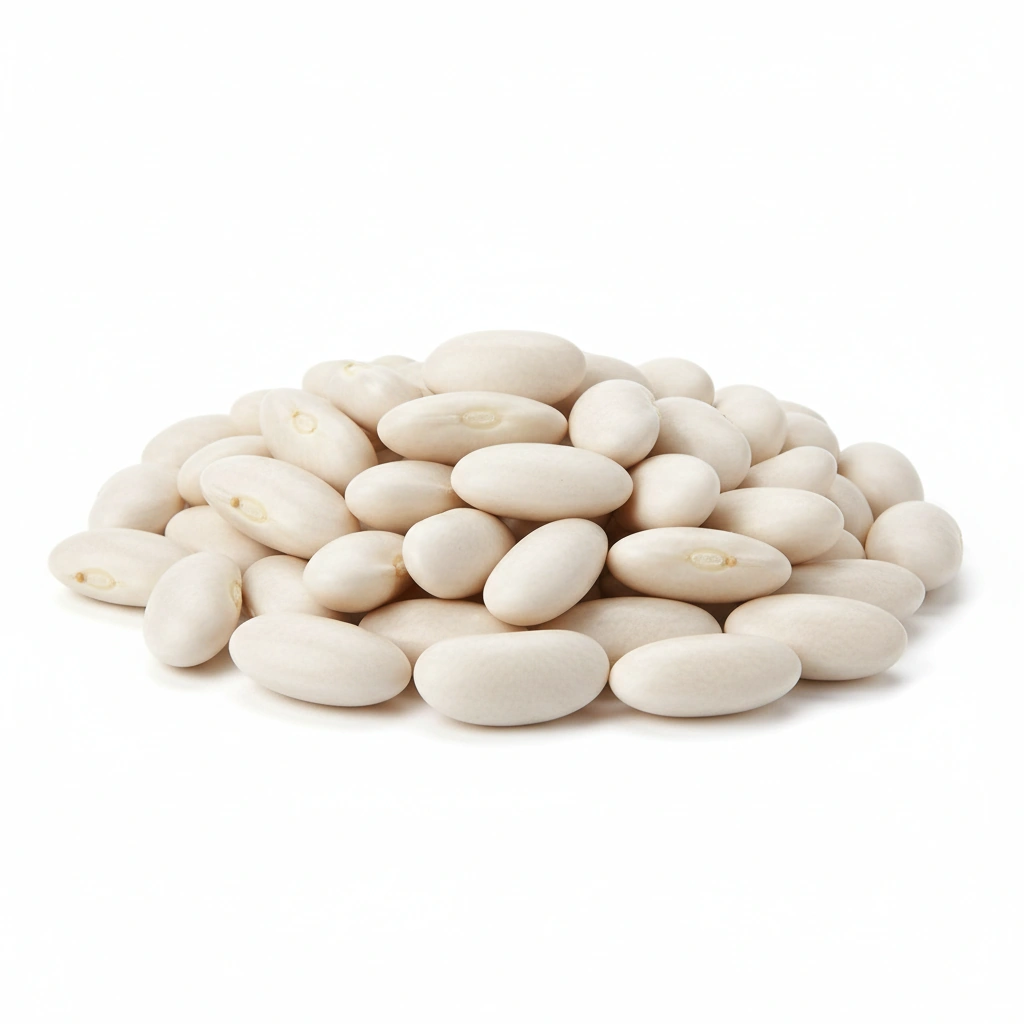
Product Image: For visualization purposes only. All ingredients are supplied as raw materials in bulk form. Available in Botanical Ingredient form.
White Kidney Bean (Phaseolus vulgaris) powder is a natural ingredient known for its alpha-amylase inhibiting properties, which help reduce the digestion and absorption of dietary starches. This makes it a valuable supplement for weight management and supporting healthy blood sugar levels, derived from carefully processed common bean seeds.
White Kidney Bean (Phaseolus vulgaris) powder is derived from the seeds of the common bean plant, a widely cultivated legume with a rich history in traditional diets across the Americas and Europe. This ingredient is meticulously processed from mature beans, ensuring the preservation of its inherent bioactive compounds. Known for its neutral flavor profile and fine texture, white kidney bean powder is a versatile raw material in the supplement industry. Its primary characteristic lies in its unique ability to influence carbohydrate metabolism, making it a subject of considerable scientific interest. The processing typically involves drying and grinding the raw beans into a fine powder, often through methods designed to concentrate its active constituents while maintaining stability and bioavailability. This natural extract offers a plant-based solution for various health applications, leveraging centuries of traditional use supported by modern scientific inquiry into its mechanisms of action.
The key health benefits of White Kidney Bean powder are largely attributed to its content of alpha-amylase inhibitors, a class of glycoproteins often referred to as Phaseolamin. This compound acts by temporarily neutralizing the activity of alpha-amylase, an enzyme produced in the pancreas and salivary glands responsible for breaking down complex carbohydrates into simpler sugars in the digestive tract. By inhibiting this enzyme, Phaseolamin reduces the rate at which starches are digested and absorbed, thereby lessening the post-prandial glucose response. This mechanism has been extensively studied for its potential role in weight management, as it can reduce the caloric impact of starchy foods. Furthermore, by moderating glucose absorption, it may contribute to better blood sugar balance, a crucial aspect of metabolic health. The undigested carbohydrates then pass into the large intestine, where they can act as a prebiotic fiber, supporting gut microbiota.
White Kidney Bean powder is widely utilized in dietary supplement formulations targeting weight management, blood sugar support, and metabolic health. It is commonly incorporated into capsules, tablets, and powdered drink mixes, often alongside other ingredients like chromium, gymnema sylvestre, or soluble fibers to create synergistic effects. Quality considerations are paramount, with standardized extracts often preferred to ensure a consistent concentration of alpha-amylase inhibitors. Research, including randomized, placebo-controlled clinical trials, has demonstrated the efficacy of Phaseolus vulgaris extract in reducing body weight and fat mass, as well as decreasing the absorption of dietary starches. A meta-analysis published in the journal "Obesity" in 2007, for instance, reviewed several studies and concluded that Phaseolus vulgaris extract produced significant decreases in body weight and fat mass in human subjects. Further studies have corroborated its effect on postprandial glycemia, reinforcing its role as an evidence-based ingredient for carbohydrate metabolism support.
Discover more ingredients that complement your selection