In Stock
SCF000P
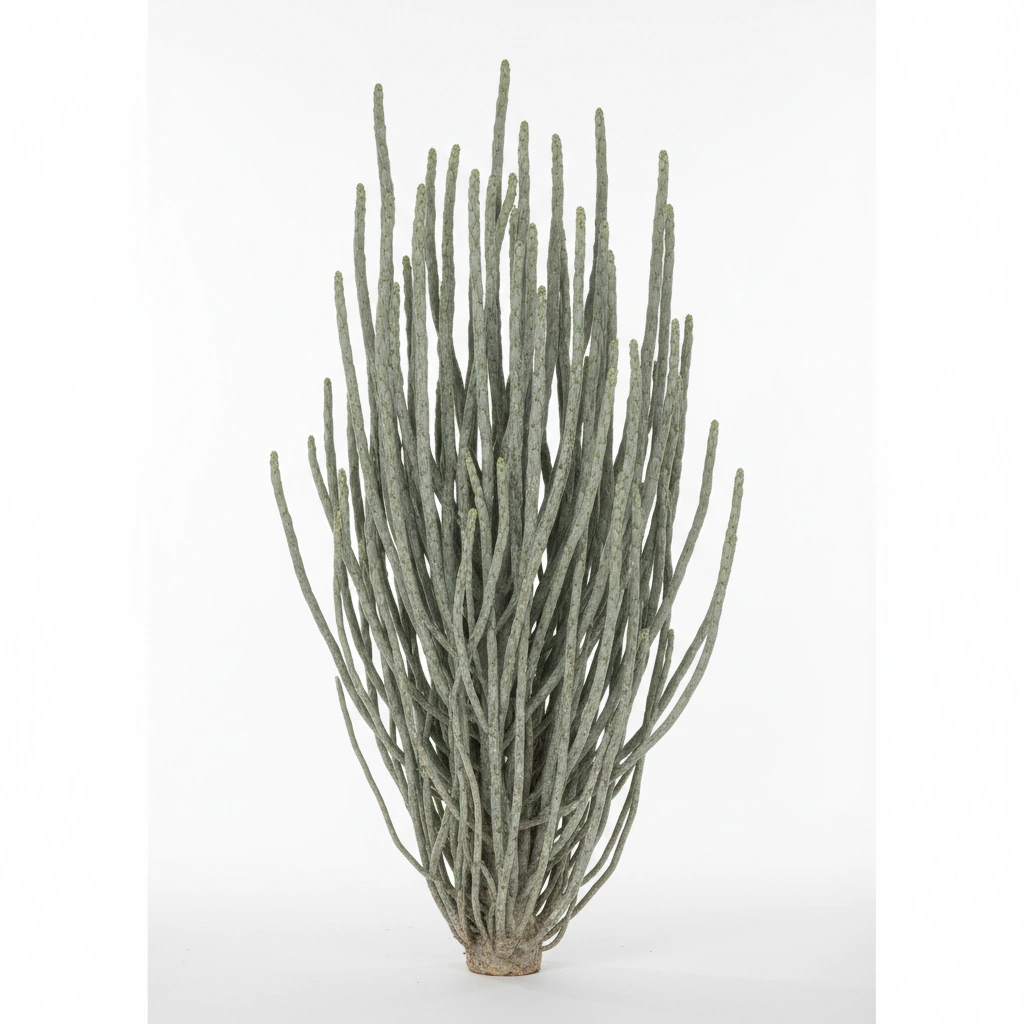
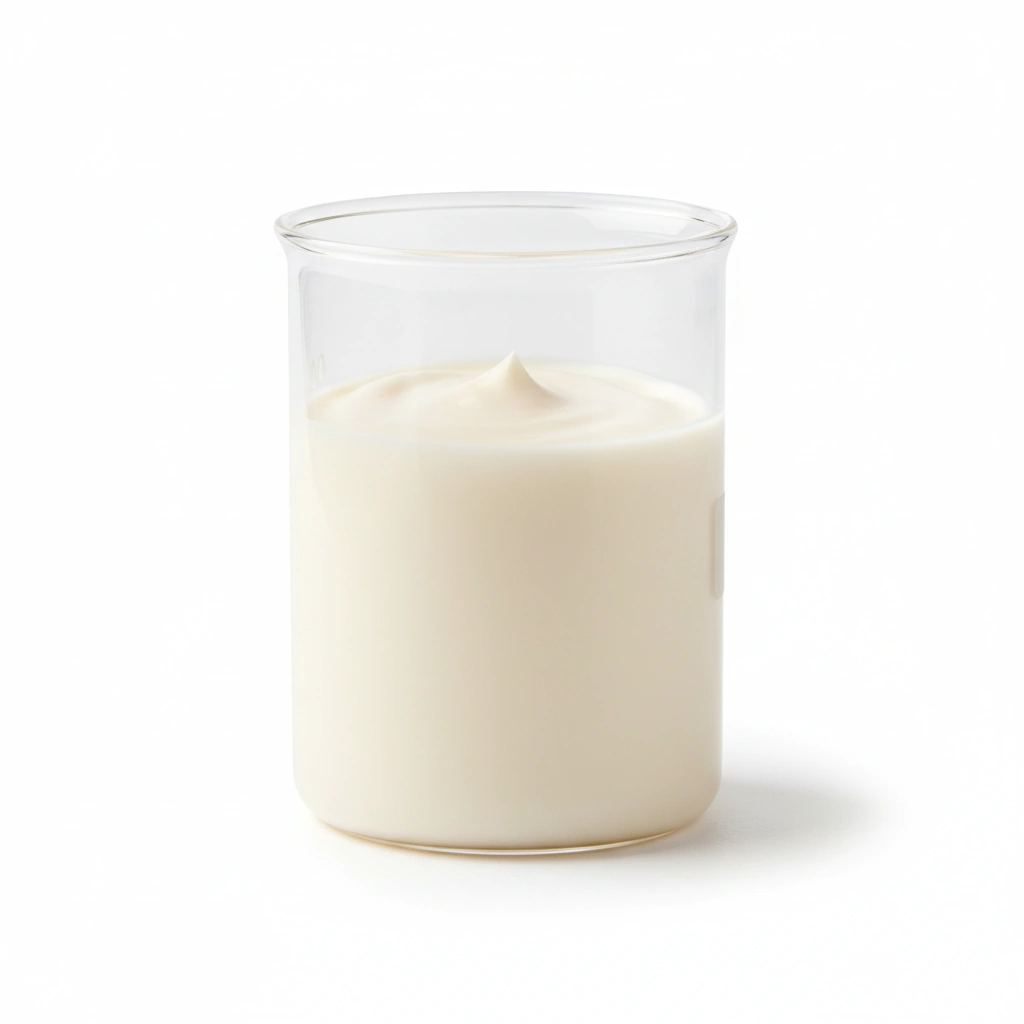
Product Image: For visualization purposes only. All ingredients are supplied as raw materials in bulk form. Available in Botanical Ingredient form.
Candelilla wax, derived from the Euphorbia antisyphilitica plant, is a versatile, natural vegetable wax prized for its functional properties as an excipient and film-former. It acts as an effective binding agent, protective coating, and emulsifier in supplement and cosmetic formulations, supporting product stability and integrity. Its inert, non-comedogenic nature also makes it valuable for skin barrier support.
Candelilla wax is a natural vegetable wax derived from the leaves and stems of the Euphorbia antisyphilitica shrub, native to the Chihuahuan Desert region of northern Mexico and the southwestern United States. This hardy plant produces a protective waxy coating to minimize water loss in its arid environment. The wax is traditionally harvested by boiling the plant material in water, allowing the wax to melt and rise to the surface, where it is then skimmed off and processed. It presents as a hard, brittle, yellowish-brown substance, possessing a characteristic odorless and tasteless profile. Chemically, candelilla wax is a complex blend of hydrocarbons, primarily n-alkanes (ranging from C29 to C33), along with esters, free fatty acids, and resins. This unique composition gives it distinct physical properties, making it a valuable ingredient across various industries, including supplements, food, and cosmetics. Its historical use by indigenous cultures often involved waterproofing and creating protective layers.
While not a source of direct nutritional compounds, Candelilla wax offers several functional benefits, particularly in topical and ingestible formulations. Its primary mechanism of action involves forming a protective, non-occlusive film. When applied to the skin, this film helps reduce transepidermal water loss (TEWL), thereby supporting skin hydration and barrier integrity. Research in dermatology often highlights its role as an effective emollient, contributing to smoother skin texture and protection against environmental stressors without being comedogenic. In supplement formulations, its inert nature makes it an excellent excipient. Its molecular structure also enables it to act as a stabilizer and emulsifier, preventing the separation of oil and water phases in complex mixtures, which is crucial for maintaining product consistency and efficacy. Unlike active botanical extracts, the benefits of candelilla wax stem from its physical properties and inertness, making it a versatile and safe component.
Candelilla wax finds extensive application in supplement formulations as a versatile excipient. It is commonly utilized as a binding agent in tablets, a protective coating for capsules, and a matrix former for controlled-release drug delivery systems, leveraging its stability and inertness within the gastrointestinal tract. In the food industry, it serves as a glazing agent for confectionery and a component in chewing gum bases, approved under the European food additive code E902, with safety affirmed by regulatory bodies like the European Food Safety Authority (EFSA). Quality considerations are paramount, focusing on ensuring purity from heavy metals, pesticides, and other contaminants, alongside consistent melting point and hardness for reliable manufacturing. Scientific studies, such as those published in the Journal of Controlled Release, investigate its efficacy in modulating drug dissolution profiles, demonstrating its robust film-forming capabilities. The inertness and stability of candelilla wax are key to its wide acceptance and regulatory approval for both ingestible and topical applications, underscoring its functional utility based on extensive safety assessments.
Discover more ingredients that complement your selection