In Stock
HIB000P
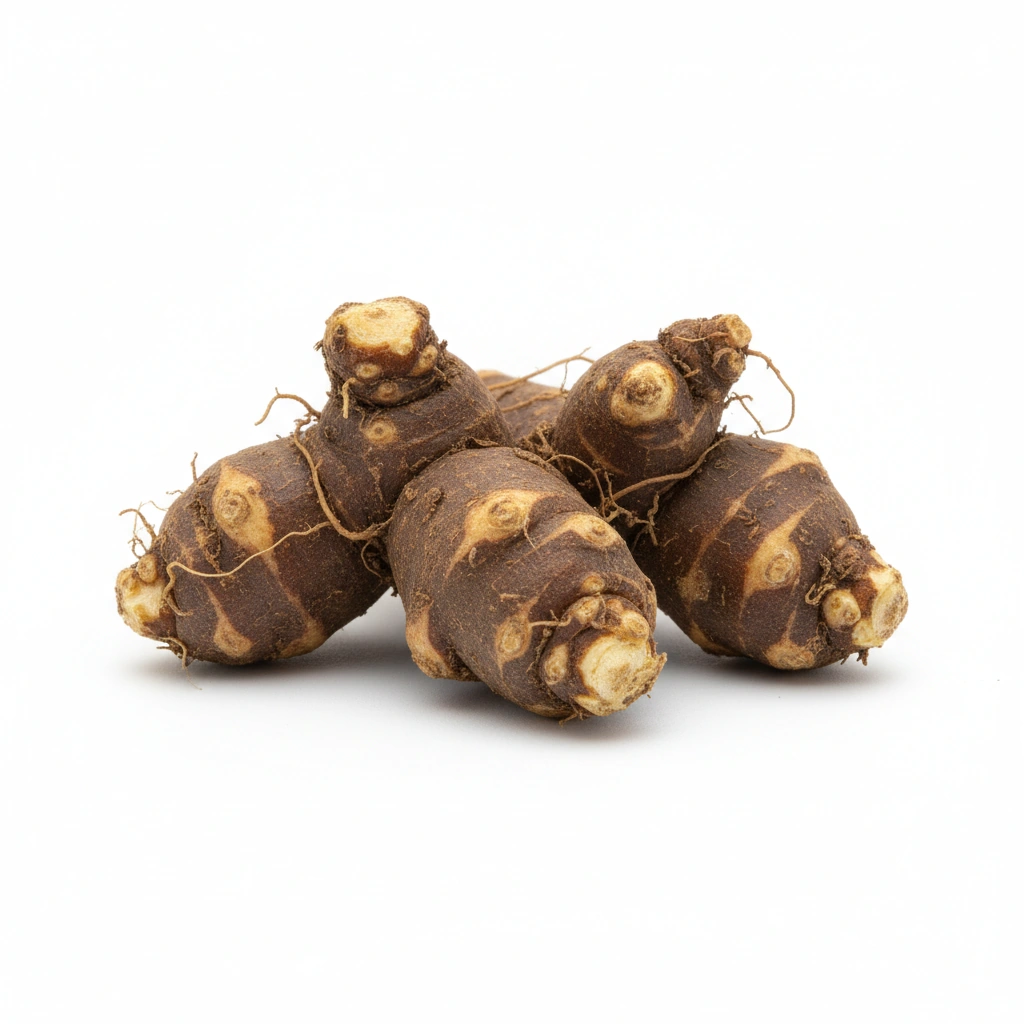
Product Image: For visualization purposes only. All ingredients are supplied as raw materials in bulk form. Available in Botanical Ingredient form.
This Corydalis (Corydalis lutea) 4:1 rhizome extract offers a concentrated source of beneficial isoquinoline alkaloids like dehydrocorybulbine and tetrahydropalmatine. Traditionally valued for its properties, this extract is utilized for its potential to support discomfort management and promote a sense of calm and relaxation. It serves as a potent, standardized ingredient for various natural wellness and dietary supplement applications.
Corydalis, specifically *Corydalis lutea*, is a flowering plant renowned for its rhizomatous roots. While *Corydalis yanhusuo* is more commonly recognized in Traditional Chinese Medicine (TCM) for its pain-relieving properties, *Corydalis lutea* shares similar phytochemical profiles and possesses a history of use in European herbal traditions for analogous purposes. The 4:1 extract ratio signifies that four parts of the raw rhizome yield one part of the concentrated extract, significantly enhancing the potency of its beneficial compounds. This concentration method ensures a higher density of the active constituents compared to a simple powdered herb. The rhizome, being the underground stem, is the primary site where the most significant secondary metabolites accumulate, making it the preferred source for high-quality medicinal extracts. Careful harvesting and precise extraction processes are paramount to preserve the integrity and efficacy of these sensitive compounds, ensuring a superior ingredient for supplement formulations.
The primary health benefits of Corydalis are largely attributed to its rich array of isoquinoline alkaloids, particularly compounds such as dehydrocorybulbine (DHCB), tetrahydropalmatine (THP), and protopine. Scientific research indicates that DHCB may interact with dopamine receptors, potentially influencing pain perception pathways in the central nervous system. THP, another significant alkaloid, has been extensively studied for its potential analgesic and sedative properties, with preclinical studies suggesting it can modulate neurotransmitter systems, including dopamine and serotonin, which contributes to its purported effects on discomfort and mood. Furthermore, some studies suggest that these alkaloids may exhibit anti-inflammatory properties by inhibiting certain inflammatory mediators, though more human clinical trials are needed to fully elucidate these specific mechanisms. The synergistic action of these diverse alkaloids is believed to be responsible for the holistic effects observed in traditional applications.
Corydalis 4:1 rhizome extract is increasingly being incorporated into modern supplement formulations targeting discomfort management, stress reduction, and sleep support. Its concentrated form makes it highly suitable for various delivery methods, including capsules, tablets, and powdered blends. Quality control is of utmost importance, involving rigorous testing for alkaloid content standardization to ensure consistent potency and purity, as well as comprehensive screening for heavy metals, pesticides, and microbial contaminants. Emerging scientific research, including both *in vitro* and preclinical studies, continues to explore the specific pharmacological activities of its isolated compounds and whole extracts. For instance, studies have investigated THP's potential to reduce neuropathic pain in animal models by affecting central nervous system pathways. While extensive human clinical evidence is still developing, the long history of traditional use, coupled with ongoing phytochemical and pharmacological research, supports its potential as a valuable ingredient in natural health products, positioning it as an area of growing interest in natural discomfort and mood support solutions.
Discover more ingredients that complement your selection