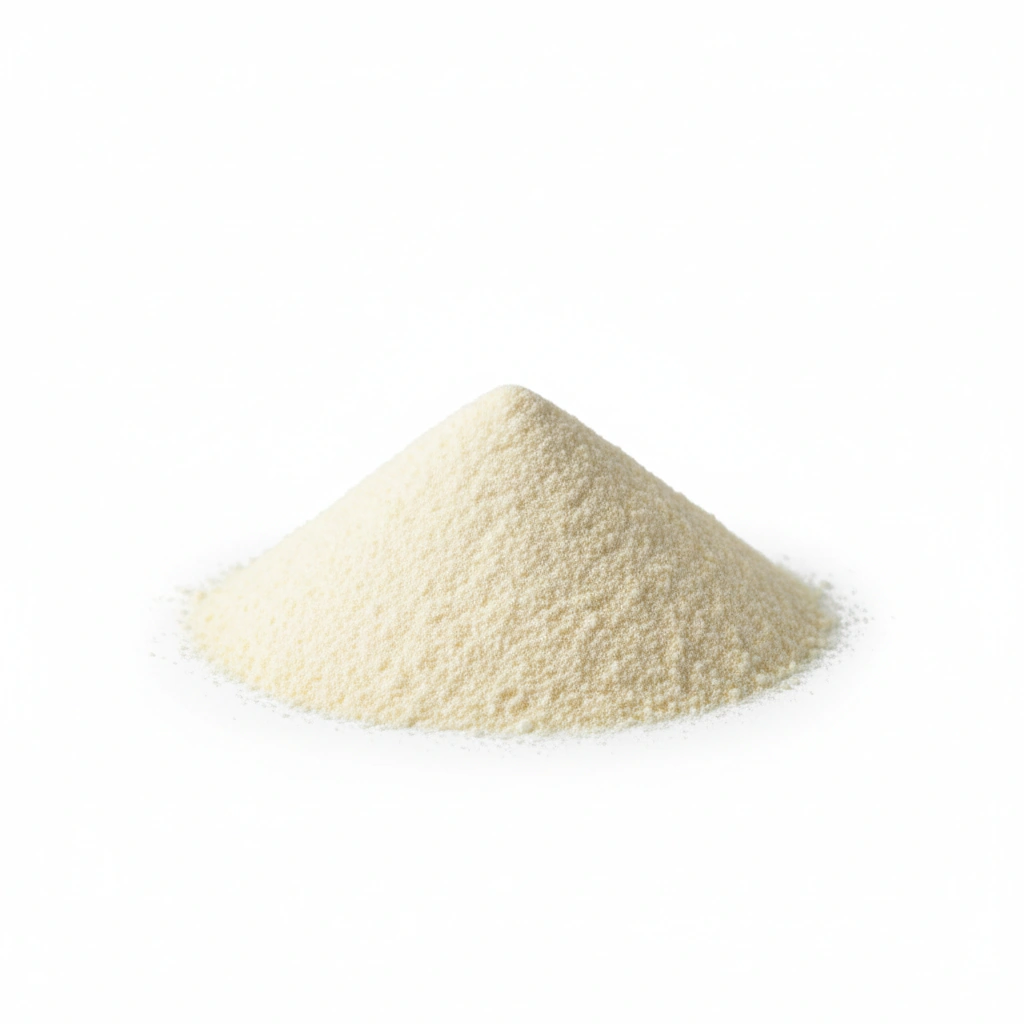
In Stock

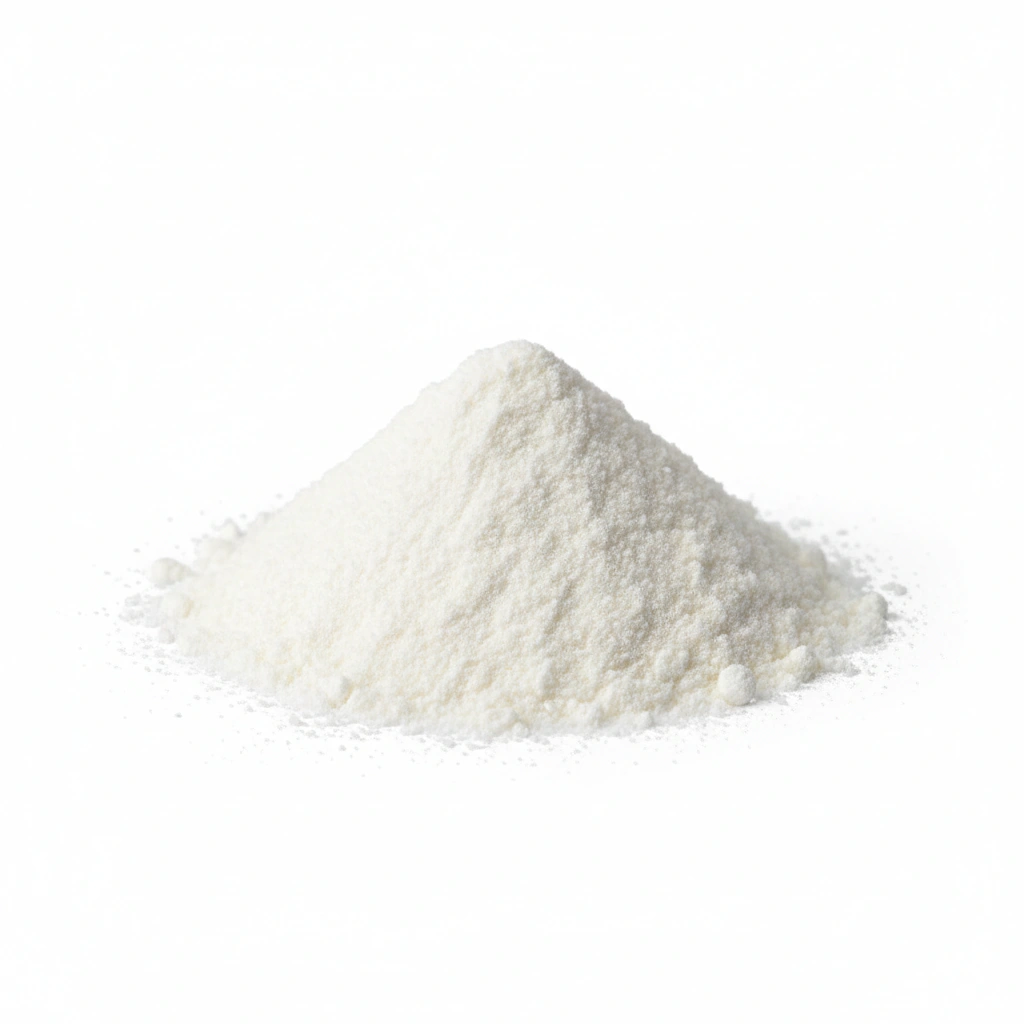
Product Image: For visualization purposes only. All ingredients are supplied as raw materials in bulk form. Available in NON-FOOD Ingredient form.
Fenbendazole is a well-characterized benzimidazole anthelmintic compound, widely recognized in veterinary medicine for its potent efficacy against a broad spectrum of internal parasites. Its primary mechanism involves binding to beta-tubulin, thereby inhibiting microtubule polymerization and disrupting critical cellular functions in target organisms. This established pharmacological action has also positioned fenbendazole as a subject of significant scientific investigation, with preclinical research exploring its diverse cellular effects.
Fenbendazole is a synthetic benzimidazole carbamate derivative, widely recognized within veterinary pharmacology for its potent anthelmintic properties. As a broad-spectrum antiparasitic agent, it is extensively utilized across various animal species, including livestock, companion animals, and exotic species, to combat a range of gastrointestinal and respiratory nematodes, as well as certain cestodes. Its chemical structure, characterized by a methyl 5-(phenylthio)-1H-benzimidazole-2-carbamate core, contributes to its stability and efficacy. This crystalline powder is distinguished by its low solubility in water, a characteristic that influences its bioavailability and sustained action within the gastrointestinal tract of treated animals, facilitating targeted delivery to parasitic organisms. The established safety profile and effectiveness of fenbendazole have made it a cornerstone in veterinary parasite control programs globally, underscoring its importance as a pharmacologically active compound.
The anthelmintic efficacy of fenbendazole is primarily mediated through its selective binding to beta-tubulin, a crucial protein component of microtubules in parasitic cells. This binding action disrupts the polymerization of tubulin, leading to the inhibition of microtubule formation. Consequently, vital cellular processes such as glucose uptake, nutrient transport, and cell division are severely impaired in susceptible parasites. Research has demonstrated that this disruption results in energy depletion and eventual death of the parasites. Beyond its established anthelmintic role, preclinical studies have explored fenbendazole's broader biological activities. For instance, in vitro and in vivo investigations have examined its potential to modulate cellular proliferation and exert effects on glucose metabolism in various cell lines, suggesting a more complex pharmacological profile that extends beyond its primary antiparasitic action. These studies contribute to a growing body of scientific literature on benzimidazole compounds.
In supplement and research contexts, high-purity fenbendazole powder is valued for its consistent pharmacological properties and well-defined chemical identity, essential for rigorous scientific investigation. Its application in research often involves exploring its mechanisms of action in diverse biological systems, particularly in studies investigating cellular dynamics and metabolic pathways. Quality assurance for fenbendazole, whether for veterinary pharmaceutical use or research-grade material, necessitates stringent analytical testing to confirm purity, potency, and the absence of contaminants. This includes techniques such as High-Performance Liquid Chromatography (HPLC) to quantify the active compound and ensure compliance with pharmacopoeial standards. The extensive body of research detailing its efficacy against parasites, coupled with emerging preclinical insights into its cellular effects, positions fenbendazole as a significant compound for continued scientific inquiry into its full spectrum of biological interactions and potential applications.
Discover more ingredients that complement your selection