In Stock
JCI-044
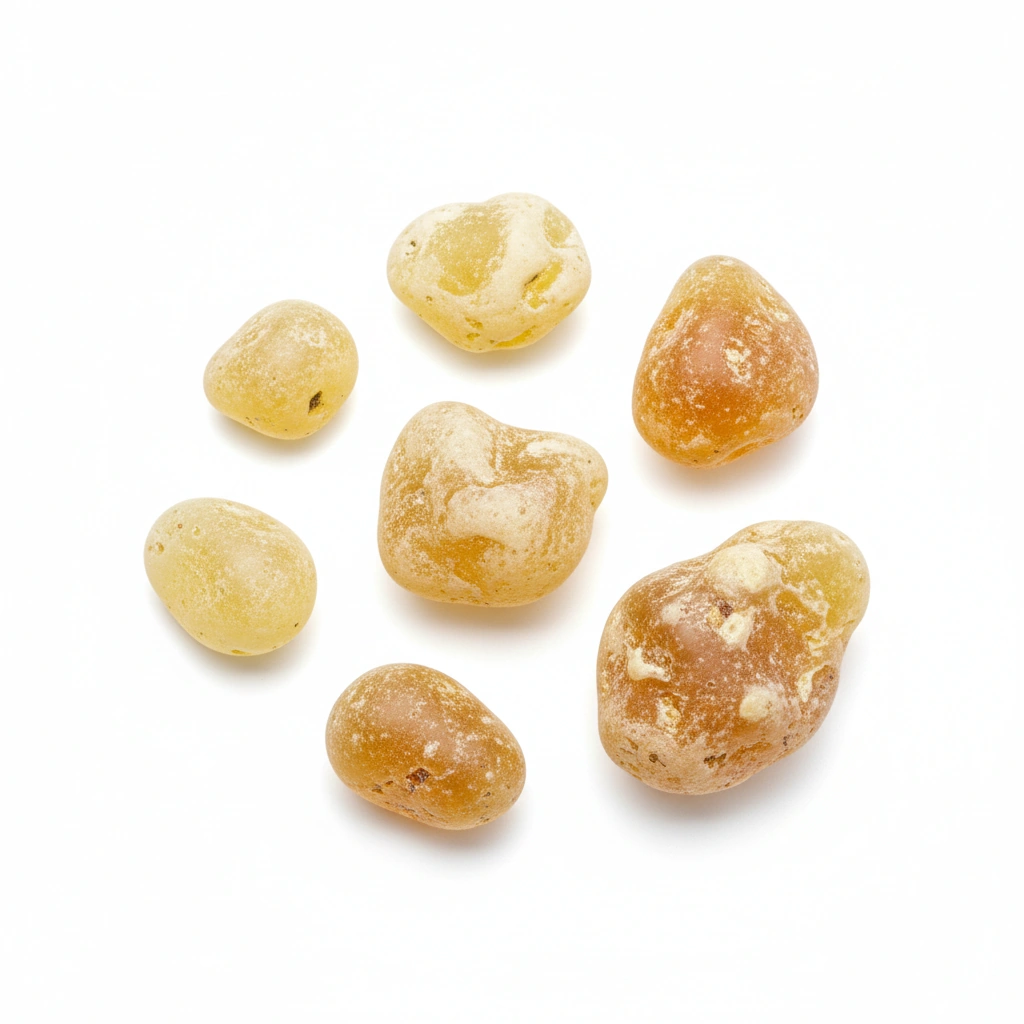
Product Image: For visualization purposes only. All ingredients are supplied as raw materials in bulk form. Available in NON-FOOD Ingredient form.
Frankincense essential oil, derived from *Boswellia* tree resin, is a revered botanical known for its complex aromatic profile and profound therapeutic benefits. Rich in monoterpenes like alpha-pinene, it offers significant anti-inflammatory and antioxidant support, promoting overall well-being, skin health, and stress relief. This versatile ingredient is ideal for enhancing supplement formulations and topical applications.
Frankincense essential oil, derived from the resin of trees in the *Boswellia* genus, primarily *Boswellia serrata* (Indian frankincense), *Boswellia carterii*, and *Boswellia sacra* (Oman frankincense), has been revered for millennia across various cultures for its aromatic and therapeutic properties. Historically, it played a significant role in ancient religious ceremonies, traditional medicine systems like Ayurveda and Traditional Chinese Medicine, and as a valuable commodity in trade routes. The resin, harvested by making incisions in the tree bark, exudes a milky sap that hardens into tear-shaped droplets. These hardened resins are then steam-distilled to produce the highly concentrated essential oil, characterized by its complex, warm, woody, and slightly spicy aroma. The quality of frankincense oil is significantly influenced by the species of *Boswellia*, geographical origin, and harvesting methods, all of which impact its phytochemical profile and subsequent therapeutic efficacy. This natural ingredient stands out for its rich history and multifaceted applications, making it a cornerstone in both aromatherapy and botanical supplement formulations.
The therapeutic efficacy of frankincense essential oil is largely attributed to its diverse array of bioactive compounds, predominantly monoterpenes and sesquiterpenes, including alpha-pinene, limonene, sabinene, and beta-caryophyllene. Notably, the boswellic acids, found in the resin extract, are key contributors to its anti-inflammatory properties, though they are not present in significant amounts in the steam-distilled essential oil. However, the essential oil itself exhibits potent anti-inflammatory effects, as demonstrated in various *in vitro* and *in vivo* studies, by modulating inflammatory pathways and inhibiting pro-inflammatory mediators. Research suggests its compounds may influence cytokine production and leukocyte infiltration, offering support for joint health and overall systemic inflammatory balance. Furthermore, alpha-pinene, a major component, has shown neuroprotective and anxiolytic properties in preclinical models, suggesting potential benefits for cognitive function and stress management. The oil's antioxidant capacity, another critical mechanism, helps combat oxidative stress, protecting cellular integrity and contributing to its broad health-promoting profile.
Frankincense essential oil finds widespread application in supplement formulations, aromatherapy, and topical preparations due to its versatile therapeutic profile. In supplements, it is often incorporated into softgels or capsules, sometimes combined with carrier oils or other synergistic botanicals to enhance bioavailability and efficacy for internal use. For topical applications, it is diluted with carrier oils and used in massage blends, skincare products, and balms targeting muscle and joint discomfort, leveraging its anti-inflammatory and skin-rejuvenating properties. Rigorous quality control is paramount for frankincense essential oil, necessitating comprehensive analytical testing, such as Gas Chromatography-Mass Spectrometry (GC-MS), to confirm its purity, identity, and the precise quantification of its key constituents, ensuring it is free from adulteration and contaminants. Scientific literature, including studies published in journals like *Phytomedicine* and *Journal of Ethnopharmacology*, continues to explore its potential in areas ranging from immune modulation to cellular health, solidifying its evidence-based standing in the natural health industry.
Discover more ingredients that complement your selection