In Stock
JCI-297
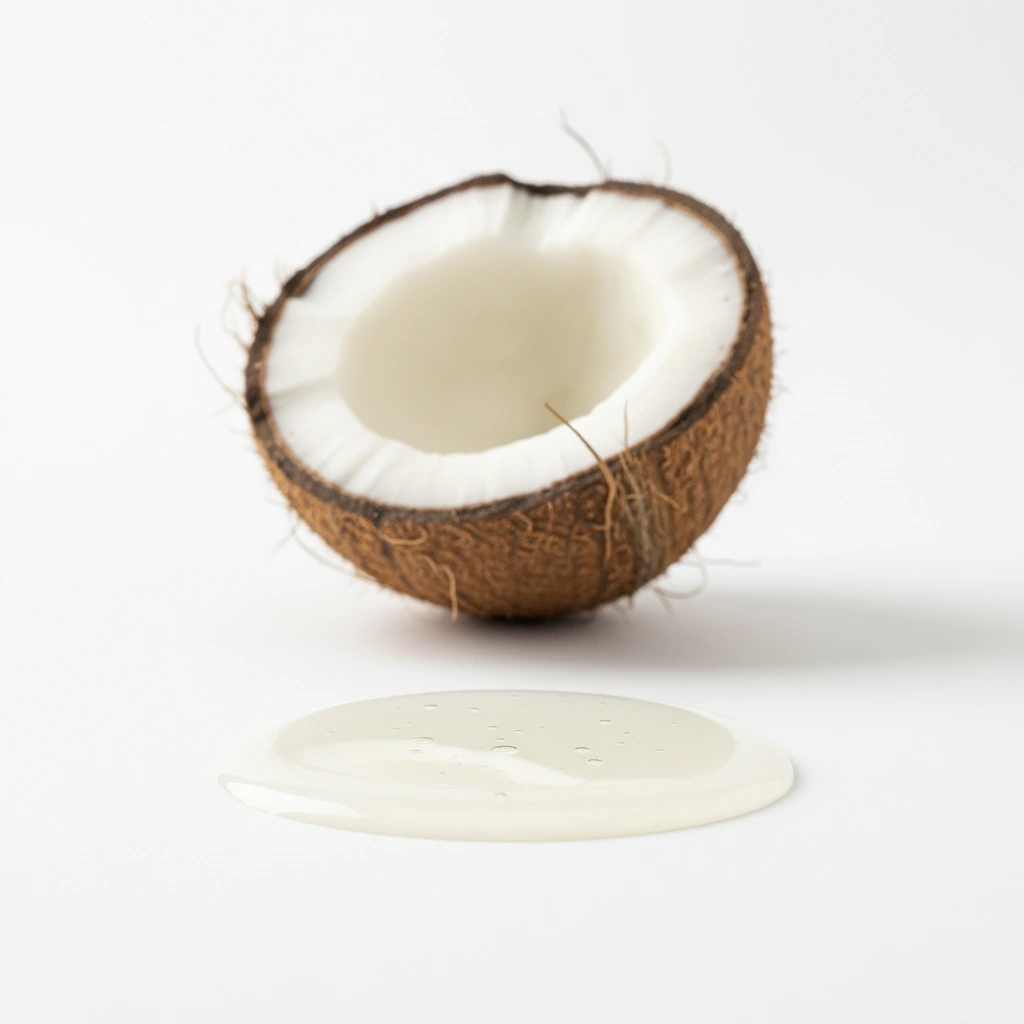
Product Image: For visualization purposes only. All ingredients are supplied as raw materials in bulk form. Available in NON-FOOD Ingredient form.
Coconut Palm Oil (92 Degrees) is a refined, stable oil solid at room temperature, renowned for its neutral profile and high medium-chain triglyceride (MCT) content, including lauric acid. It serves as a versatile functional ingredient in supplement formulations, enhancing stability and ingredient delivery while offering potential metabolic benefits.
Coconut Palm Oil (92 Degrees) is a highly refined fraction of coconut oil, specifically processed to achieve a consistent melting point of approximately 92 degrees Fahrenheit (33 degrees Celsius). This precise processing, often involving refining, bleaching, and deodorizing (RBD), yields a stable fat that remains solid at typical room temperatures, offering a neutral flavor and aroma. Sourced from the mature coconuts (Cocos nucifera) of the tropical coconut palm, this ingredient is predominantly composed of saturated fatty acids, distinguishing it from most liquid vegetable oils. Its unique fatty acid profile is characterized by a high concentration of medium-chain triglycerides (MCTs), which are foundational to its functional and physiological properties. The controlled melting point and refinement contribute significantly to its extended shelf life and versatility in various applications, particularly where a firm, consistent texture is paramount, such as in confectionery, baking, and specialized cosmetic formulations.
The health benefits associated with Coconut Palm Oil, particularly its high MCT content, have been the focus of considerable scientific inquiry. Approximately 60-70% of its fatty acids are MCTs, with lauric acid (C12:0) being the most prevalent, followed by myristic acid (C14:0) and palmitic acid (C16:0). Unlike long-chain triglycerides (LCTs), MCTs are metabolized differently; they are rapidly absorbed from the gastrointestinal tract and transported directly to the liver via the portal vein, where they are preferentially oxidized for energy rather than stored as adipose tissue. This expedited metabolic pathway has been linked to potential benefits in energy expenditure and satiety, as evidenced by studies published in journals such as the "Journal of Nutrition." Furthermore, lauric acid, a key MCT, is converted into monolaurin in the body, which has demonstrated in vitro antimicrobial properties by disrupting the lipid membranes of various pathogens, showcasing a potential biological activity even in its refined form.
In supplement formulations, Coconut Palm Oil (92 Degrees) is highly valued for its exceptional stability and functional attributes. Its solid state at ambient temperatures makes it an ideal excipient for encapsulating active ingredients, serving as a reliable binding agent in solid dosage forms like tablets, or providing a stable base for topical applications. The refinement process significantly enhances its oxidative stability, rendering it less susceptible to rancidity compared to less processed coconut oils, which is crucial for product integrity and shelf life. Emerging research on dietary saturated fats continues to differentiate the metabolic impact of MCTs from LCTs. For instance, a meta-analysis published in "Lipids in Health and Disease" suggested that MCT consumption might contribute to modest reductions in body weight and fat mass. Quality control for this ingredient is paramount, ensuring minimal levels of trans fatty acids, absence of heavy metals, and strict adherence to microbiological specifications. Its neutral profile ensures it does not interfere with the organoleptic properties or efficacy of other active ingredients in complex formulations.
Discover more ingredients that complement your selection