In Stock
JCI-100
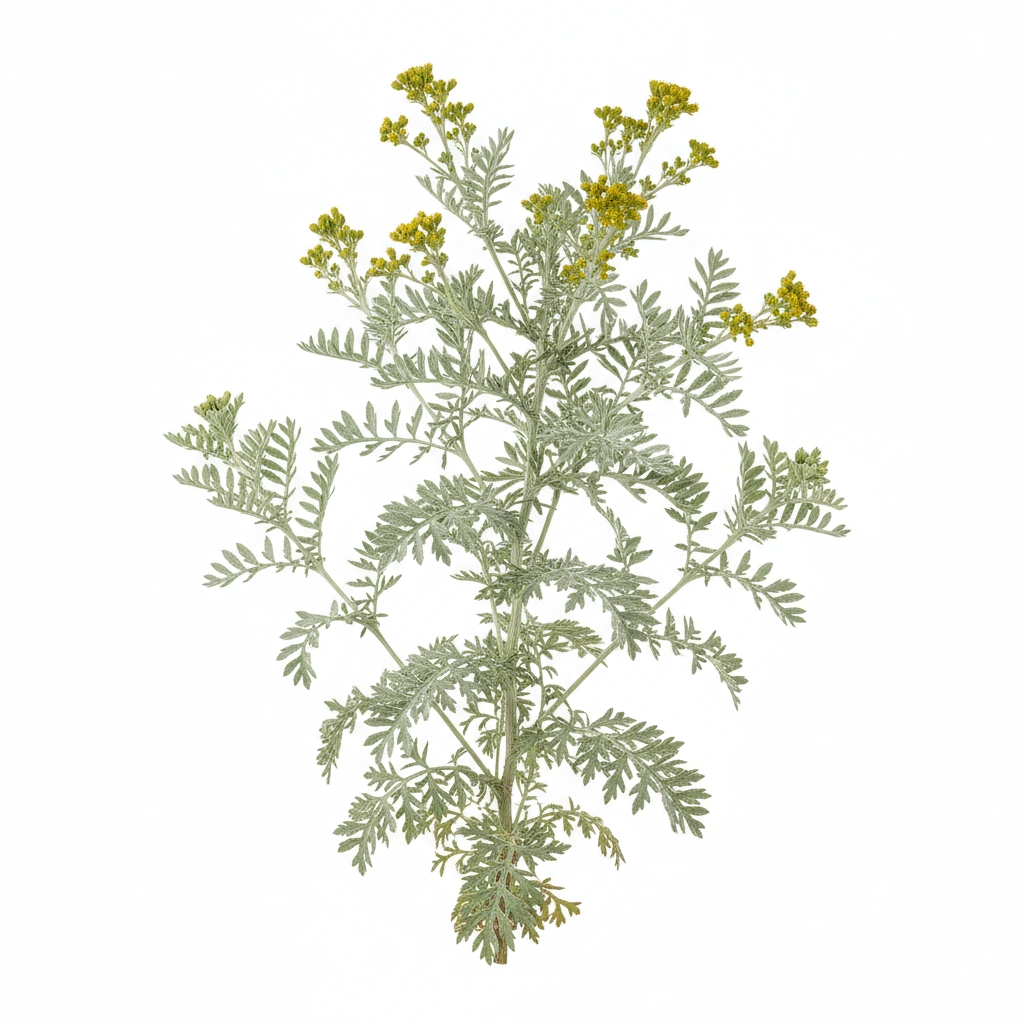
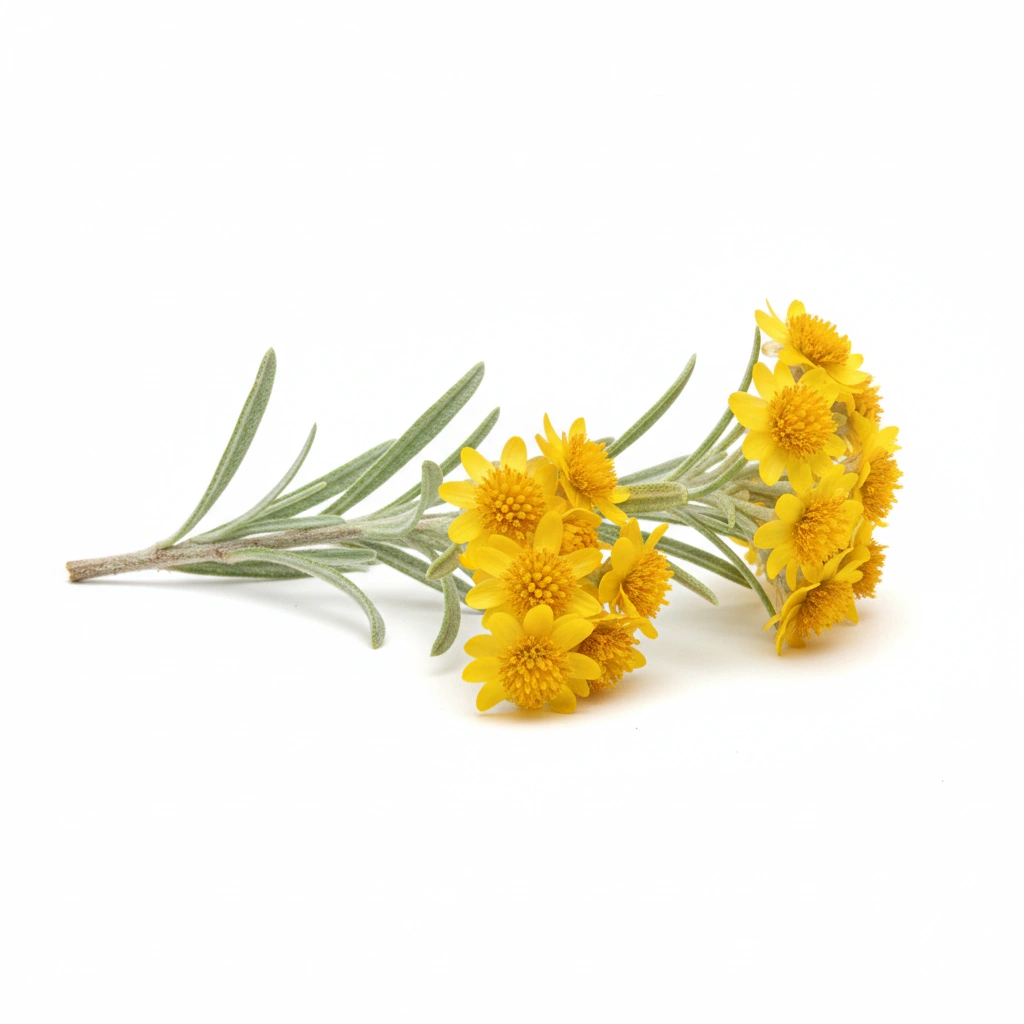
Product Image: For visualization purposes only. All ingredients are supplied as raw materials in bulk form. Available in NON-FOOD Ingredient form.
Wormwood Essential Oil (Artemisia absinthium) is a potent botanical extract known for its rich history in traditional digestive support and its distinct aromatic profile. Steam-distilled from the plant's leaves and flowering tops, it contains bioactive compounds like thujone and chamazulene. This oil is valued for its potential to aid digestion and offer mild anti-inflammatory properties, making it a unique ingredient for specialized supplement formulations when used in carefully controlled concentrations.
Wormwood essential oil (Artemisia absinthium) is derived through steam distillation of the plant's leaves and flowering tops. This potent botanical, historically recognized for its bitter properties, has a long-standing tradition in various ethnobotanical practices, tracing back to ancient Egyptian and Greek civilizations where it was used for its purported digestive and antiparasitic qualities. The oil itself is characterized by a strong, herbaceous aroma and a pale yellow to brownish-green color. Its complex chemical profile is a testament to the plant's resilience and medicinal legacy, contributing to its diverse applications. Understanding the precise botanical origin and distillation methods is crucial, as these factors significantly influence the final composition and efficacy of the essential oil, ensuring the presence of key volatile compounds in appropriate concentrations. The essential oil is a concentrated form, distinct from herbal extracts, requiring careful handling due to its potency.
The primary bioactive compounds in wormwood essential oil include thujone (alpha and beta), chamazulene, sabinene, and camphor, among others. Thujone, a monoterpene ketone, is particularly noteworthy for its neuroactive properties, although its concentration must be carefully controlled due to potential neurotoxicity at high doses. Research suggests that components like chamazulene contribute to its traditional anti-inflammatory and antioxidant effects, as seen in studies exploring its impact on cellular oxidative stress pathways. Furthermore, the oil's constituents have been investigated for their potential to support digestive health, particularly in stimulating bile production and aiding in the breakdown of fats, aligning with its historical use as a bitter tonic. Mechanistically, these compounds interact with various biological targets, influencing enzymatic activities and modulating inflammatory responses, thereby contributing to its broad spectrum of traditional applications.
In supplement formulations, wormwood essential oil is typically integrated at very low, controlled concentrations due to the thujone content, often in diluted forms or as part of complex botanical blends. It finds applications in products aimed at digestive support, detoxification, and occasionally in topical preparations for its purported localized effects. Quality assurance is paramount, requiring rigorous testing for purity, potency, and the precise quantification of thujone to ensure safety and compliance with regulatory guidelines such as those set by EFSA or FDA. Modern scientific inquiry continues to explore the specific mechanisms of action of its individual components. For instance, studies on Artemisia species, from which wormwood is derived, have shown promise in preclinical models for their antiparasitic and antimicrobial activities, providing a scientific basis for some of its traditional uses, although human clinical trials on the essential oil itself are often limited and require further robust investigation to substantiate health claims.