In Stock
JCI-261
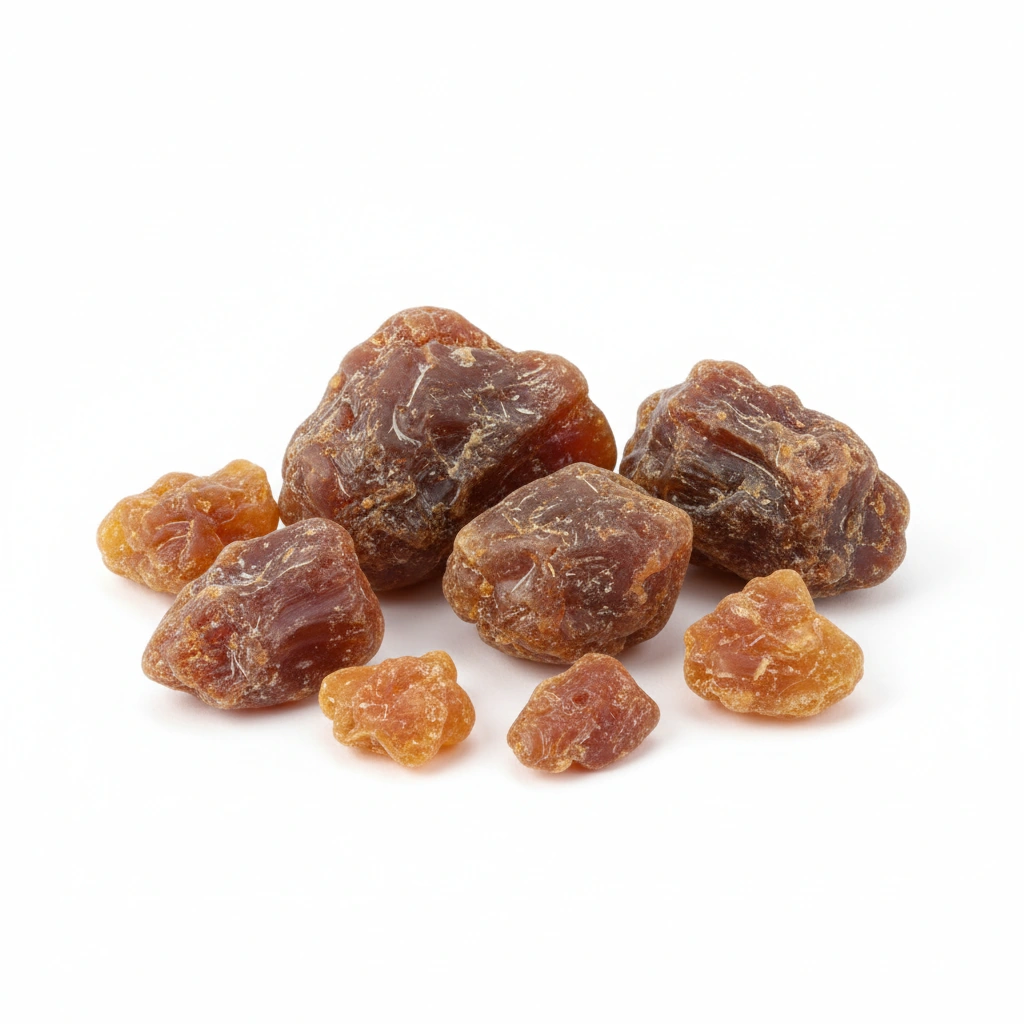
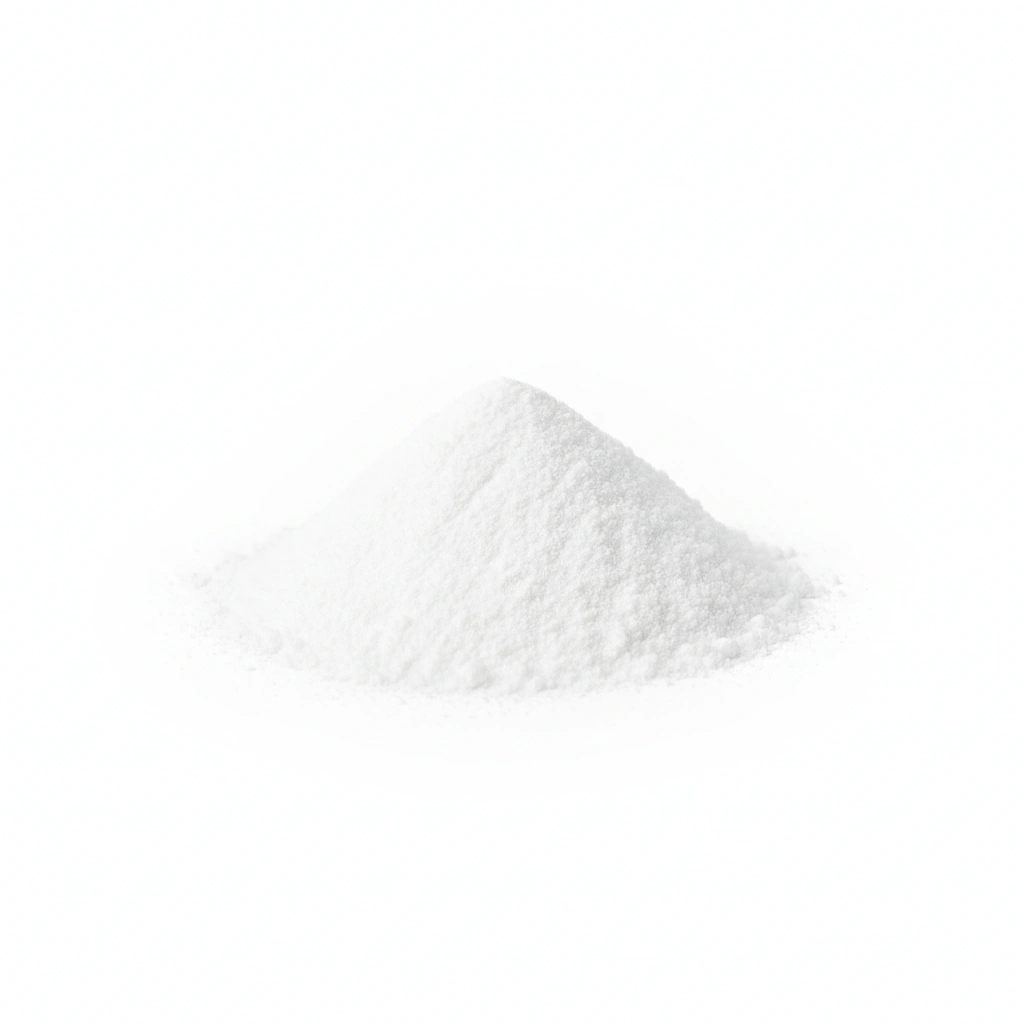
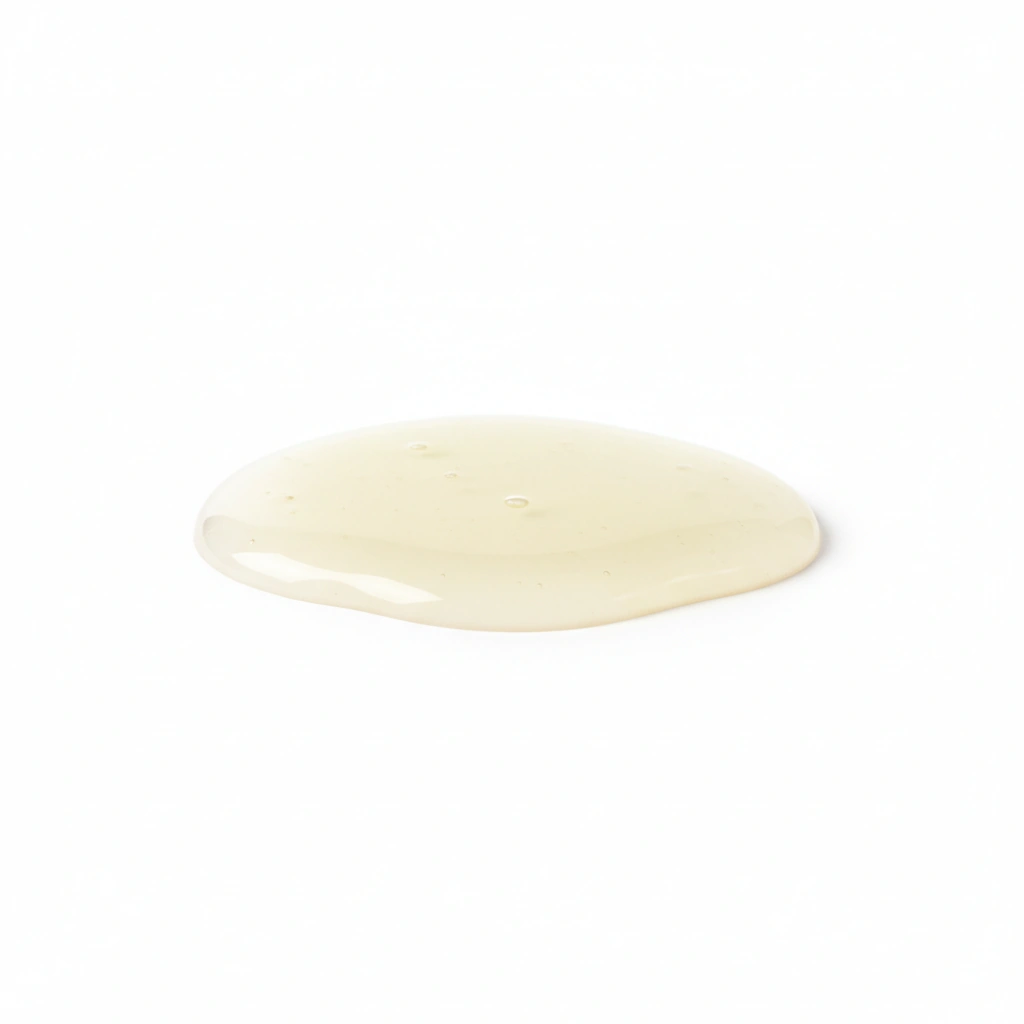
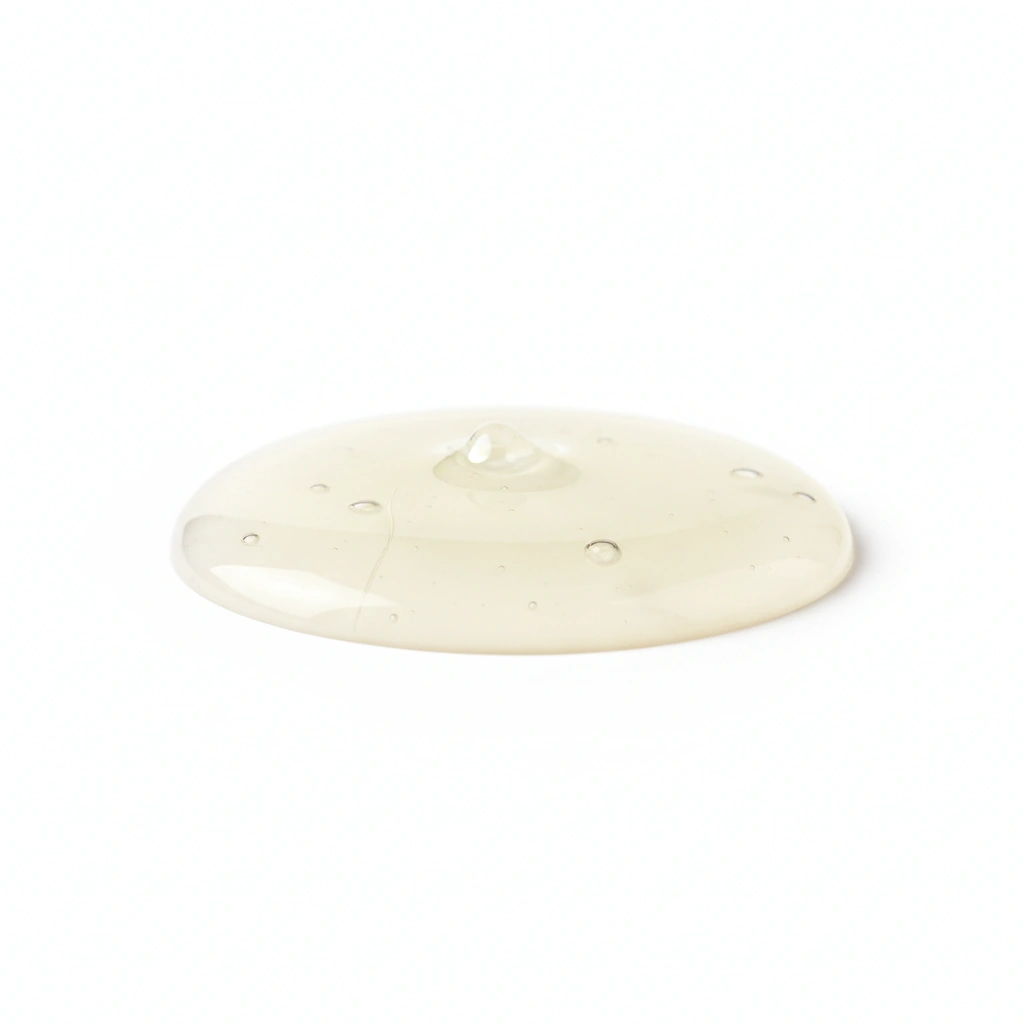
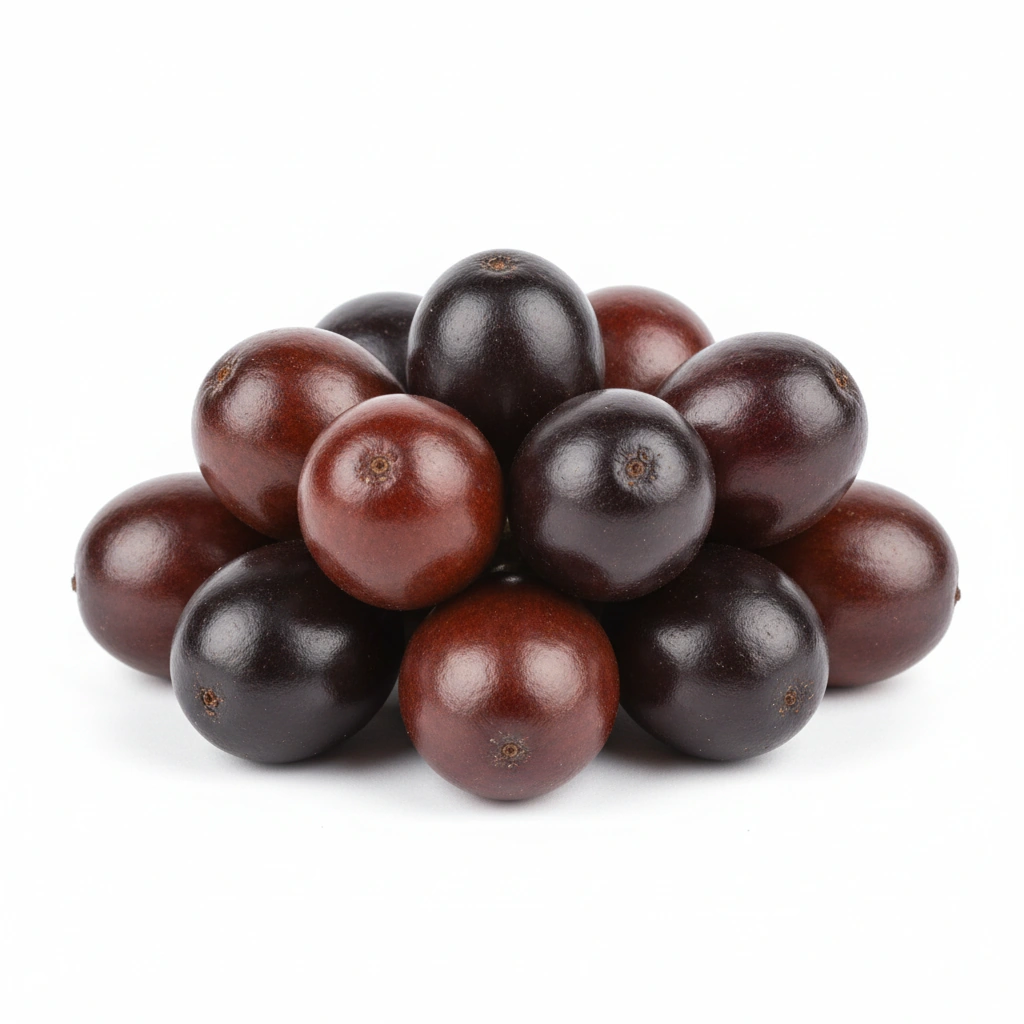
Product Image: For visualization purposes only. All ingredients are supplied as raw materials in bulk form. Available in NON-FOOD Ingredient form.
Myrrh essential oil, derived from *Commiphora* resin, is celebrated for its powerful anti-inflammatory, antimicrobial, and antioxidant properties. Rich in sesquiterpenes, it supports oral health, skin repair, and overall microbial balance. This revered botanical offers significant therapeutic potential in various supplement and topical applications, leveraging millennia of traditional use and modern scientific validation for its efficacy.
Myrrh essential oil, derived from the resin of trees in the *Commiphora* genus, primarily *Commiphora myrrha*, is a highly valued botanical known for its distinctive warm, earthy, and slightly bitter aroma. Native to the Arabian Peninsula and parts of Africa, myrrh has been revered for millennia, with historical records detailing its use in ancient Egyptian spiritual rituals, traditional Chinese medicine, and Ayurvedic practices for its purported healing properties. The resin is collected by making incisions in the tree bark, allowing a yellowish-white oleoresin to exude and harden into reddish-brown tears. The essential oil is then typically extracted through steam distillation of these dried resinous tears, yielding a viscous, pale yellow to amber liquid. Its complex chemical profile contributes to its broad spectrum of traditional applications, ranging from topical wound care to internal remedies for various ailments, underscoring its historical significance as both a medicinal and aromatic substance.
The therapeutic efficacy of myrrh essential oil is largely attributed to its rich array of bioactive compounds, predominantly sesquiterpenes like furanoeudesma-1,3-diene, curzerene, and lindestrene, along with a significant presence of furanosesquiterpenes. These compounds are responsible for myrrh's well-documented anti-inflammatory, antimicrobial, and antioxidant properties. Research indicates that myrrh can modulate inflammatory pathways, potentially by inhibiting pro-inflammatory mediators such as prostaglandins and leukotrienes, as demonstrated in various *in vitro* and *in vivo* studies. For instance, a study published in *Phytotherapy Research* highlighted its ability to suppress nitric oxide production in activated macrophages. Its potent antimicrobial action against a spectrum of bacteria, fungi, and parasites, including *Candida albicans* and *Staphylococcus aureus*, is also a key benefit, making it valuable for maintaining microbial balance. Furthermore, its antioxidant capacity helps to neutralize free radicals, thereby contributing to cellular protection against oxidative stress.
Myrrh essential oil finds diverse applications in modern supplement formulations, particularly in products targeting oral health, skin support, and respiratory wellness. In oral care, it is often incorporated into mouthwashes and toothpaste for its astringent and antimicrobial effects, supporting gum health and fresh breath. For topical applications, its anti-inflammatory and wound-healing properties make it suitable for inclusion in balms, creams, and salves designed for skin soothing and repair. Quality considerations are paramount; sourcing from reputable suppliers ensures the purity and potency of the oil, with gas chromatography-mass spectrometry (GC-MS) analysis being crucial for verifying its chemical composition and absence of adulterants. Clinical evidence, such as a study in the *Journal of Ethnopharmacology*, has explored its efficacy in treating certain inflammatory conditions, further validating its traditional uses. Its synergy with other essential oils, like frankincense, is also a common formulation strategy to enhance overall therapeutic benefits.
Discover more ingredients that complement your selection