In Stock
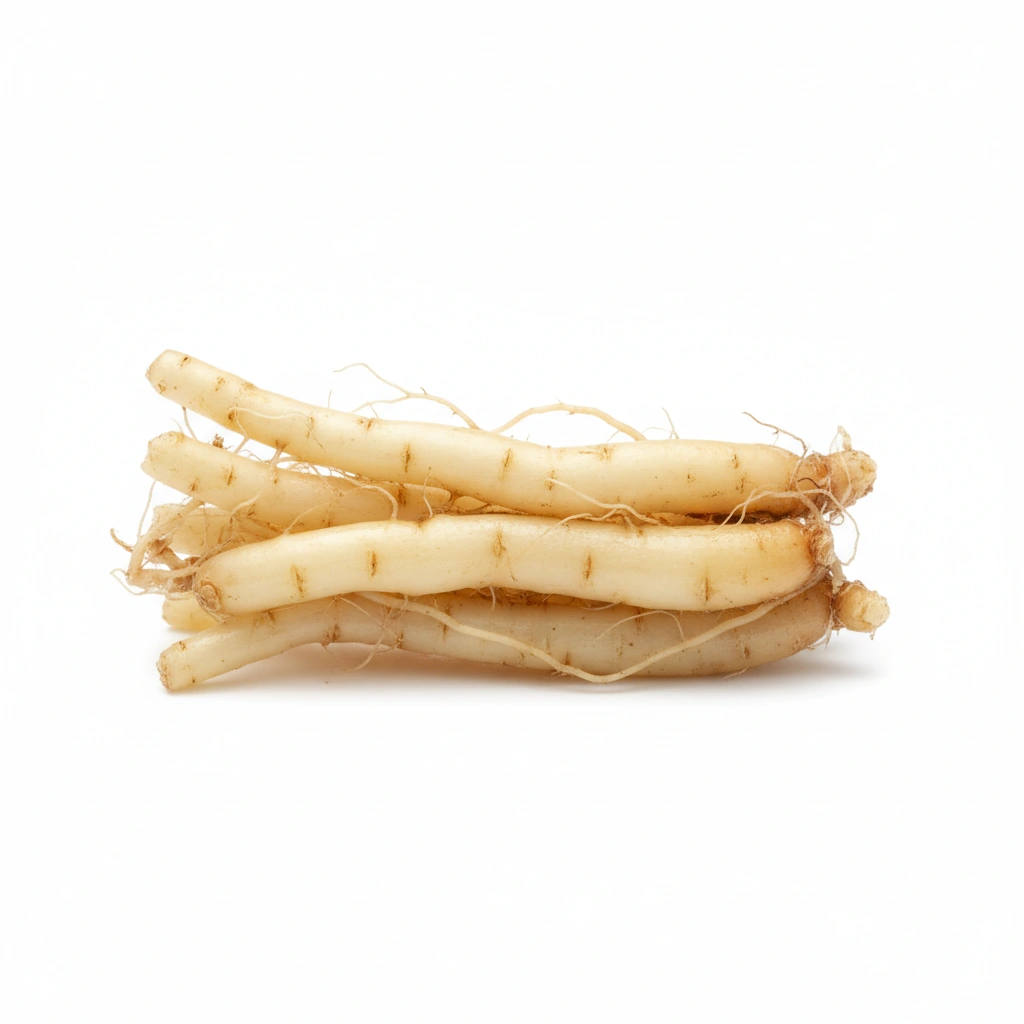
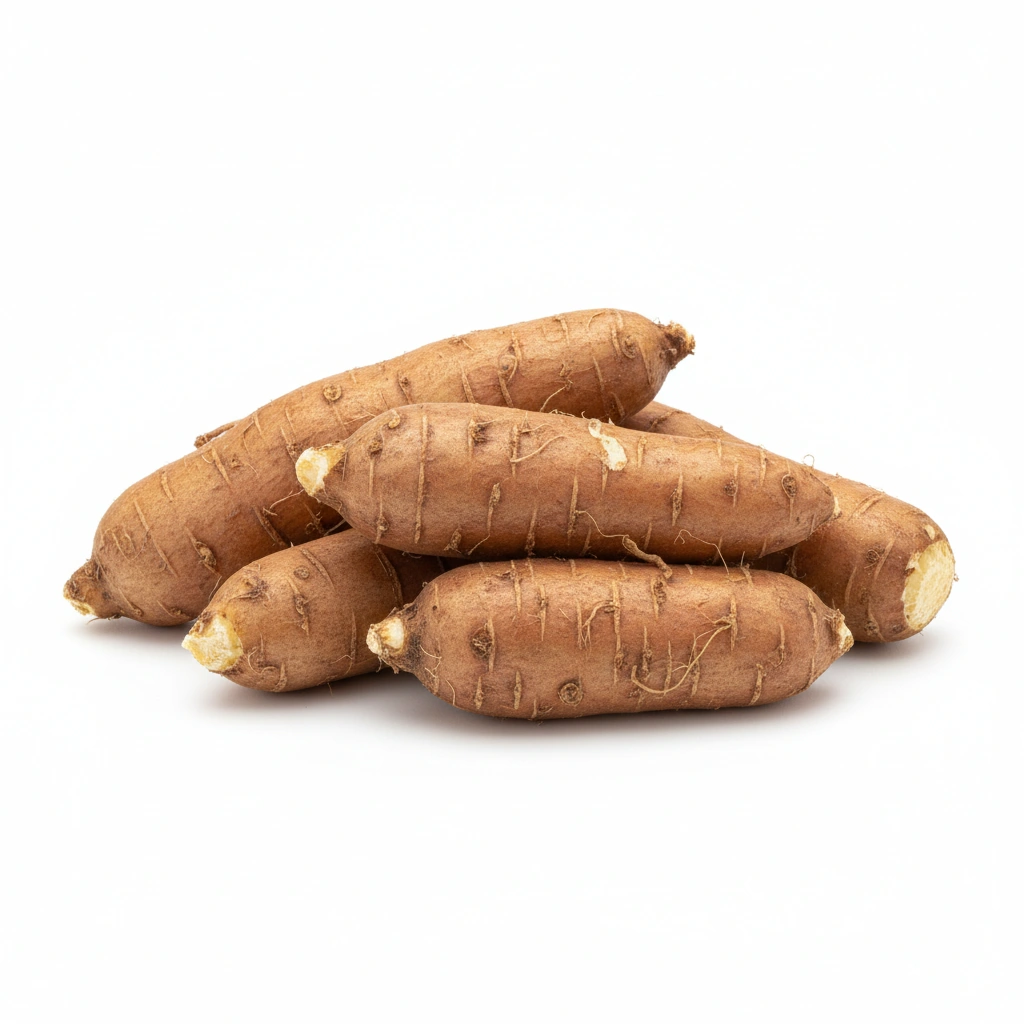
Product Image: For visualization purposes only. All ingredients are supplied as raw materials in bulk form. Available in Botanical Ingredient form.
Ophiopogon Japonicus 4:1 Root Extract is a potent botanical derived from a revered East Asian herb, traditionally used for its adaptogenic and nourishing properties. Rich in saponins and polysaccharides, it supports respiratory health, exhibits antioxidant activity, and aids in maintaining overall physiological balance. This concentrated extract is ideal for formulations targeting immune support, stress relief, and general vitality.
Ophiopogon japonicus, commonly known as Mondo grass or Dwarf Lilyturf, is a perennial herbaceous plant native to East Asia, particularly China, Japan, and Korea. Its tuberous roots, known as Mai Dong in Traditional Chinese Medicine (TCM), have been revered for centuries for their adaptogenic and nourishing properties. This 4:1 root extract concentrates the beneficial compounds, meaning four parts of the raw root are used to produce one part of the extract, providing a potent and standardized form. The roots are traditionally harvested, carefully cleaned, and then processed to create an extract that captures the essence of this botanical. Ophiopogon japonicus is characterized by its distinctive long, grass-like leaves and small white to lilac flowers, but it is the fleshy, pearl-like root that holds its therapeutic value. It is often employed in TCM to address conditions related to "yin deficiency," particularly those affecting the lungs, stomach, and heart, underscoring its historical significance as a cooling and moistening herb. The extract typically presents as a fine powder, making it versatile for various supplement formulations.
The health benefits of Ophiopogon japonicus extract are primarily attributed to its rich array of bioactive compounds, including various saponins (such as ophiopogonins and spicatosides), polysaccharides (like ophiopogonan), flavonoids, and homoisoflavonoids. These constituents collectively contribute to its observed pharmacological actions. Research suggests its traditional use in supporting respiratory health is linked to its mucilaginous polysaccharides, which may help soothe irritated mucous membranes and promote healthy lung function. Furthermore, studies indicate its antioxidant properties, with flavonoids and saponins contributing to free radical scavenging, thereby reducing oxidative stress. A review published in the Journal of Ethnopharmacology highlighted its potential immunomodulatory effects, suggesting it could influence immune responses. The adaptogenic nature of Ophiopogon japonicus is thought to help the body maintain homeostasis, particularly under stress, by supporting glandular function and overall vitality. Its capacity to modulate inflammation and provide cellular protection makes it a valuable ingredient for holistic well-being.
Ophiopogon japonicus extract 4:1 finds diverse applications in modern supplement formulations, ranging from respiratory support blends to general wellness and adaptogenic complexes. Its compatibility with other botanical extracts, such as American Ginseng or Schisandra, enhances synergistic effects for stress adaptation and immune modulation. Quality considerations for this extract are paramount; sourcing from reputable suppliers who adhere to strict cultivation and extraction protocols ensures purity, potency, and the absence of contaminants. Analytical testing for active markers like ophiopogonins, as well as heavy metals and microbial load, is crucial for product integrity. Recent scientific investigations have begun to validate its traditional uses. For instance, a study in Phytomedicine explored its beneficial effects on cardiovascular markers, while other research has investigated its role in supporting metabolic health. The concentrated 4:1 extract format ensures a consistent delivery of its active principles, making it a reliable choice for formulators aiming for evidence-based efficacy. This robust scientific backing solidifies its position as a valuable ingredient in the nutraceutical market.