In Stock
JCI-086
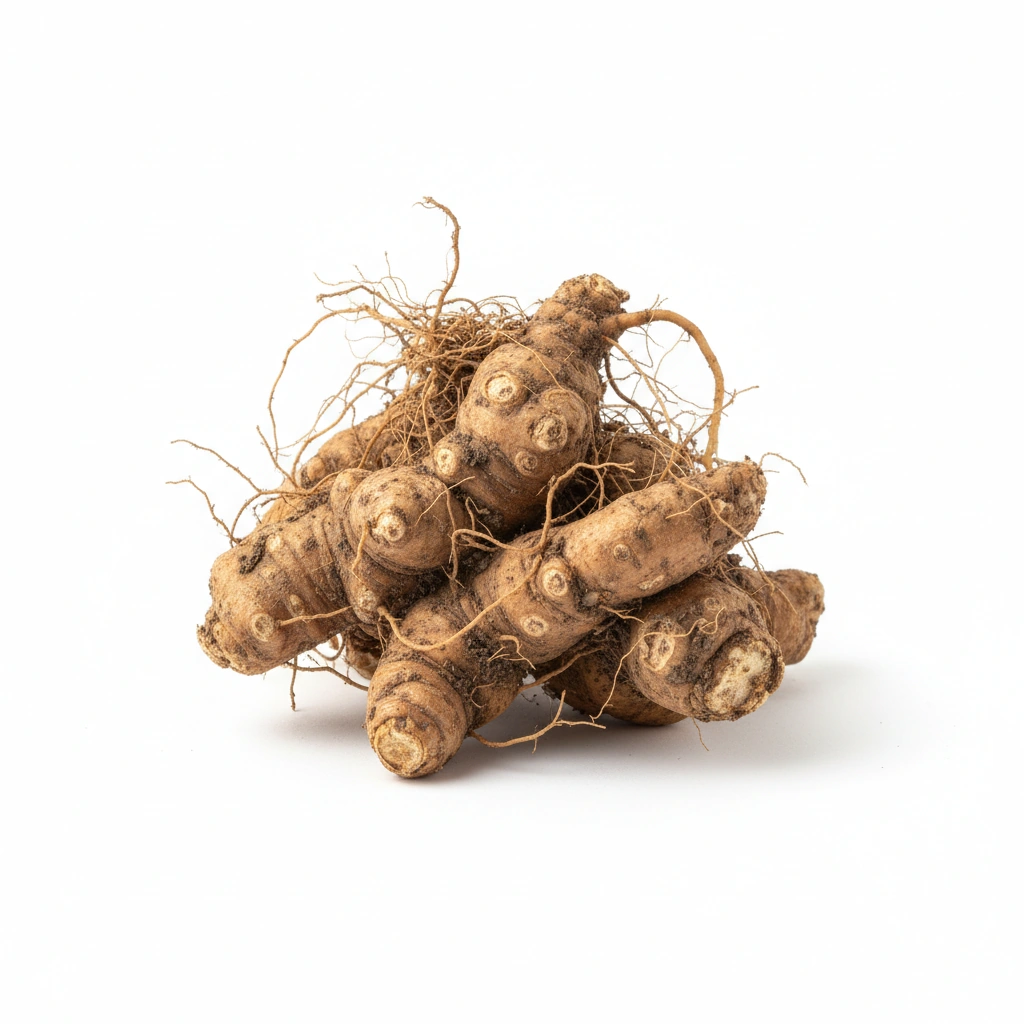
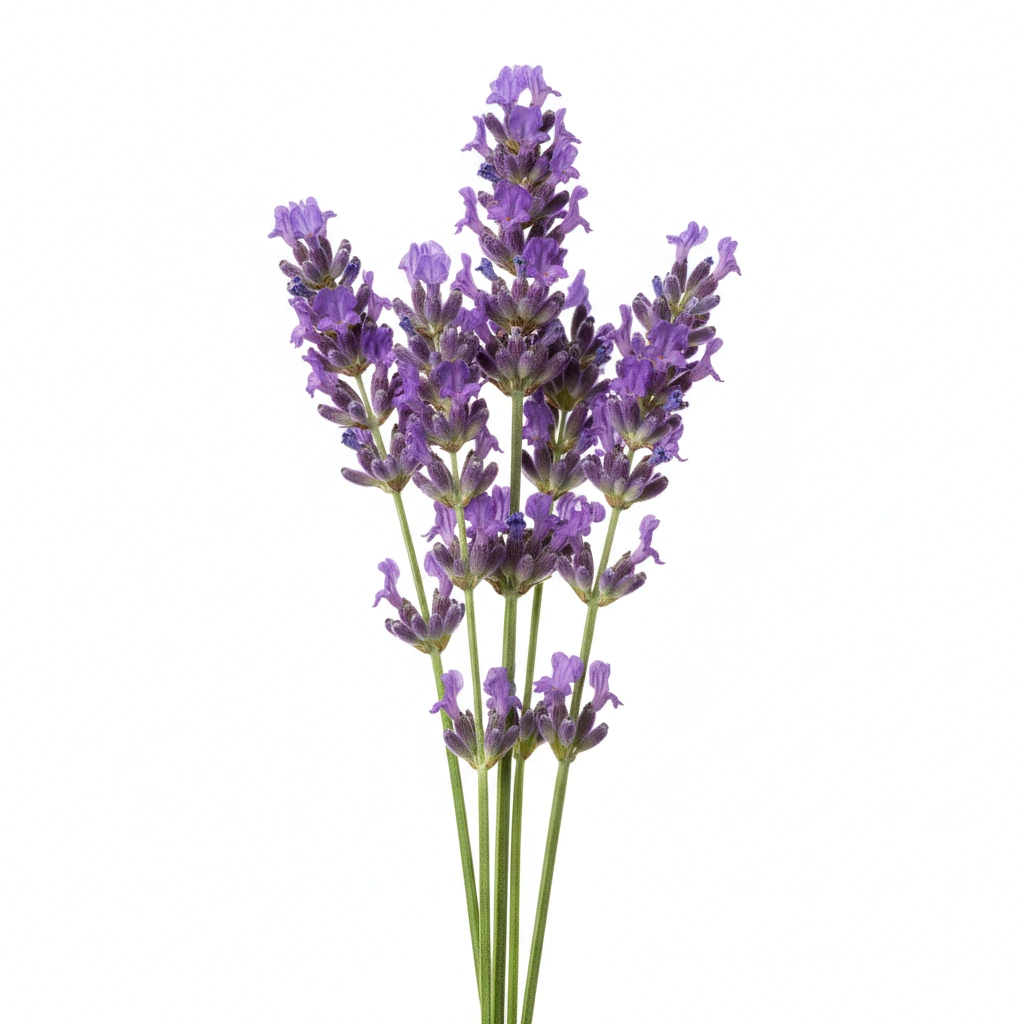
Product Image: For visualization purposes only. All ingredients are supplied as raw materials in bulk form. Available in Botanical Ingredient form.
Phlomis umbrosa root extract is a revered botanical ingredient traditionally used in East Asian medicine, known for its rich profile of bioactive compounds including flavonoids and iridoid glycosides. It is valued for its potential anti-inflammatory and antioxidant properties, making it a promising ingredient for formulations aimed at supporting overall well-being, immune function, and cardiovascular health.
Phlomis umbrosa, commonly known as "Chinese Motherwort" or "Shi Jian Chuan" in Traditional Chinese Medicine (TCM), is a perennial herb belonging to the Lamiaceae family. Native to East Asia, particularly China, its root has been revered for centuries for its diverse therapeutic properties. The extract from the root is typically standardized to key bioactive markers, ensuring consistent potency and efficacy. This botanical ingredient is valued in herbal medicine for its traditional use in promoting overall well-being and addressing various physiological imbalances. Its historical application spans across different health paradigms, emphasizing its versatility and long-standing recognition as a valuable natural resource. Modern extraction techniques aim to concentrate its beneficial compounds, making it a potent raw material for contemporary supplement formulations. The plant thrives in mountainous regions, and its robust root system is the primary source of its medicinal value.
Research suggests that Phlomis umbrosa extract exerts its health benefits through a complex interplay of bioactive compounds. Key constituents include various flavonoids such as linarin, apigenin, and luteolin, as well as iridoid glycosides, phenylethanoid glycosides like verbascoside, and diterpenes. These compounds are thought to contribute to its observed anti-inflammatory and antioxidant properties. For instance, studies have indicated that flavonoids present in Phlomis umbrosa can modulate inflammatory pathways, potentially by inhibiting pro-inflammatory mediators. Furthermore, its antioxidant capacity, demonstrated in in-vitro studies, helps to neutralize free radicals, thereby reducing oxidative stress which is implicated in numerous chronic diseases. Traditional uses also point to its potential for supporting cardiovascular health and promoting circulation, which mechanistic studies are beginning to explore through its effects on vascular function and blood rheology.
Phlomis umbrosa root extract finds versatile applications in dietary supplements, often incorporated into formulations targeting immune support, inflammation management, and cardiovascular wellness. It can be found in various forms, including capsules, tablets, and powders, either as a standalone ingredient or synergistic blend. When sourcing, manufacturers prioritize extracts standardized for specific active markers, ensuring purity, potency, and batch-to-batch consistency. Quality control measures, such as High-Performance Liquid Chromatography (HPLC), are crucial for verifying the presence and concentration of key phytochemicals. Emerging scientific research continues to elucidate the full spectrum of its pharmacological activities, with ongoing studies exploring its potential in areas such as neuroprotection and metabolic health. This commitment to evidence-based development underscores its growing importance in the nutraceutical industry, moving beyond traditional applications to modern, scientifically validated uses.
Discover more ingredients that complement your selection