In Stock
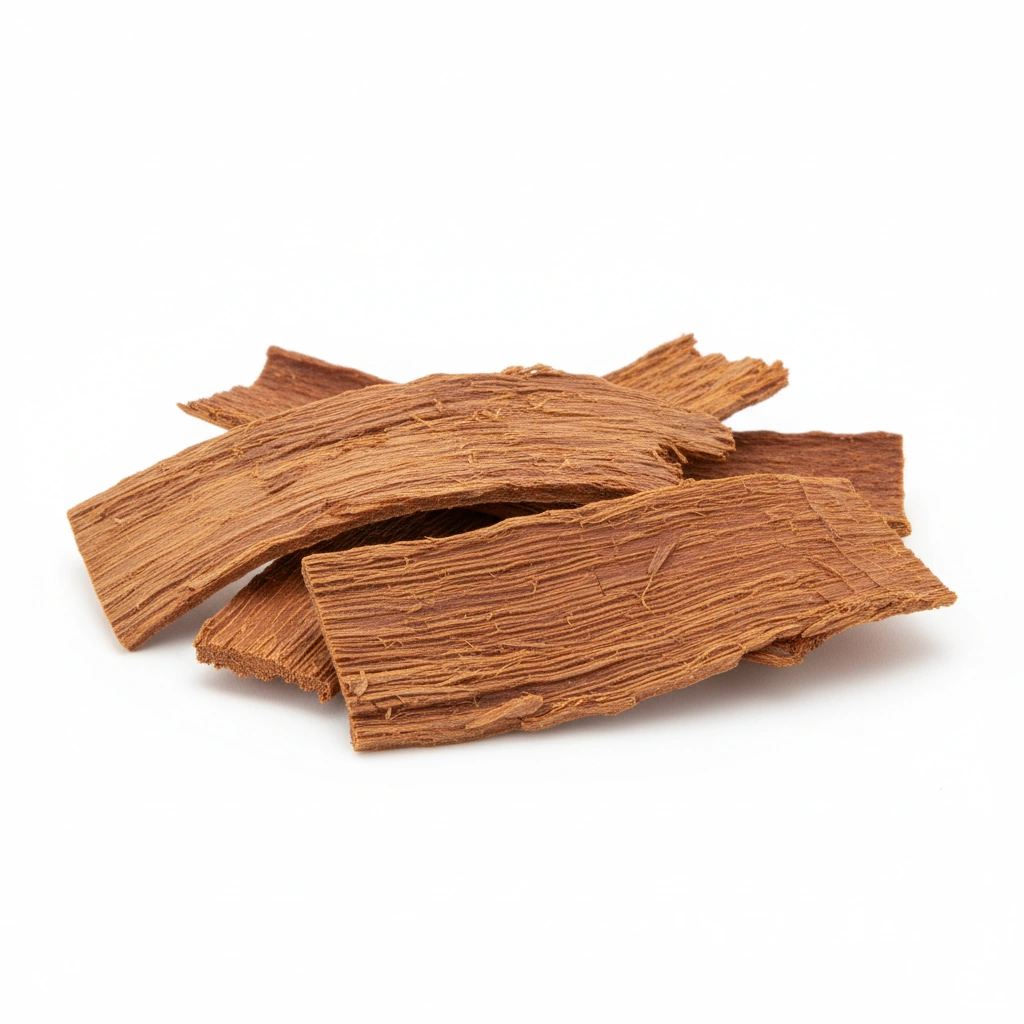
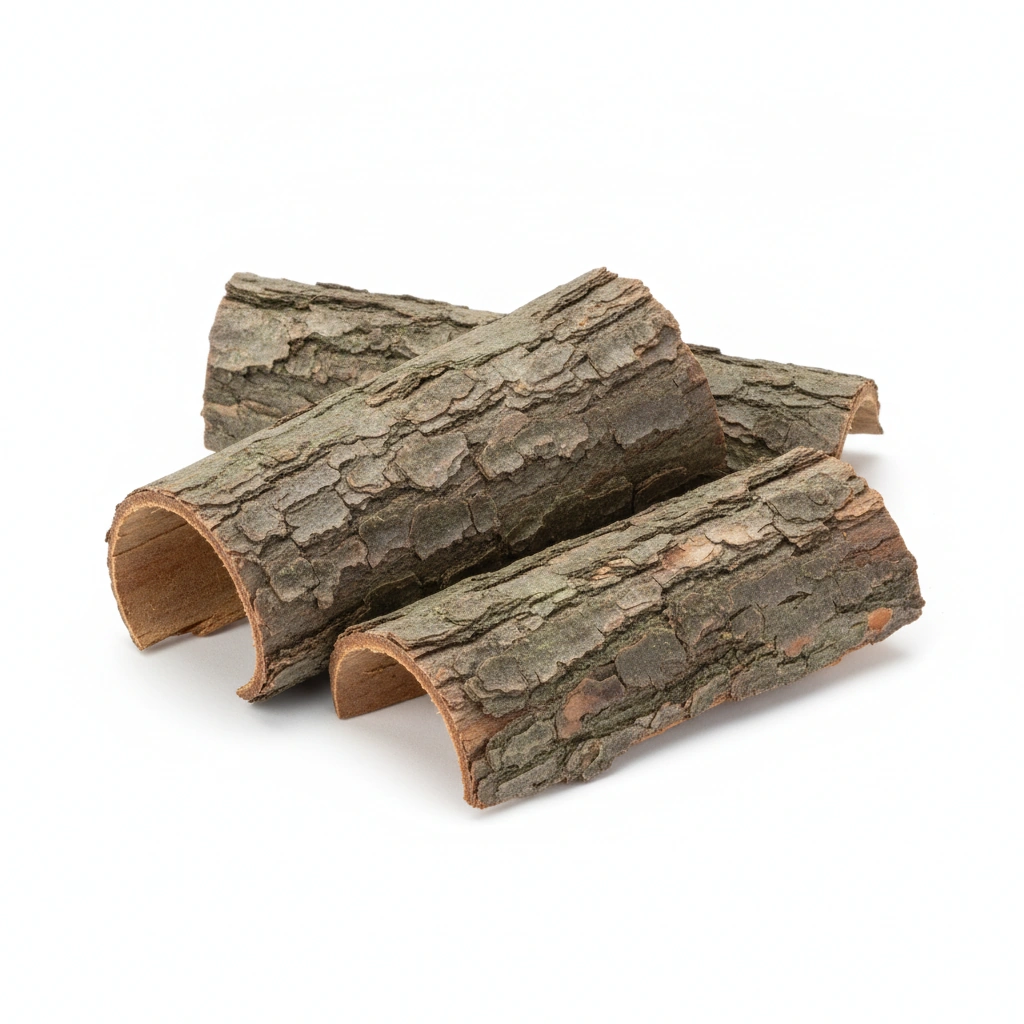
Product Image: For visualization purposes only. All ingredients are supplied as raw materials in bulk form. Available in NON-FOOD Ingredient form.
Salicylic acid is a beta-hydroxy acid (BHA) recognized for its potent keratolytic and anti-inflammatory properties. Derived from willow bark, it effectively exfoliates the skin, unclogs pores, and reduces inflammation, making it a cornerstone ingredient for formulations targeting acne, blackheads, and skin texture improvement. Its lipophilic nature allows deep penetration into follicles for enhanced efficacy.
Salicylic acid is a beta-hydroxy acid (BHA) naturally derived from sources like willow bark (Salix alba). It's a lipophilic organic acid, known for its keratolytic, comedolytic, and anti-inflammatory properties. Its origin in traditional medicine, particularly from willow bark extracts, provides a historical context for its therapeutic applications. The synthetic form is widely used in various pharmaceutical and cosmetic preparations due to its consistent purity and efficacy. Its unique chemical structure, featuring a hydroxyl group separated from the carboxyl group by two carbon atoms, allows it to be oil-soluble, enabling deeper penetration into sebaceous follicles compared to alpha-hydroxy acids. This characteristic is crucial for its effectiveness in dermatological applications, facilitating targeted action within the pore lining and surface exfoliation.
Salicylic acid primarily acts as a keratolytic agent, promoting exfoliation by loosening the bonds between corneocytes in the stratum corneum. This mechanism helps to shed dead skin cells, preventing pore clogging and reducing the formation of comedones, which are precursors to acne lesions. Research published in *Clinical, Cosmetic and Investigational Dermatology* highlights its efficacy in treating various dermatological conditions, including acne vulgaris, psoriasis, and seborrheic dermatitis. Beyond its exfoliating properties, salicylic acid possesses significant anti-inflammatory capabilities by inhibiting prostaglandin synthesis, a key mediator of inflammation, as demonstrated in studies on its effects on skin irritation. Its antibacterial properties also contribute to its effectiveness against *Propionibacterium acnes*, a bacterium implicated in acne development, offering a multi-faceted approach to skin health management.
In cosmetic and dermatological formulations, salicylic acid is commonly incorporated into cleansers, toners, serums, and peels, typically at concentrations ranging from 0.5% to 5%. For higher concentrations (e.g., 10-30%), it's often used in professional chemical peels. Quality considerations are paramount, with purity and consistent particle size being critical for formulation stability and efficacy. Scientific research continues to explore novel delivery systems, such as encapsulated salicylic acid, to enhance its penetration, reduce irritation, and prolong its therapeutic effects, as investigated in recent dermatological journals. Its role extends beyond acne, with ongoing studies examining its potential in treating warts, calluses, and certain hyperpigmentation disorders due to its ability to facilitate cell turnover. The extensive body of evidence supports its status as a cornerstone ingredient in topical dermatological treatments, ensuring its continued relevance and innovation in the field.
Discover more ingredients that complement your selection