In Stock
JCI-209
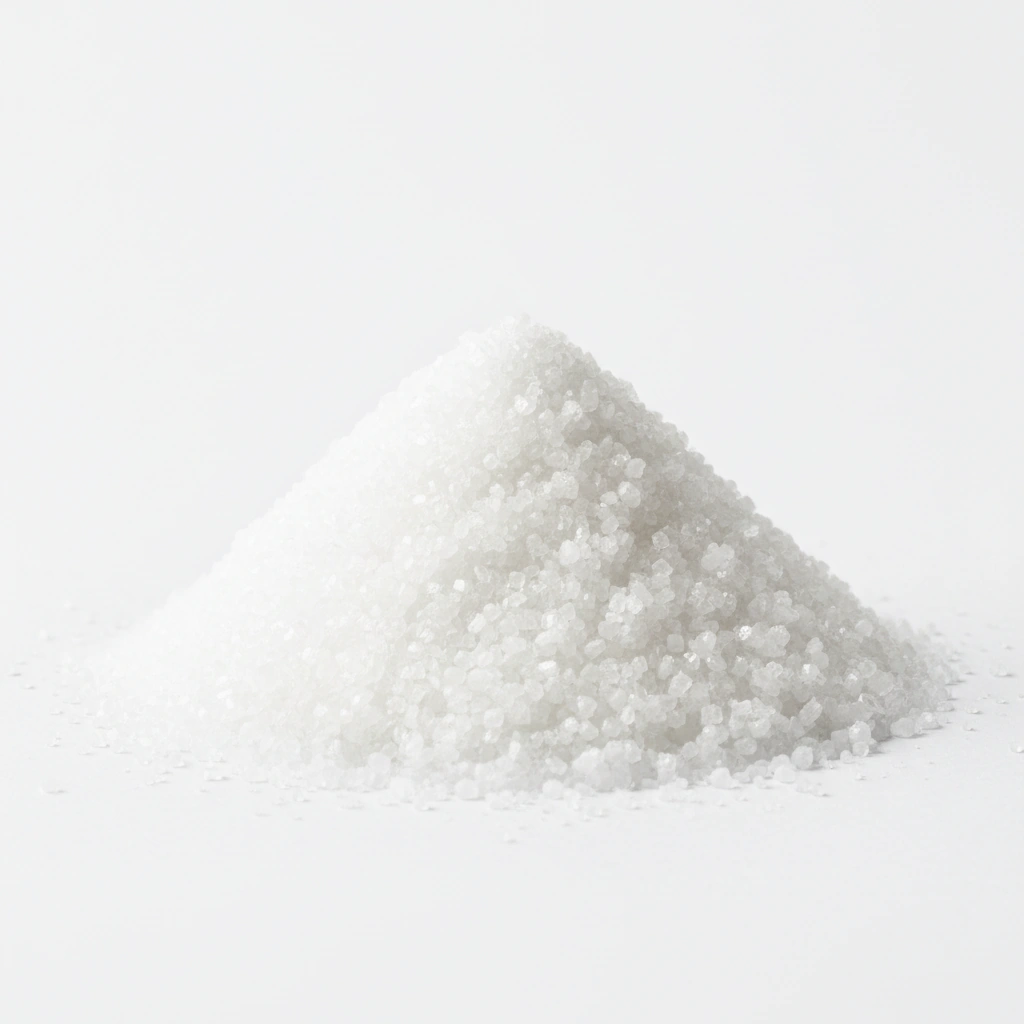
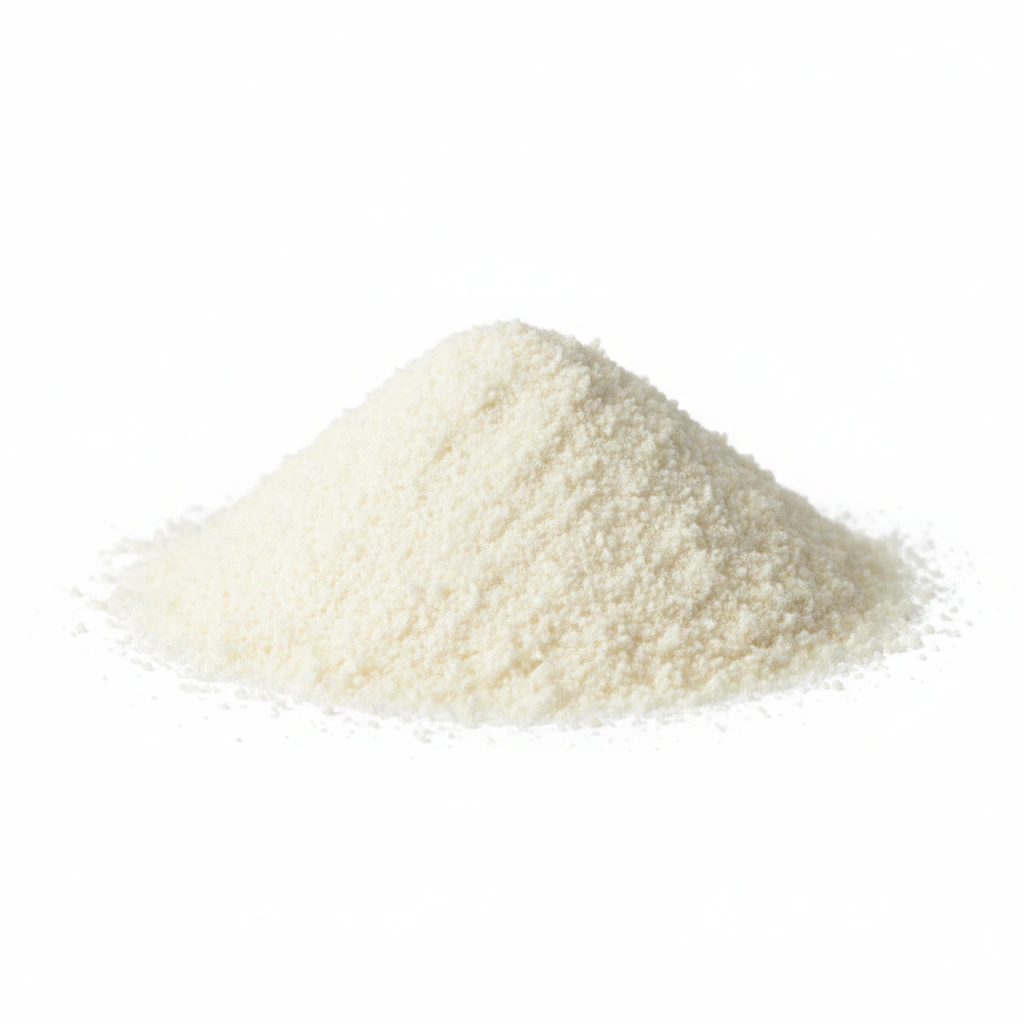
Product Image: For visualization purposes only. All ingredients are supplied as raw materials in bulk form. Available in Flavor Ingredient form.
Xylitol is a natural, low-calorie sugar alcohol derived from plants, widely recognized for its significant dental health benefits by reducing plaque and inhibiting harmful oral bacteria. It serves as an excellent sugar substitute with a low glycemic index, making it suitable for blood sugar management while offering a pleasant, cooling sweetness in various applications.
Xylitol is a naturally occurring polyol, or sugar alcohol, widely distributed in fibrous fruits, vegetables, and hardwood trees like birch. It is a five-carbon sugar alcohol, distinguishing it from six-carbon sugars like glucose and fructose. Its sweetening power is comparable to sucrose, but with approximately 40% fewer calories (2.4 kcal/g vs. 4 kcal/g). Industrially, xylitol is primarily derived from xylan, a hemicellulose found in plant materials such as birch and corn cobs, through a hydrolysis and hydrogenation process. Its unique molecular structure results in a distinct cooling sensation when dissolved in the mouth, making it popular in oral care products. As a non-fermentable sugar alcohol by most oral bacteria, xylitol does not contribute to dental plaque formation, a key characteristic that underpins its widespread use in oral hygiene. Its stability under various processing conditions also makes it a versatile ingredient in diverse food and supplement applications, offering a sweet taste without the metabolic impact of traditional sugars.
The primary and most well-established health benefit of xylitol lies in its profound impact on oral health. Unlike sucrose, *Streptococcus mutans*, the main bacterium responsible for dental caries, cannot metabolize xylitol. This leads to a reduction in acid production in the mouth, creating an environment less conducive to enamel demineralization. Clinical studies, such as those published in the *Journal of Dental Research*, have consistently shown that regular xylitol consumption can significantly reduce the incidence of dental caries. Furthermore, xylitol promotes salivation, which helps to buffer oral pH and remineralize tooth enamel. Beyond oral health, emerging research suggests potential benefits for glycemic control due to its low glycemic index (GI of 7-13), making it a suitable sugar alternative for individuals managing blood sugar levels. Some animal studies also indicate a role in bone health by potentially increasing bone mineral density, though human research is still nascent in this area.
Xylitol's versatility extends across various supplement and food formulations. It is commonly found in chewing gums, lozenges, toothpastes, mouthwashes, and nasal sprays, leveraging its antimicrobial and humectant properties. As a bulk sweetener, it serves as a direct sugar substitute in dietary supplements, protein powders, and functional foods, providing sweetness without contributing to added sugar intake. Quality considerations for xylitol include sourcing (e.g., birch-derived versus corn-derived), purity, and particle size, which can affect its solubility and mouthfeel in end products. Scientific evidence supporting xylitol's efficacy is robust, particularly in dental health; a meta-analysis in *Cochrane Database of Systematic Reviews* confirmed its role in reducing caries. Ongoing research explores its potential in gut microbiome modulation and its effects on metabolic pathways, expanding its recognized benefits beyond oral hygiene. Its GRAS (Generally Recognized As Safe) status by the FDA underscores its safety profile when consumed appropriately.
Discover more ingredients that complement your selection