In Stock
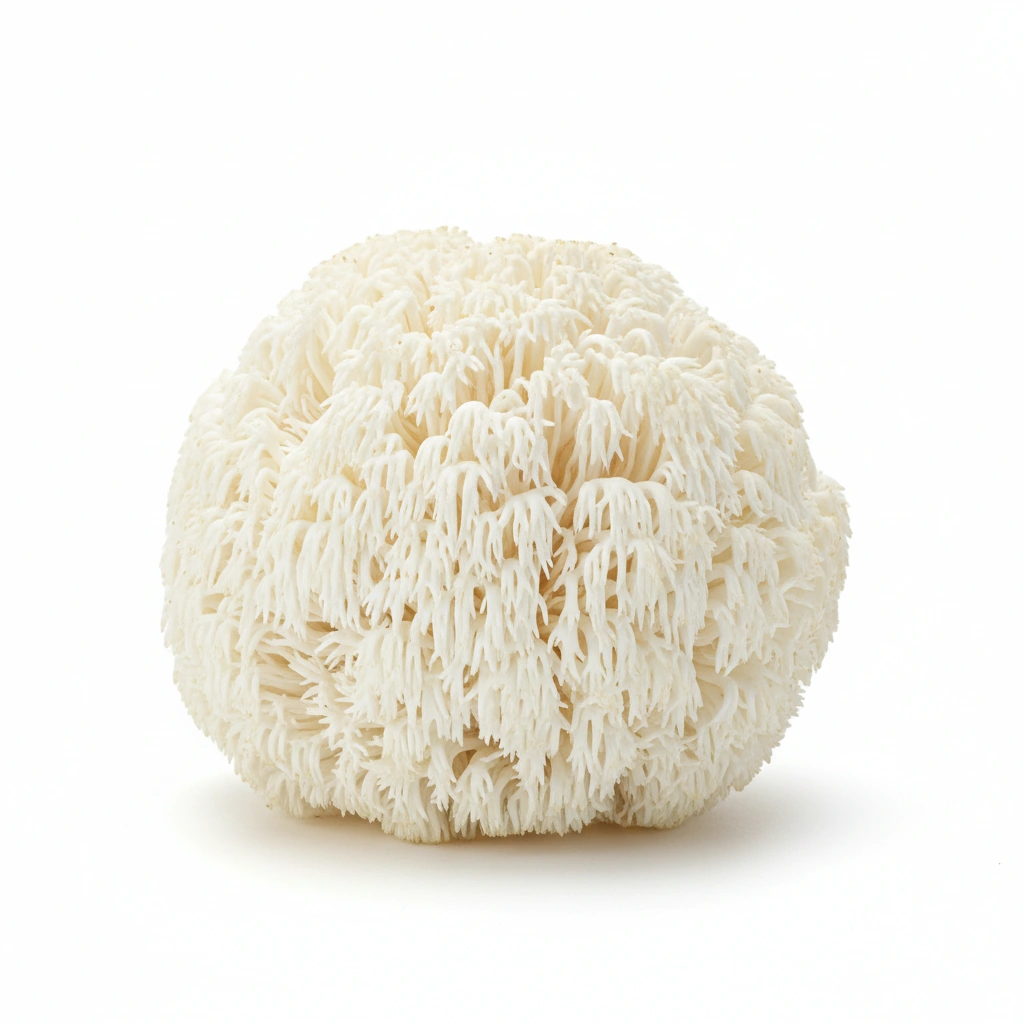
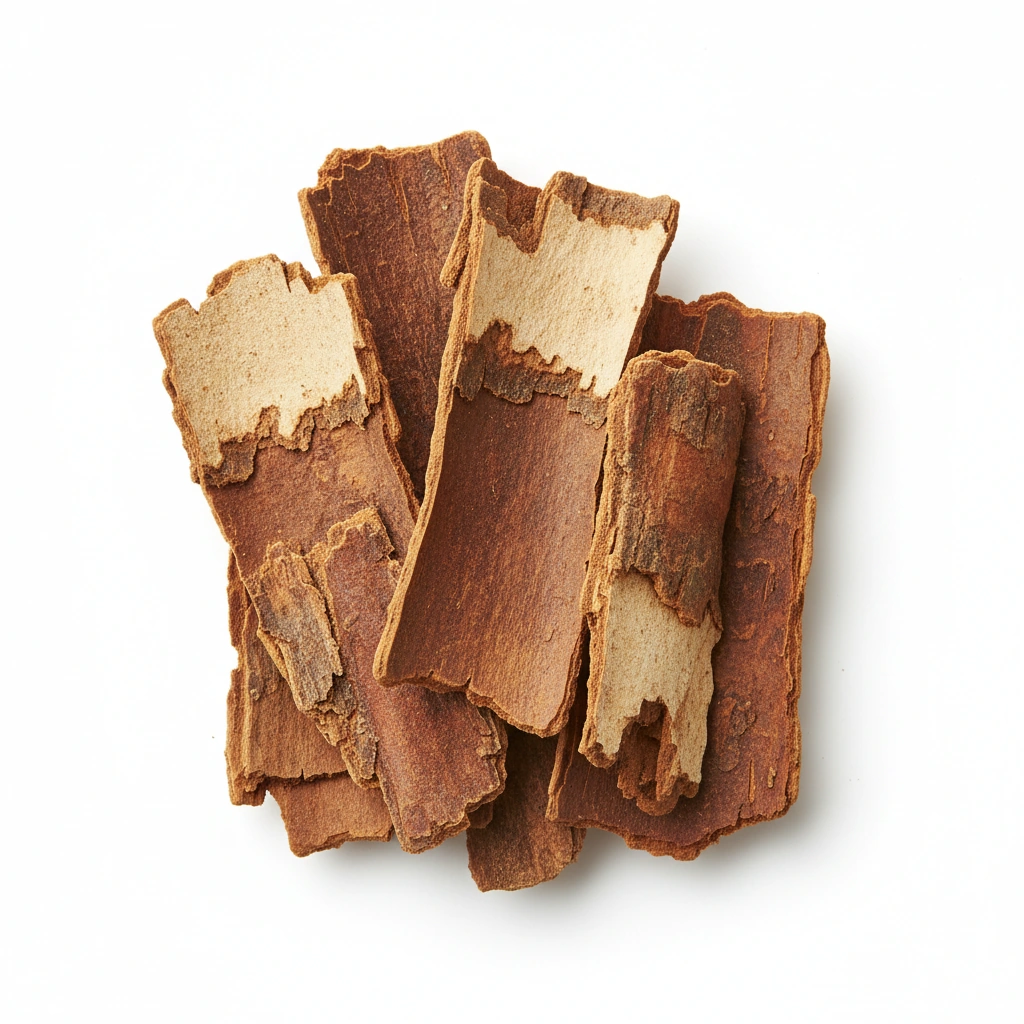
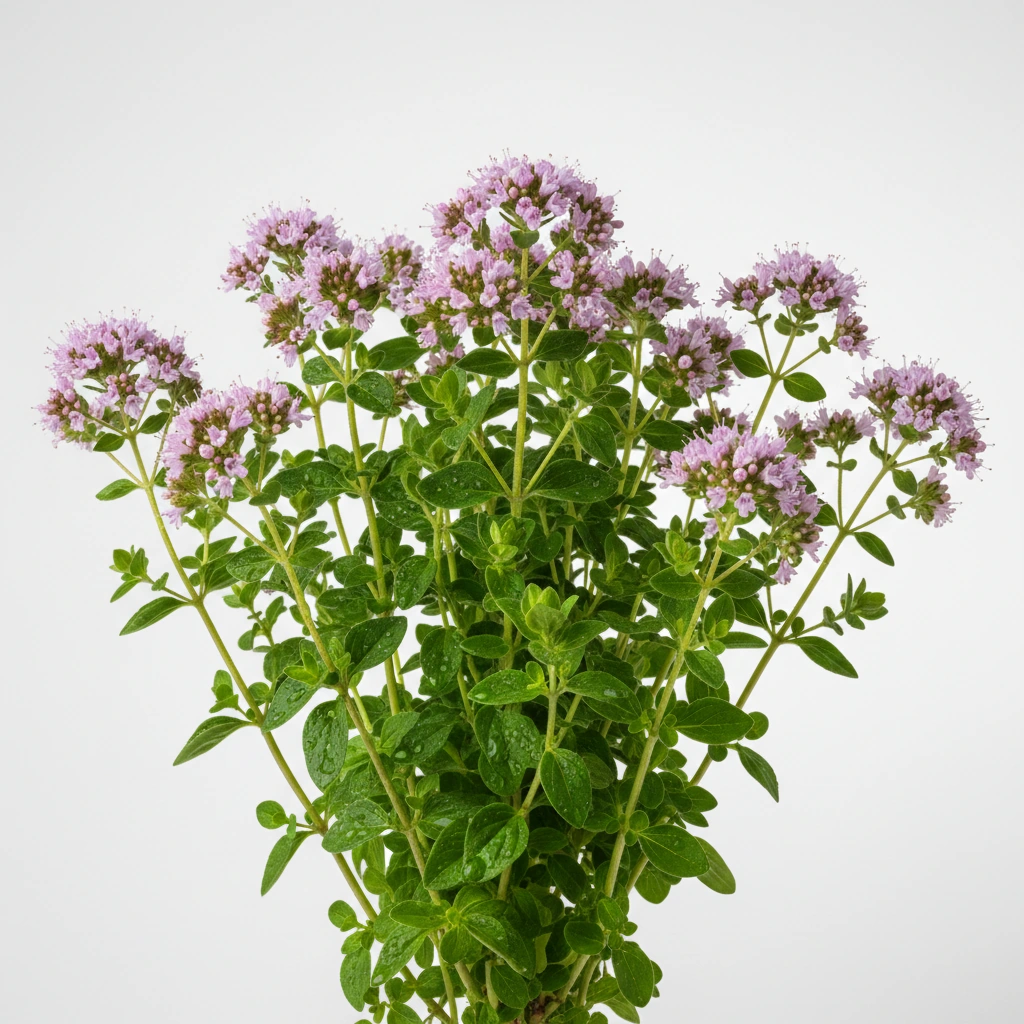
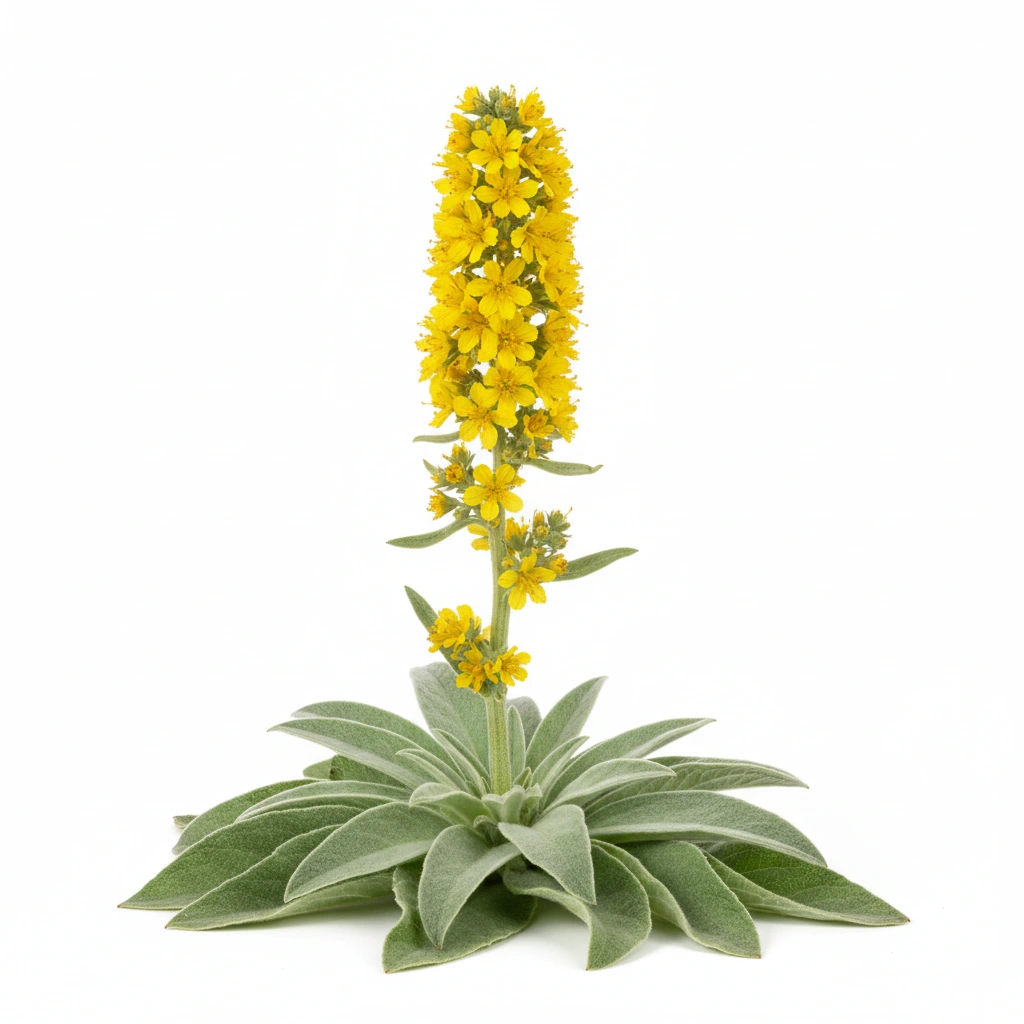
Product Image: For visualization purposes only. All ingredients are supplied as raw materials in bulk form. Available in Botanical Ingredient form.
Cinnamomum cassia bark powder is a potent botanical ingredient renowned for its robust flavor and significant health benefits, particularly in supporting healthy glucose metabolism and providing antioxidant defense. Rich in cinnamaldehyde and polyphenols, it is widely utilized in dietary supplements to promote metabolic well-being, aid digestive health, and leverage its natural anti-inflammatory properties, making it a cornerstone for comprehensive wellness formulations.
Cinnamomum cassia, commonly known as Cassia Cinnamon or Chinese Cinnamon, is a widely recognized spice derived from the dried inner bark of the Cinnamomum cassia tree, native to China and Vietnam. Unlike Ceylon cinnamon (Cinnamomum verum), Cassia cinnamon is characterized by its thicker, coarser bark and more pungent, robust flavor profile, attributed to its higher concentration of cinnamaldehyde. Historically, it has been used for millennia in traditional Chinese medicine and Ayurvedic practices for its warming properties and broad spectrum of health-promoting effects. The bark undergoes a meticulous harvesting and drying process, often ground into a fine powder, making it a versatile ingredient in both culinary and nutraceutical applications. Its distinct aroma and taste are integral to its appeal, while its rich phytochemical composition underpins its therapeutic potential, making it a staple in global health traditions.
The health benefits of Cinnamomum cassia are primarily attributed to its potent array of bioactive compounds, chief among them cinnamaldehyde, which constitutes up to 90% of its essential oil. This aldehyde, alongside other constituents like cinnamic acid, coumarin, and various polyphenols and flavonoids, exerts significant antioxidant and anti-inflammatory effects. Research indicates that cinnamon can influence glucose metabolism, with studies suggesting its potential to improve insulin sensitivity and support healthy blood sugar levels, particularly in the context of dietary glucose challenges. For instance, a meta-analysis published in *Diabetes Care* highlighted cinnamon's role in moderating fasting blood glucose and HbA1c. Its compounds also demonstrate antimicrobial properties, inhibiting the growth of certain bacteria and fungi, which contributes to its traditional use in preserving foods and supporting digestive health. These multifaceted mechanisms underscore its utility as a functional ingredient.
Cinnamomum cassia bark powder is a highly versatile ingredient in supplement formulations, often incorporated into products targeting metabolic support, digestive health, and antioxidant defense. It is commonly found in capsules, tablets, and functional food blends, frequently paired with ingredients like alpha-lipoic acid or chromium picolinate to amplify its metabolic benefits. Quality considerations are paramount; suppliers should ensure standardized cinnamaldehyde content and provide certificates of analysis confirming purity and absence of contaminants, especially heavy metals and excessive coumarin levels, which are naturally present in Cassia cinnamon. Extensive preclinical and clinical research continues to explore its efficacy, with emerging studies investigating its potential impact on cognitive function and cardiovascular markers. The vast body of traditional knowledge, coupled with modern scientific validation, solidifies Cinnamomum cassia as a valuable and evidence-backed ingredient for diverse health applications.
Discover more ingredients that complement your selection