In Stock
JCI-276
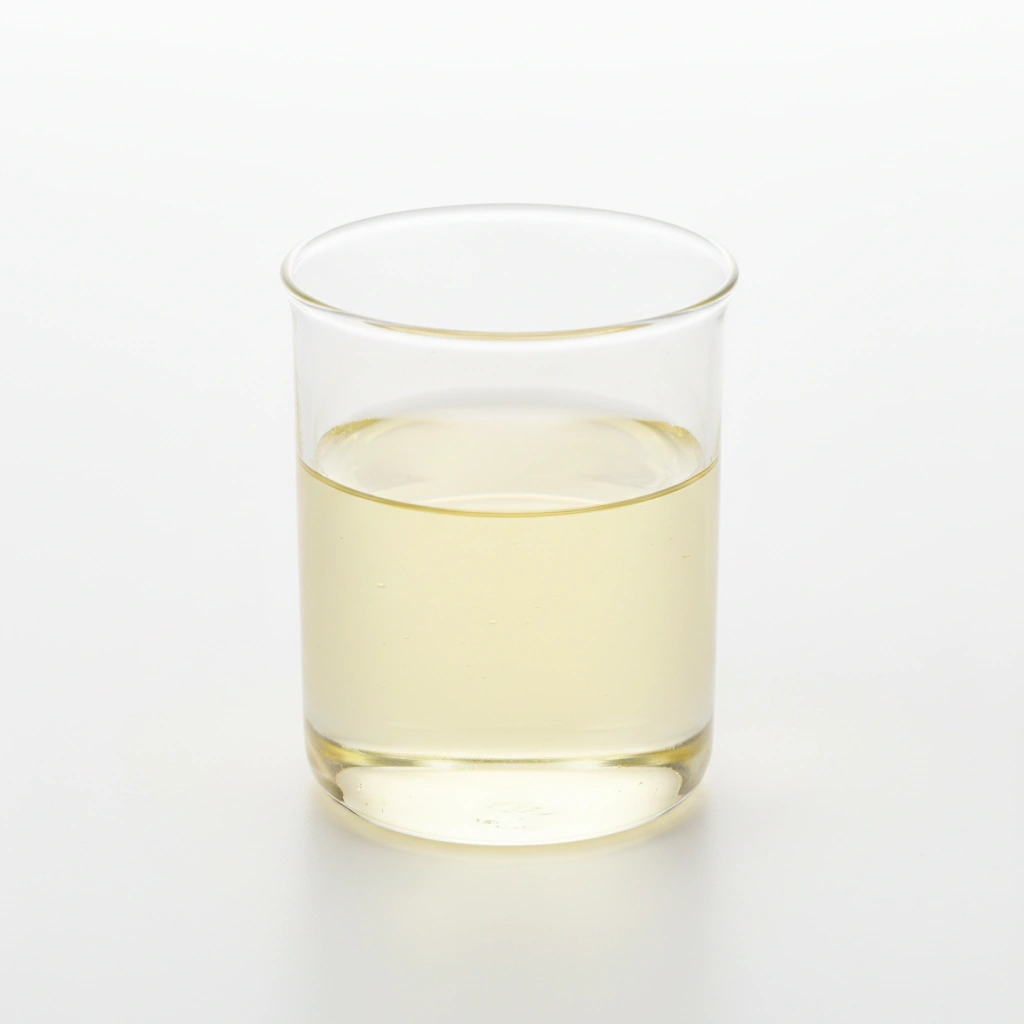
Product Image: For visualization purposes only. All ingredients are supplied as raw materials in bulk form. Available in NON-FOOD Ingredient form.
Polysorbate 20 is a versatile nonionic surfactant and emulsifier, derived from lauric acid and sorbitol, crucial for stabilizing oil-in-water formulations. It significantly enhances the solubility and dispersibility of lipophilic active ingredients, such as fat-soluble vitamins and essential oils, thereby improving their bioavailability and ensuring consistent product efficacy. Widely used in liquid supplements and softgels, it is a key excipient for creating stable, homogeneous, and effective nutritional products.
Polysorbate 20, chemically known as polyoxyethylene (20) sorbitan monolaurate, is a nonionic surfactant and emulsifier widely employed across the pharmaceutical, food, and cosmetic industries. Derived from lauric acid, a fatty acid typically sourced from coconut oil, and sorbitol, it undergoes ethoxylation to achieve its distinctive amphiphilic properties. This allows it to effectively bridge oil and water phases, creating stable emulsions and dispersions. Its clear to yellowish, viscous liquid form makes it a versatile ingredient for numerous formulations. As an excipient, Polysorbate 20 is valued for its ability to reduce surface tension between immiscible liquids, thereby enabling the uniform distribution of components that would otherwise separate. Its non-irritating and low-toxicity profile, supported by extensive safety assessments, underpins its broad acceptance and regulatory approval globally, including its status as generally recognized as safe (GRAS) by the U.S. FDA for specific food applications.
The primary function of Polysorbate 20 in supplement formulations is its robust capacity as a solubilizer and emulsifier. It facilitates the incorporation of lipophilic active compounds, such as fat-soluble vitamins (A, D, E, K), essential oils, and certain botanical extracts, into aqueous systems. This is achieved through the formation of micelles, nanoscale aggregates where the hydrophobic tails of Polysorbate 20 encapsulate lipophilic molecules, presenting a hydrophilic exterior to the surrounding water. This micellization mechanism significantly enhances the apparent solubility and dispersibility of poorly water-soluble ingredients, which is critical for ensuring consistent dosing and potentially improving the bioavailability of these active components upon ingestion. Research into excipient functionality, such as studies published in the "Journal of Pharmaceutical Sciences," consistently highlights how nonionic surfactants like Polysorbate 20 play a pivotal role in optimizing drug and nutrient delivery by overcoming solubility and permeability barriers in the gastrointestinal tract, thus maximizing therapeutic or nutritional efficacy.
Polysorbate 20 finds extensive application in liquid supplements, softgel preparations, and topical formulations where stable emulsions and enhanced solubilization are paramount. Its inclusion ensures product homogeneity, prevents phase separation, and contributes to a consistent user experience. From a quality assurance perspective, sourcing high-purity Polysorbate 20 is crucial, with specifications typically adhering to pharmacopeial standards such as USP/NF (United States Pharmacopeia/National Formulary) or FCC (Food Chemicals Codex). Rigorous testing is essential to confirm the absence of impurities like ethylene oxide and 1,4-dioxane, residual by-products from the ethoxylation process, ensuring compliance with strict regulatory guidelines. Decades of toxicological studies and clinical use have established its safety profile, making it a reliable choice for formulators. Its proven track record in enhancing the stability and shelf-life of complex formulations contributes significantly to maintaining the integrity and efficacy of the final product throughout its intended lifespan, reinforcing its value as a foundational excipient in modern supplement manufacturing.
Discover more ingredients that complement your selection