In Stock
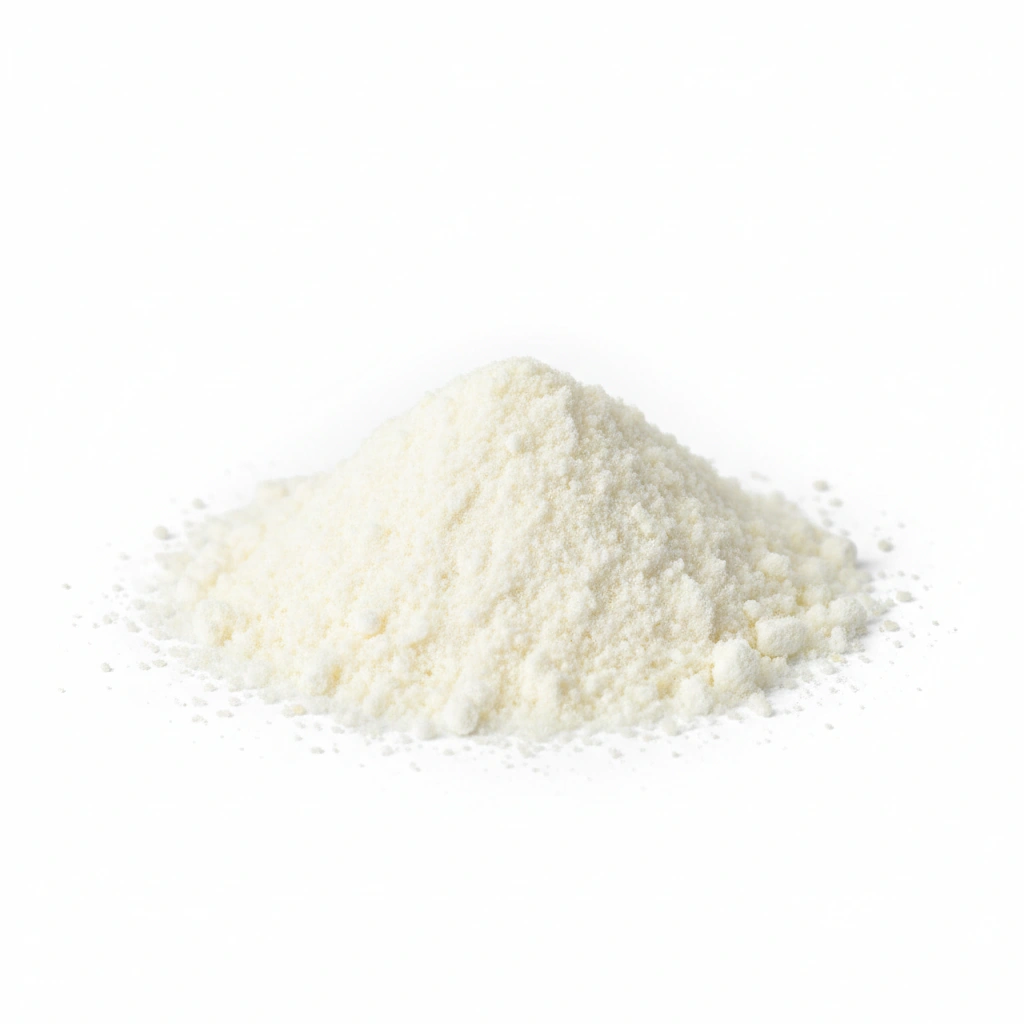
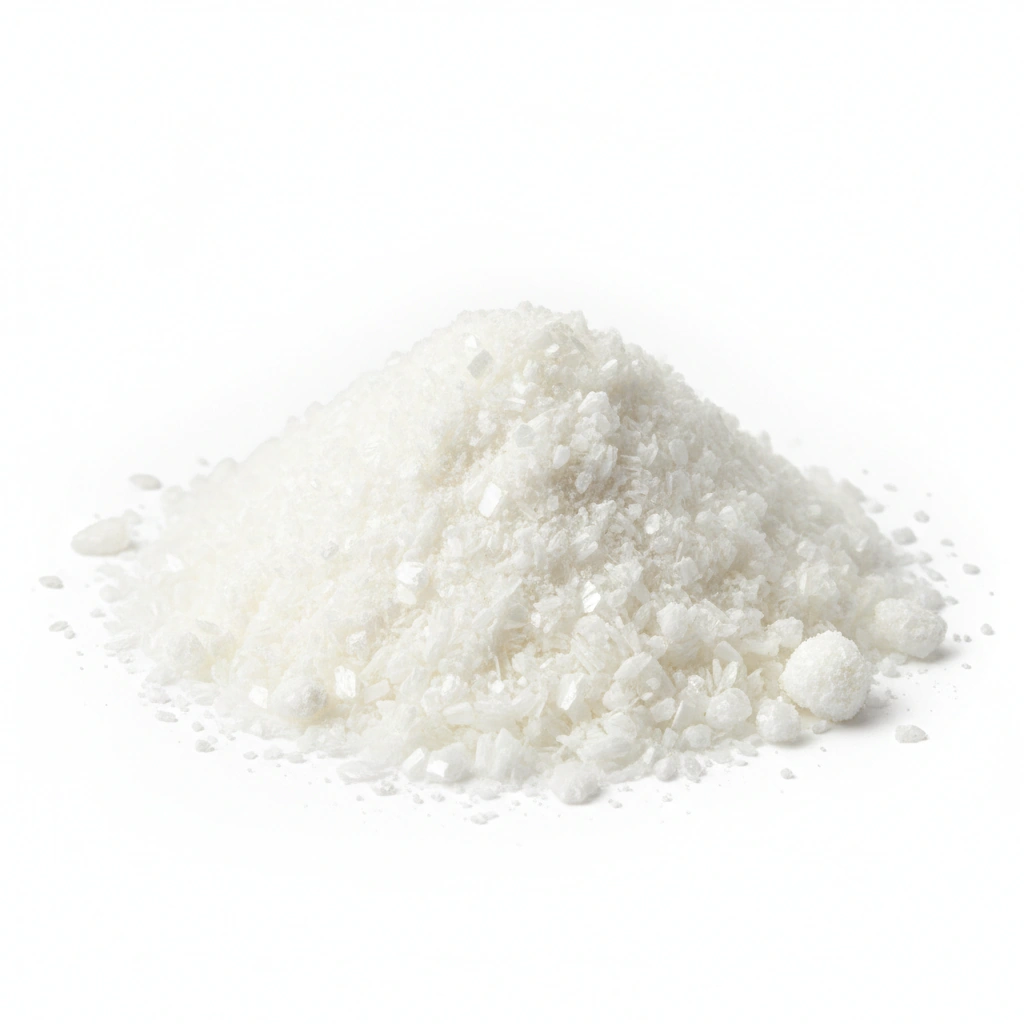
Product Image: For visualization purposes only. All ingredients are supplied as raw materials in bulk form. Available in NON-FOOD Ingredient form.
Kojic Acid is a naturally derived organic acid celebrated for its potent skin-brightening capabilities. It effectively reduces hyperpigmentation, such as dark spots and melasma, by inhibiting tyrosinase, the enzyme responsible for melanin production. This ingredient is a cornerstone in advanced cosmetic formulations aimed at achieving a more even and radiant complexion, leveraging its scientifically-backed mechanism of action to deliver visible results.
Kojic Acid is a naturally occurring organic acid primarily derived from several species of fungi, most notably Aspergillus oryzae, commonly known as koji mold. This compound is a byproduct of the fermentation process used in traditional East Asian foods and beverages, such as sake, soy sauce, and miso. Historically, its skin-lightening properties were anecdotally observed by sake brewers, who often exhibited noticeably fairer hands compared to other parts of their bodies. Chemically, Kojic Acid is a hydrophilic molecule with a unique structure that allows it to interact effectively with biological systems. Its crystalline powder form is highly valued in the cosmetic and dermatological industries for its specific biochemical actions, particularly in addressing various forms of hyperpigmentation. The purity and stability of Kojic Acid are paramount for its efficacy and safety in topical formulations, requiring careful sourcing and manufacturing to prevent degradation.
The primary health benefit of Kojic Acid is its remarkable ability to mitigate hyperpigmentation and promote a more even skin tone. This effect is largely attributed to its potent inhibitory action on tyrosinase, a key enzyme involved in the biosynthesis of melanin. Melanin is the pigment responsible for skin, hair, and eye color, and its overproduction leads to conditions like melasma, sun spots, and post-inflammatory hyperpigmentation. Kojic Acid works by chelating copper ions at the active site of tyrosinase, effectively blocking its enzymatic activity and thereby reducing the formation of melanin. Research, such as studies published in the Journal of Cosmetic Dermatology, has consistently demonstrated its efficacy in vitro and in vivo. This mechanism differentiates it from exfoliants, providing a direct targeted approach to pigment reduction. Furthermore, Kojic Acid also exhibits some antioxidant properties, which can help protect skin cells from oxidative stress, a factor known to exacerbate pigmentary issues, contributing to its comprehensive dermatological utility.
Kojic Acid is widely incorporated into a variety of dermatological and cosmetic formulations, including creams, serums, lotions, and soaps, typically at concentrations ranging from 1% to 4%. Its effectiveness is often enhanced when combined with other skin-brightening agents such as alpha arbutin, vitamin C (ascorbic acid), and glycolic acid, which may act synergistically to target different pathways of melanin production or improve product penetration. Formulators must consider Kojic Acid's inherent instability, as it can oxidize and lose efficacy, especially when exposed to light and air; encapsulation or the inclusion of stabilizing agents like tocopherol are common strategies to maintain product integrity. Clinical trials have affirmed its role in improving skin texture and reducing visible pigmentation, with studies often comparing its efficacy and safety profile to established depigmenting agents. While generally well-tolerated, patch testing is advisable, and adherence to recommended concentrations is crucial for optimal results and to minimize potential irritation. Its established track record and scientific backing make it a cornerstone ingredient in advanced skin-brightening solutions.