In Stock
LCT000P
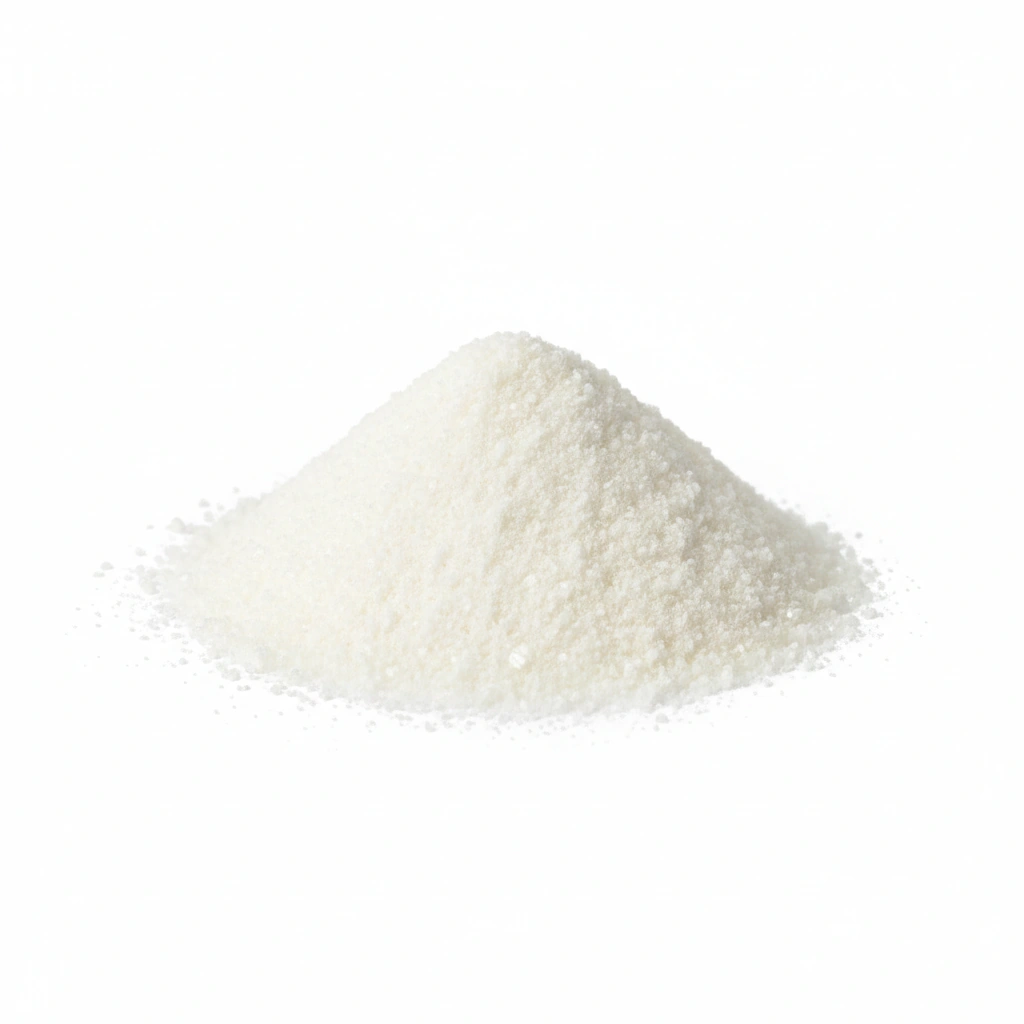
Product Image: For visualization purposes only. All ingredients are supplied as raw materials in bulk form. Available in Other Dietary Claim Ingredient form.
Palmitoylethanolamide (PEA) is an endogenous fatty acid amide renowned for its significant anti-inflammatory and pain-modulating properties. It supports cellular homeostasis and neuronal health by interacting with the peroxisome proliferator-activated receptor alpha (PPAR-α) and indirectly modulating the endocannabinoid system. Ideal for formulations targeting chronic pain, inflammation, and neurological well-being, PEA offers a well-researched, safe, and effective natural compound with broad therapeutic potential.
Palmitoylethanolamide (PEA) is an endogenous fatty acid amide, naturally produced within the body and found in various food sources such as egg yolk, peanuts, and soy lecithin. First identified in the 1950s, PEA is a lipid mediator belonging to the N-acylethanolamine family, closely related to the endocannabinoid anandamide. It plays a crucial role in cellular homeostasis and is synthesized on demand in response to physiological stressors, including inflammation and tissue damage. As a supplement ingredient, PEA is typically offered as a fine, stable powder, allowing for versatile incorporation into numerous formulations. Its innate presence in biological systems underscores its fundamental role in maintaining cellular balance and modulating physiological responses, positioning it as a compelling compound for targeted nutritional support. The understanding of its origin and natural function provides a strong foundation for its application in health and wellness products.
The primary health benefits of PEA stem from its potent anti-inflammatory and analgesic properties, mediated through unique cellular mechanisms. PEA primarily acts as an autacoid, interacting with the peroxisome proliferator-activated receptor alpha (PPAR-α), a nuclear receptor involved in lipid metabolism and inflammation. This interaction helps to downregulate pro-inflammatory pathways and modulate immune cell activity. Furthermore, PEA exerts its effects indirectly on the endocannabinoid system by inhibiting the enzyme fatty acid amide hydrolase (FAAH), which breaks down endocannabinoids like anandamide. This "entourage effect" elevates endogenous anandamide levels, enhancing its beneficial actions without directly binding to CB1 or CB2 receptors, thus avoiding psychotropic effects. Clinical research, including studies reviewed by Skaper et al. (2014), consistently demonstrates PEA's efficacy in alleviating various forms of chronic and neuropathic pain, as well as reducing inflammatory responses across diverse conditions, highlighting its broad therapeutic potential.
In supplement formulations, PEA is highly valued for its safety profile and versatile applications, particularly in products aimed at pain management, inflammatory support, and neurological health. For optimal bioavailability, PEA is often processed into micronized or ultra-micronized powder forms, which significantly enhances absorption and therapeutic efficacy, as demonstrated in pharmacokinetic studies. Manufacturers prioritize high-purity PEA, often requiring third-party testing to ensure freedom from contaminants and accurate potency. Extensive clinical evidence, including meta-analyses by Artukoglu et al. (2017) and Paladini et al. (2016), supports PEA's role in improving quality of life for individuals suffering from conditions such as sciatica, diabetic neuropathy, and osteoarthritis. It can be formulated into capsules, tablets, or powdered blends, and is frequently combined with complementary ingredients like omega-3 fatty acids or curcumin for synergistic effects. This robust scientific backing solidifies PEA's position as a premium ingredient for evidence-based health solutions.
Discover more ingredients that complement your selection