In Stock
STV090S
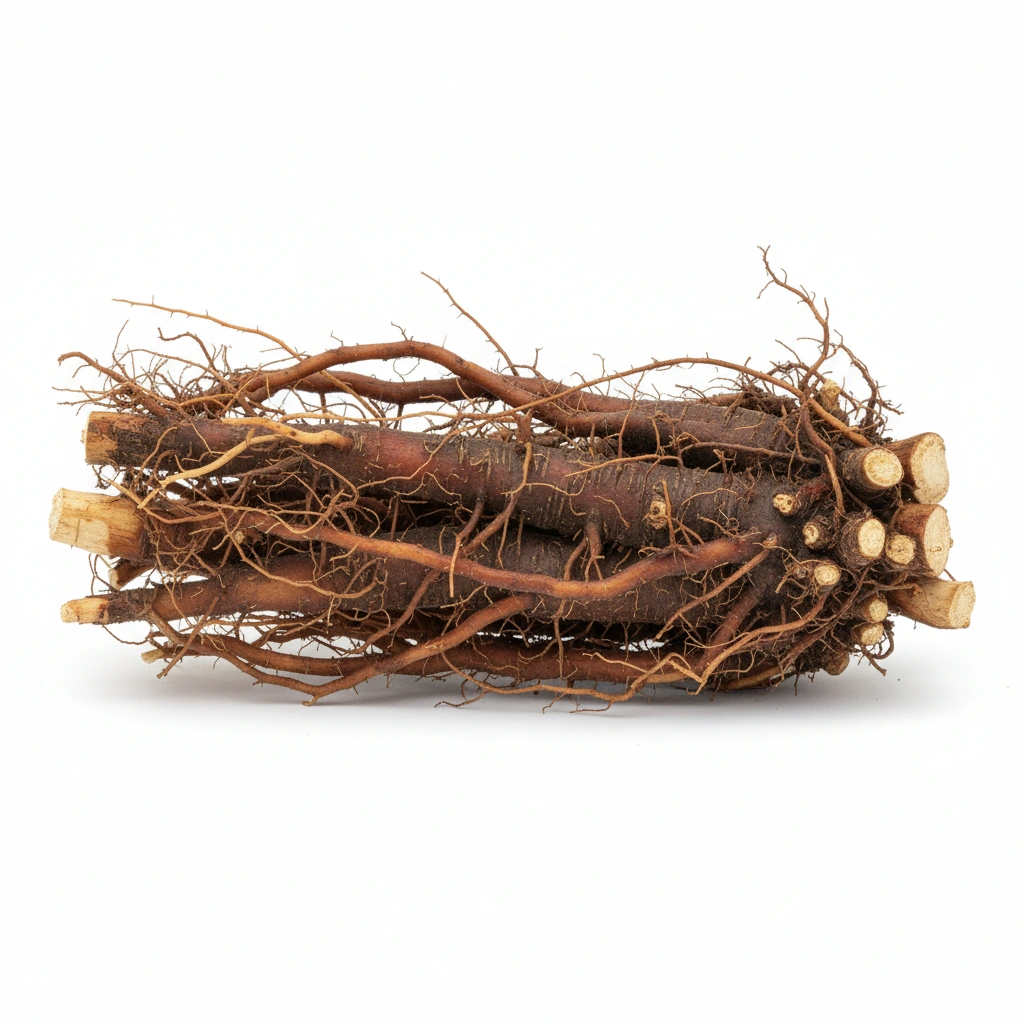
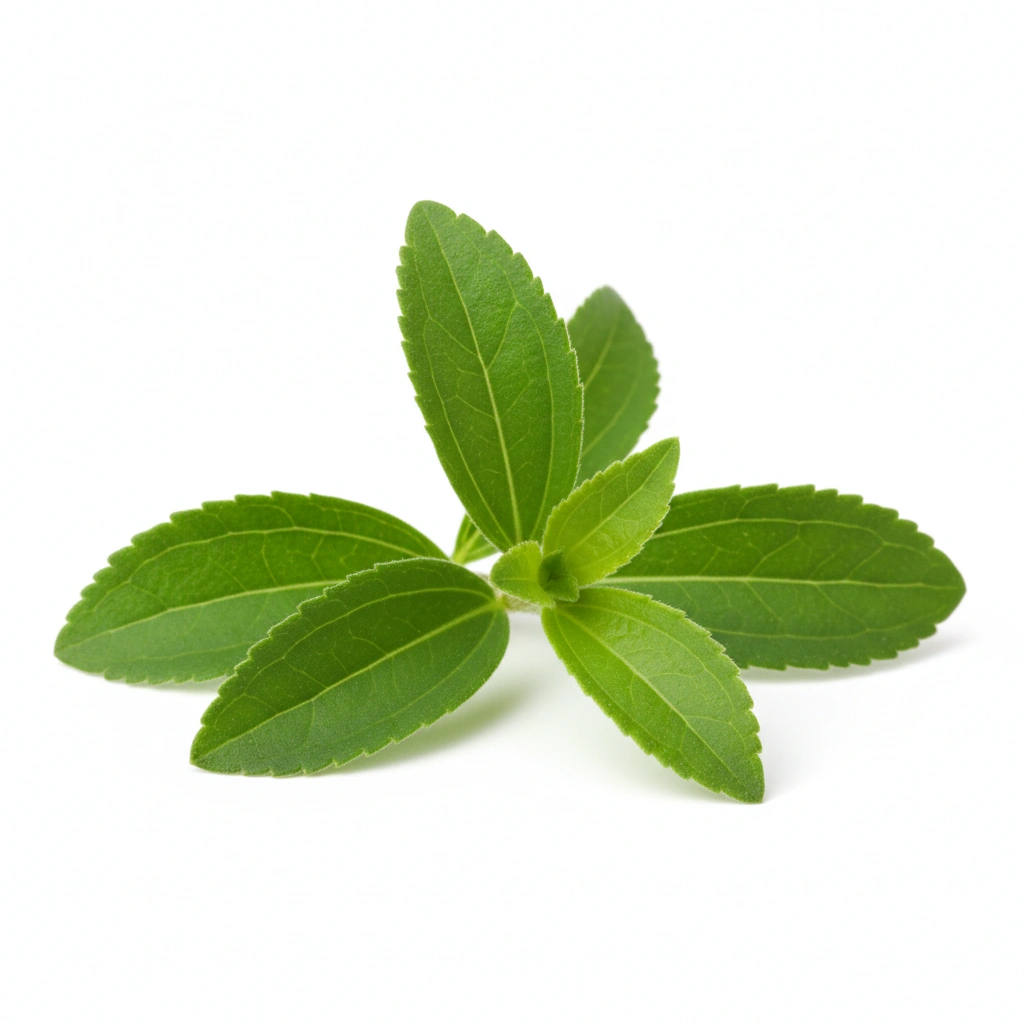
Product Image: For visualization purposes only. All ingredients are supplied as raw materials in bulk form. Available in Botanical Ingredient form.
Red Root Powder, derived from Ceanothus americanus, is a traditional botanical celebrated for its comprehensive support of the lymphatic and respiratory systems. Rich in triterpenoid saponins, alkaloids, and flavonoids, it aids in healthy immune function, promotes detoxification, and helps maintain clear respiratory passages, making it ideal for targeted wellness formulations.
Red Root Powder, derived from the root of Ceanothus americanus, is a botanical ingredient deeply rooted in North American ethnobotanical traditions. Often referred to as New Jersey Tea due to its historical use as a tea substitute during the American Revolutionary War, this deciduous shrub is native to the eastern and central United States and Canada. The root, known for its distinctive reddish hue and a slightly bitter, astringent taste, is meticulously harvested and processed into a fine powder, preserving its natural constituents. Ceanothus americanus thrives in dry, open woodlands and prairies, and its robust root system is the repository of its potent bioactive compounds. Traditional indigenous practices have long valued Red Root for its diverse applications, particularly in supporting various bodily systems. This ingredient offers a unique profile for contemporary supplement formulations, bridging historical wisdom with modern health needs.
The therapeutic potential of Red Root is largely attributed to its rich array of phytochemicals, including triterpenoid saponins, various alkaloids (such as ceanothine A and B), tannins, and flavonoids. These compounds collectively contribute to its proposed mechanisms of action, particularly in supporting lymphatic and respiratory health. Research suggests that the triterpenoid saponins may exert expectorant properties, aiding in the clearance of respiratory passages, while the tannins contribute to its astringent effects, which can be beneficial for mucous membranes. Historically, Red Root has been employed to address conditions involving lymphatic congestion, swollen glands, and respiratory discomfort. Its ability to support lymphatic drainage is crucial for immune system function and detoxification pathways, making it a valuable component in holistic health protocols. Emerging studies are exploring the anti-inflammatory potential of its constituents, aligning with traditional uses for reducing systemic inflammation.
Red Root Powder is increasingly incorporated into modern supplement formulations designed for immune support, respiratory wellness, and lymphatic system optimization. It is commonly found in capsules, herbal teas, liquid extracts, and tinctures, often synergistically combined with other botanicals like Echinacea, Calendula, or Cleavers to enhance its effects. For manufacturers, sourcing high-quality Red Root Powder is paramount, ensuring purity, potency, and absence of contaminants. Analytical testing for active compounds like saponins and alkaloids can verify ingredient integrity. While extensive randomized controlled trials on human subjects are still developing, a substantial body of traditional evidence and in-vitro/in-vivo studies supports the biological activities of its constituent compounds. For instance, preclinical studies have investigated its potential antispasmodic and anti-inflammatory effects, providing a scientific basis for its historical applications in respiratory and lymphatic health. This blend of traditional efficacy and scientific exploration positions Red Root as a compelling ingredient for targeted health solutions.
Discover more ingredients that complement your selection